Công ty TNHH Innoflow NT
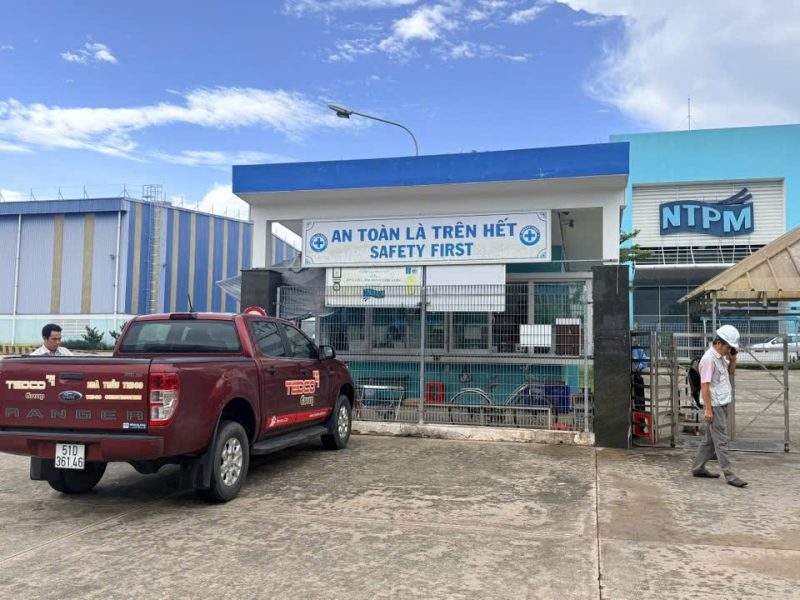
Tedco cung cấp và lắp đặt tủ báo cháy Horing cho Công ty TNHH Innoflow NT
Hạng Mục: Cung cấp lắp đặt tủ điện
Vị Trí: Lô đất KT-BB, KCN Du Long, Xã Thuận Bắc, Tỉnh Khánh Hòa
Lĩnh vực: Đồ chơi, thú nhồi bông, phụ kiện trẻ em
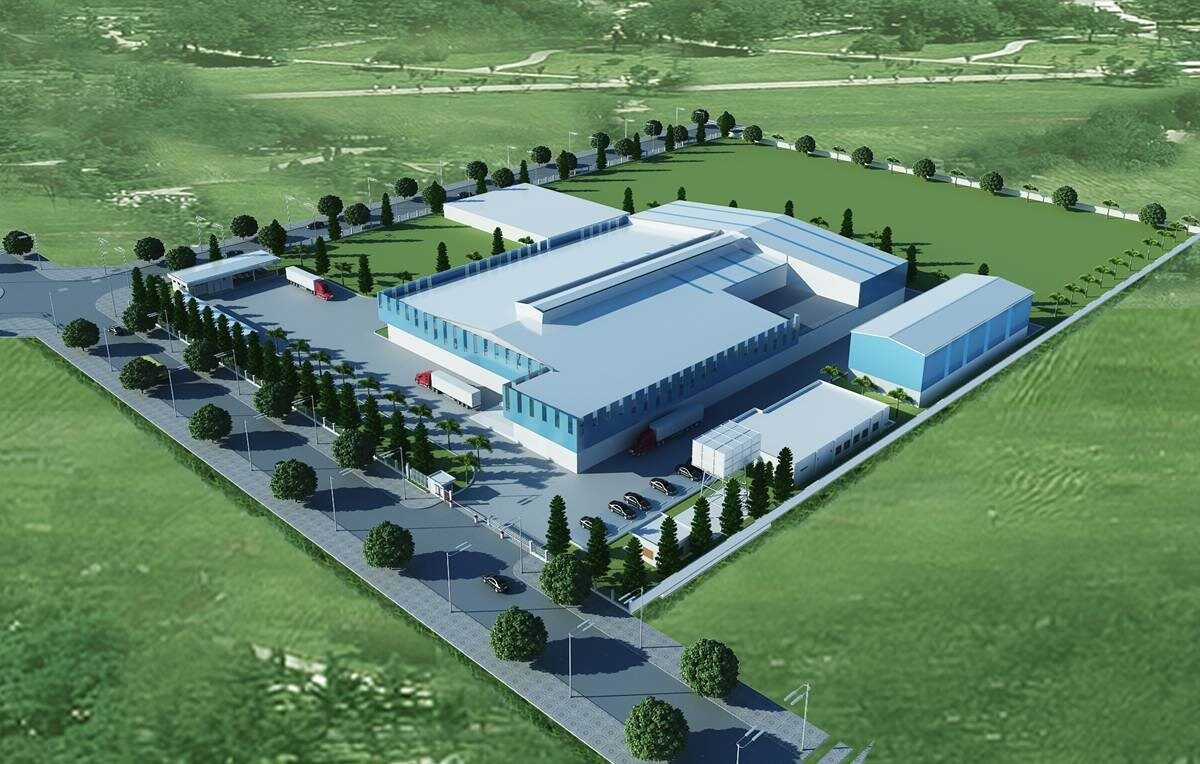
Là doanh nghiệp sản xuất đồ chơi trẻ em, thú nhồi bông và các sản phẩm liên quan, với nhà máy tại KCN Du Long. Đây là một cơ sở sản xuất công nghiệp tương đối lớn, có hệ thống nhà xưởng và dây chuyền sản xuất riêng







Top Benefits of Choosing a Certified Electrician Company
Top Benefits of Choosing a Certified Electrician Company
When it comes to electrical work, whether it’s a small repair or a major installation, the importance of choosing a certified electrician company cannot be overstated. Electrical systems are complex, and any mistakes can lead to safety hazards, costly repairs, or inefficient energy use. Opting for a certified company ensures that the work is carried out to the highest standards. Below are the top benefits of choosing a certified electrician company for your electrical needs.
1. Expertise and Training
A certified electrician company employs highly trained professionals who possess the knowledge and skills to handle various types of electrical issues. Certification is a clear indicator that the electricians have undergone rigorous training and testing to meet industry standards. This means that when you hire a certified company, you can trust that the work will be done safely and efficiently.
Certified electricians are also familiar with the latest technologies and industry trends. They can provide expert advice on energy-efficient solutions, smart home installations, and other modern electrical systems that can enhance your home or business.
2. Guaranteed Safety
One of the most important reasons to hire a certified electrician company is the assurance of safety. Electrical work, if not done correctly, can result in dangerous outcomes such as electrical shocks, fires, or equipment damage. Certified electricians follow strict safety guidelines and protocols, ensuring that all work is performed in compliance with local and national safety codes.
This attention to safety not only protects your property but also safeguards the well-being of your family or employees. Certified electricians are trained to identify potential hazards and correct them before they escalate into more serious issues.
3. Compliance with Regulations and Codes
Electrical work is heavily regulated to ensure safety and functionality. A certified electrician company is well-versed in these regulations and ensures that all work performed complies with the latest local, state, and national codes. This compliance is essential for several reasons: it protects you from legal issues, ensures your property’s safety, and prevents problems if you ever plan to sell your home or business.
Non-compliance with electrical codes can lead to fines or failed inspections, especially during property transactions. Hiring a certified company ensures that your electrical systems meet all the legal requirements, avoiding any future complications.
4. Reliable and Long-Lasting Solutions
When you hire a certified electrician company, you are guaranteed high-quality workmanship. Certified professionals use the right tools, materials, and techniques to ensure that the job is done correctly the first time. This level of expertise results in reliable, long-lasting electrical solutions that minimize the need for future repairs or adjustments.
Whether it’s wiring, installing fixtures, or upgrading an electrical panel, certified electricians take the time to ensure everything is functioning optimally. This reduces the risk of malfunctions and prolongs the life of your electrical systems.
5. Insurance and Warranty Protection
A certified electrician company typically offers insurance coverage and warranties for their services. This means that in the unlikely event of a problem arising after the job is completed, you are protected. Most certified companies provide warranties on both parts and labor, giving you peace of mind knowing that any issues will be addressed at no additional cost.
Additionally, certified companies carry liability insurance, which protects you from financial losses if there are any accidents or damages during the project. This insurance coverage is a critical safeguard, particularly for larger or more complex electrical projects.
6. Access to the Latest Technology and Tools
Certified electrician companies invest in the latest tools, equipment, and technology to ensure the highest level of service. This means that they are equipped to handle even the most advanced and complex electrical projects, including smart home installations, renewable energy systems, and advanced lighting solutions.
Having access to cutting-edge technology allows certified electricians to work more efficiently, reducing the time and cost associated with the project. It also ensures that the solutions provided are in line with the latest industry standards and innovations.
7. Efficient Troubleshooting and Problem-Solving
One of the key benefits of hiring a certified electrician company is their ability to troubleshoot effectively. Electrical issues can sometimes be tricky to diagnose, but certified professionals have the experience and training to identify problems quickly and offer the most efficient solutions.
Their expertise in diagnosing issues means that you won’t have to deal with prolonged disruptions or ongoing electrical problems. Whether it’s flickering lights, faulty wiring, or power outages, certified electricians can resolve the issue in a timely and effective manner.
8. Time and Cost Savings
While some may attempt DIY electrical work to save money, this often leads to mistakes that require costly repairs down the road. By hiring a certified electrician company, you can avoid these costly errors. Certified electricians work efficiently and get the job done right the first time, saving you both time and money in the long term.
Their familiarity with various electrical systems also means that they can complete projects faster than an inexperienced person would, reducing the time spent on-site and minimizing disruption to your home or business.
9. Customer Satisfaction and Peace of Mind
Hiring a certified electrician company ensures that you receive a high level of customer service. Certified companies are held to a higher standard of professionalism and accountability, meaning they are more likely to prioritize customer satisfaction. They communicate clearly, work efficiently, and ensure that all aspects of the job meet your expectations.
Knowing that the work has been carried out by licensed and certified professionals also gives you peace of mind. You can trust that your electrical systems are safe, reliable, and up to code, allowing you to focus on other aspects of your life or business without worry.
10. Long-Term Maintenance and Support
Certified electrician companies often provide long-term maintenance services, helping you keep your electrical systems in top condition. This ongoing support ensures that any potential issues are caught early, preventing more costly repairs down the road. Regular maintenance also extends the lifespan of your electrical systems, ensuring they continue to operate efficiently and safely for years to come.
*Conclusion
Choosing a certified electrician company offers numerous advantages, from ensuring safety and compliance to providing reliable, long-lasting solutions. With their expertise, high-quality workmanship, and commitment to customer satisfaction, certified electricians offer a valuable investment in your property’s electrical systems. Whether it’s a small repair or a large-scale project, hiring a certified company is essential for peace of mind, cost savings, and superior results.
– Additionally, on April 21, 2024, Tedco Vietnam Joint Stock Company was honored to receive the “National Strong Brand 2024” award, organized by the Anti-Counterfeiting and Brand Protection Association and the Anti-Counterfeiting Center at the Ho Chi Minh City Military Theater.

For further information, please contact:
Hotline: 093 630 7187
Công ty Cổ Phần TEDCO Việt Nam
Office: 18 Đường số 2, Phường Linh Chiểu, Quận Thủ Đức, TPHCM
Factory: 276/4 Trần Hưng Đạo, Phường Đông Hoà, Thị Xã Dĩ An, Tỉnh Bình Dương.
CN Hà Nội: Số 2.11 khu Vườn Đào X2, Uy Nỗ, Đông Anh, Hà Nội
Web: tedco.com.vn | nhathaudien.vn | mangcap.vn
Email: tedcogroup@gmail.com | info@tedco.com.vn
Written by: Phạm Đăng Khoa

Why Hiring a Professional Electrician Company is Essential for Your Home
Why Hiring a Professional Electrician Company is Essential for Your Home
When it comes to maintaining or upgrading your home’s electrical system, the importance of hiring a professional electrician company cannot be overstated. Electrical work is not only complex, but it also carries significant risks if handled incorrectly. From ensuring safety to providing high-quality, long-lasting results, there are many reasons why a professional electrician company is essential for your home.

1. Safety is the Top Priority
One of the primary reasons to hire a professional electrician company is safety. Electrical work, when not done correctly, can pose serious hazards such as electric shocks, short circuits, or even house fires. Professionals have the expertise to follow safety protocols and ensure that all installations and repairs are compliant with industry standards. By trusting your home’s electrical needs to qualified electricians, you minimize the risk of accidents and protect both your property and your family.
2. Licensed and Experienced Electricians
Another benefit of working with a professional electrician company is that they employ licensed and experienced electricians who are trained to handle various types of electrical issues. Whether it’s wiring, panel upgrades, or installing new fixtures, these professionals have the knowledge and skills to get the job done correctly. Licensed electricians are also up-to-date with local building codes and regulations, ensuring that your electrical system meets all safety requirements.
Having experienced electricians on the job also means that they can quickly diagnose problems and offer effective solutions, saving you time and money in the long run.
3. Quality Work and Guaranteed Results

A professional electrician company guarantees the quality of its work. Reputable companies stand by their services and often offer warranties on labor and parts. This gives homeowners peace of mind knowing that the work performed is of high standard, and in case of any issues, they are covered by the company’s warranty.
Quality work also translates to long-term benefits. When electrical work is done right the first time, it reduces the likelihood of future issues, saving you the cost of repeated repairs. A professional company ensures that the job is not only done safely but also done well, leading to reliable and efficient electrical systems in your home.
4. Comprehensive Range of Services
Professional electrician companies offer a wide range of services, catering to various electrical needs, from minor repairs to major installations. Whether you are remodeling your home, installing new lighting systems, upgrading your electrical panel, or fixing faulty wiring, a professional electrician company can handle it all.
This comprehensive approach means that you can rely on one trusted company for all your electrical needs, ensuring consistency in service and the convenience of having experienced electricians who are familiar with your home’s electrical setup.
5. Saves Time and Reduces Stress
Hiring a professional electrician company not only ensures safety and quality but also saves time. Attempting to handle electrical work on your own can be time-consuming, especially if you don’t have the necessary skills or tools. By hiring professionals, you can free up your time for other important tasks while knowing that your electrical system is in capable hands.
Additionally, working with a professional company reduces stress. Electrical problems can be overwhelming, especially if they are causing significant disruptions in your home. A professional electrician can quickly assess the situation, provide solutions, and carry out repairs or installations efficiently, restoring normalcy to your home without the added stress of a DIY project.
6. Compliance with Building Codes and Regulations
Electrical work must comply with strict building codes and regulations to ensure safety and functionality. A professional electrician company is well-versed in these codes and ensures that all work is compliant with local laws. Whether it’s a small electrical upgrade or a large-scale renovation, professionals understand the importance of adhering to these standards, which helps avoid legal issues, fines, or problems when selling your home in the future.
7. Troubleshooting Expertise
Sometimes electrical problems are not easily identifiable, and they require expert troubleshooting to diagnose the root cause. A professional electrician company has the expertise to pinpoint issues that may not be obvious to the untrained eye. Whether it’s flickering lights, circuit breaker trips, or fluctuating power, experienced electricians can quickly identify the problem and offer effective solutions. This saves homeowners from unnecessary guesswork and prevents the risk of worsening the issue.
8. Long-Term Cost Savings
While some homeowners may be tempted to attempt electrical work on their own to save money, hiring a professional electrician company often leads to long-term cost savings. Poorly executed electrical work can result in frequent breakdowns, increased energy consumption, and potential safety hazards. By investing in professional services, you ensure that the job is done right, reducing the need for future repairs and lowering your home’s overall maintenance costs.
Additionally, professional electricians can recommend energy-efficient solutions, helping you save on electricity bills in the long run.
9. Emergency Services and Quick Response
Electrical emergencies can occur at any time, and when they do, it’s crucial to have access to reliable help. A professional electrician company typically offers emergency services, providing quick responses to urgent electrical issues. Whether it’s a sudden power outage, exposed wires, or malfunctioning outlets, having professionals available 24/7 ensures that you can resolve issues promptly, avoiding further damage or hazards.
*Conclusion
Hiring a professional electrician company is essential for ensuring the safety, efficiency, and longevity of your home’s electrical system. From providing expert solutions and troubleshooting to ensuring compliance with regulations and offering peace of mind through warranties, professional electricians are a valuable investment in your home’s well-being. Avoid the risks associated with DIY electrical work and trust the professionals to deliver high-quality, reliable, and safe electrical services.
For further information, please contact:
Hotline: 093 630 7187
Công ty Cổ Phần TEDCO Việt Nam
Office: 18 Đường số 2, Phường Linh Chiểu, Quận Thủ Đức, TPHCM
Factory: 276/4 Trần Hưng Đạo, Phường Đông Hoà, Thị Xã Dĩ An, Tỉnh Bình Dương.
CN Hà Nội: Số 2.11 khu Vườn Đào X2, Uy Nỗ, Đông Anh, Hà Nội
Web: tedco.com.vn | nhathaudien.vn | mangcap.vn
Email: tedcogroup@gmail.com | info@tedco.com.vn
Written by: Phạm Đăng Khoa

Best Practices for Successful Subcontractor Collaboration
Best Practices for Successful Subcontractor Collaboration
This article outlines the best practices for enhancing subcontractor collaboration, focusing on communication, defining roles, managing expectations, and fostering a collaborative working environment.
In the construction and manufacturing industries, successful project completion often hinges on effective collaboration between general contractors and subcontractors. Subcontractor collaboration plays a vital role in ensuring projects are completed on time, within budget, and according to specified standards. To maximize the benefits of this collaboration, both parties must foster clear communication, mutual respect, and a shared commitment to quality and efficiency.

1. Clear and Open Communication
The foundation of any successful subcontractor collaboration is open and transparent communication. From the start of the project, general contractors and subcontractors must establish clear channels of communication to ensure that everyone is aligned on objectives, timelines, and expectations. Miscommunication can lead to costly delays, rework, and disputes, so it’s essential to make communication a priority.
Best practices for communication include:
- Regular meetings: Schedule regular check-ins between the general contractor and subcontractors to discuss project progress, address challenges, and make necessary adjustments.
- Digital tools: Utilize project management software to facilitate real-time updates, document sharing, and task tracking. This keeps all parties informed and reduces the risk of misunderstandings.
- Feedback loops: Create a feedback mechanism where both contractors and subcontractors can raise concerns and propose solutions. Encouraging two-way communication ensures that issues are addressed promptly and collaboratively.
Open communication fosters trust and ensures that all project stakeholders remain on the same page throughout the project’s lifecycle.
2. Clearly Defined Roles and Responsibilities
One of the most important aspects of subcontractor collaboration is defining each party’s roles and responsibilities. A clear understanding of who is responsible for which tasks helps avoid duplication of effort and reduces the chances of critical activities falling through the cracks. It also sets expectations, ensuring that everyone is accountable for their specific portion of the work.
Best practices for defining roles include:
- Detailed contracts: Ensure that contracts clearly outline the scope of work for each subcontractor, including deliverables, deadlines, and quality standards. This provides a legal framework for accountability.
- Task assignment: Break down the project into specific tasks and assign them to the appropriate subcontractor based on their expertise.
- Responsibility matrix: Use a responsibility assignment matrix (e.g., RACI matrix) to visually map out who is responsible, accountable, consulted, and informed for each project task. This ensures clarity across all levels of collaboration.
When roles and responsibilities are well defined, both contractors and subcontractors can focus on delivering quality work within their areas of expertise.
3. Aligning Goals and Expectations
Successful subcontractor collaboration also depends on aligning goals and expectations from the outset. General contractors and subcontractors may have different objectives, but it’s essential to align on project outcomes such as deadlines, budget constraints, and quality standards. Establishing common goals ensures that everyone works toward the same end result, creating a cohesive team effort.
Best practices for aligning expectations include:
- Kick-off meetings: Hold a project kick-off meeting where contractors and subcontractors can discuss key project goals, milestones, and expectations. This sets the tone for collaboration and alignment from the beginning.
- Documented agreements: Ensure that all agreed-upon goals and expectations are documented in contracts and project charters. Written agreements provide clarity and prevent misinterpretations.
- Regular progress reviews: Conduct regular reviews to evaluate whether project progress aligns with established goals. This allows for course corrections and ensures that subcontractors and contractors are working together to meet deadlines and quality standards.
Aligning on goals early on helps reduce conflicts and ensures a smoother collaboration process throughout the project.
4. Fostering a Collaborative Environment
Creating a culture of collaboration is key to achieving success in subcontractor collaboration. When subcontractors feel valued and respected, they are more likely to be motivated, proactive, and committed to the project’s success. General contractors should strive to foster a positive and inclusive work environment that encourages teamwork and collaboration.
Best practices for fostering collaboration include:
- Respect and professionalism: Treat subcontractors with respect, acknowledging their expertise and contributions to the project. Avoid a top-down approach and encourage collaborative problem-solving.
- Incentives for performance: Offer incentives for subcontractors who meet or exceed performance expectations. Recognizing and rewarding hard work helps strengthen relationships and fosters a sense of partnership.
- Problem-solving culture: Promote a problem-solving mindset where subcontractors and contractors work together to address challenges. Collaborative brainstorming can lead to innovative solutions and help avoid project delays.
A collaborative environment encourages teamwork and enhances productivity, resulting in a more cohesive effort toward project success.
5. Managing Conflicts and Disputes

Conflicts are inevitable in any construction or manufacturing project, but how those conflicts are managed is critical to the success of subcontractor collaboration. General contractors must have a plan in place to address disagreements or disputes with subcontractors in a fair and efficient manner, preventing minor issues from escalating into major problems that affect project timelines and budgets.
Best practices for managing disputes include:
- Proactive conflict resolution: Address conflicts early by identifying the root causes and working toward a solution before the issue worsens.
- Mediation or arbitration: In cases where direct negotiation doesn’t resolve the issue, consider using mediation or arbitration to reach an agreement. These methods are less time-consuming and costly than litigation.
- Clear dispute resolution clauses: Ensure that contracts include dispute resolution clauses outlining how conflicts will be handled. This provides a framework for resolving issues without impacting the project.
By addressing conflicts constructively, contractors and subcontractors can maintain strong working relationships and keep the project on track.
6. Leveraging Technology for Collaboration
In today’s digital age, technology plays an essential role in enhancing subcontractor collaboration. From cloud-based project management tools to real-time communication platforms, technology can streamline processes, improve efficiency, and reduce errors.
Best practices for leveraging technology include:
- Project management platforms: Use platforms like Procore, Buildertrend, or Autodesk to manage tasks, schedules, budgets, and communication between contractors and subcontractors in real time.
- Document sharing tools: Use cloud-based systems to share important documents such as blueprints, contracts, and schedules. This ensures everyone has access to the latest information and reduces the risk of miscommunication.
- Mobile apps for on-site collaboration: Use mobile apps that allow subcontractors to provide real-time updates from the job site, report progress, and capture photos or videos of work completed.
Technology helps streamline collaboration, making it easier to track project progress, communicate effectively, and manage subcontractor tasks in real-time.
*Conclusion
Effective subcontractor collaboration is essential for the successful delivery of construction and manufacturing projects. By establishing clear communication, defining roles, aligning goals, fostering a collaborative environment, managing conflicts proactively, and leveraging technology, general contractors and subcontractors can work together to ensure project success. Implementing these best practices leads to stronger partnerships, higher quality outcomes, and improved project efficiency, benefiting all stakeholders involved.
For further information, please contact:
Hotline: 093 630 7187
Công ty Cổ Phần TEDCO Việt Nam
Office: 18 Đường số 2, Phường Linh Chiểu, Quận Thủ Đức, TPHCM
Factory: 276/4 Trần Hưng Đạo, Phường Đông Hoà, Thị Xã Dĩ An, Tỉnh Bình Dương.
CN Hà Nội: Số 2.11 khu Vườn Đào X2, Uy Nỗ, Đông Anh, Hà Nội
Web: tedco.com.vn | nhathaudien.vn | mangcap.vn
Email: tedcogroup@gmail.com | info@tedco.com.vn
Written by: Phạm Đăng Khoa

Subcontracting in the Age of Sustainability
Subcontracting in the Age of Sustainability: Green Building Practices
This article explores the importance of subcontracting in the age of sustainability, focusing on green building practices, the challenges faced by subcontractors, and their evolving role in shaping sustainable futures
As the demand for environmentally friendly construction continues to grow, the role of subcontractors is becoming increasingly significant in delivering projects that meet modern sustainability standards. Subcontracting in the age of sustainability is not just about completing tasks efficiently—it’s about ensuring that every aspect of the project aligns with green building practices. From material sourcing to energy-efficient techniques, subcontractors are critical players in advancing eco-friendly construction methods.

1. The Shift Toward Sustainable Construction
Sustainability has become a core consideration in the construction industry, driven by both environmental concerns and regulatory requirements. More clients are demanding projects that reduce carbon footprints, minimize waste, and utilize renewable resources. As such, general contractors are increasingly relying on subcontractors with specialized knowledge in sustainable building practices to achieve these goals.
Subcontracting in the age of sustainability means that subcontractors must:
- Implement eco-friendly materials and techniques.
- Incorporate energy-efficient technologies such as solar panels, green roofs, and smart HVAC systems.
- Reduce waste through recycling and efficient use of materials.
Subcontractors who are skilled in green building techniques not only help meet regulatory standards but also position themselves as valuable partners in an increasingly eco-conscious market.
2. The Role of Subcontractors in Green Building Practices
In sustainable construction, subcontractors are often responsible for implementing specific green initiatives, whether it’s installing energy-efficient systems, working with sustainable materials, or ensuring waste management aligns with environmental goals. Green building practices require collaboration, and subcontractors need to be proactive in adopting innovative approaches that reduce environmental impact.
Key areas where subcontracting in the age of sustainability plays a role include:
- Material sourcing: Subcontractors must ensure the materials they use are sustainably sourced, whether it’s timber from responsibly managed forests or recycled materials.
- Energy efficiency: Subcontractors installing electrical systems, HVAC, or insulation must prioritize energy-efficient products and methods that reduce overall consumption.
- Waste management: Subcontractors are often tasked with managing on-site waste, ensuring that construction waste is minimized, sorted, and recycled where possible.
- Water conservation: Plumbing subcontractors can contribute by installing low-flow fixtures and systems that reduce water consumption.
These efforts contribute to the overall sustainability of a project, helping to achieve green building certifications like LEED (Leadership in Energy and Environmental Design).
3. Challenges in Green Subcontracting
While subcontracting for sustainable construction is a growing opportunity, it comes with its challenges. One of the major hurdles is the additional cost associated with eco-friendly materials and systems. Often, green materials can be more expensive than conventional alternatives, which can impact project budgets and timelines. However, many general contractors and clients are willing to make this investment due to the long-term benefits and cost savings that come from reduced energy use and lower maintenance costs.
Another challenge is staying up to date with changing regulations and green building standards. As sustainability becomes a larger focus in construction, subcontractors must continuously educate themselves on the latest green technologies, certifications, and regulatory requirements. This often involves additional training and investment in new tools and techniques.
Despite these challenges, subcontracting in the age of sustainability offers long-term rewards. Subcontractors that can consistently deliver on green building practices will find themselves in high demand as more projects require environmentally responsible solutions.
4. Collaboration for Sustainable Success
Sustainability in construction requires seamless collaboration between general contractors, subcontractors, architects, and clients. Effective communication and coordination are crucial in ensuring that green building goals are met. Subcontractors should engage early in the project planning phase to align their methods with the broader sustainability objectives of the project.
Subcontractors can also benefit from sharing best practices with other teams, helping to drive innovation and improve efficiency. In subcontracting in the age of sustainability, it’s essential for all stakeholders to work together to ensure that projects meet both environmental and performance targets.
5. The Future of Sustainable Subcontracting
As environmental concerns become more pressing, the role of subcontractors in sustainable construction will continue to evolve. The future of subcontracting in the age of sustainability will see an increased focus on integrating new technologies such as renewable energy systems, energy storage, and sustainable urban planning techniques. Subcontractors who specialize in green technologies will be instrumental in pushing the industry forward toward carbon-neutral or even carbon-positive construction.
Moreover, as more regions introduce stringent environmental regulations, subcontractors will be increasingly required to adopt sustainable practices to stay competitive. Those who are able to quickly adapt to new standards and integrate cutting-edge technologies into their work will thrive in the evolving construction landscape.
*Conclusion

In conclusion, subcontracting in the age of sustainability is about more than just completing projects—it’s about contributing to the global movement toward eco-friendly, resource-efficient building practices. Subcontractors are pivotal in driving sustainable construction forward, helping general contractors meet green building standards while navigating the challenges of cost, regulation, and innovation.
By adopting sustainable techniques, sourcing eco-friendly materials, and collaborating closely with other project stakeholders, subcontractors can ensure that their work not only meets the demands of today but also contributes to a more sustainable future for the construction industry.
For further information, please contact:
Hotline: 093 630 7187
Công ty Cổ Phần TEDCO Việt Nam
Office: 18 Đường số 2, Phường Linh Chiểu, Quận Thủ Đức, TPHCM
Factory: 276/4 Trần Hưng Đạo, Phường Đông Hoà, Thị Xã Dĩ An, Tỉnh Bình Dương.
CN Hà Nội: Số 2.11 khu Vườn Đào X2, Uy Nỗ, Đông Anh, Hà Nội
Web: tedco.com.vn | nhathaudien.vn | mangcap.vn
Email: tedcogroup@gmail.com | info@tedco.com.vn
Written by: Phạm Đăng Khoa

The Legal Aspects of Working with Subcontractors
The Legal Aspects of Working with Subcontractors
This article explores the key legal aspects of working with subcontractors, focusing on the importance of clear contracts, liability management, compliance with labor laws, and dispute resolution strategies.
In construction, manufacturing, and various service industries, subcontractors play a crucial role in completing specialized tasks. However, working with subcontractors involves complex legal considerations that general contractors and businesses must address to avoid disputes, manage risks, and ensure compliance with the law. The legal aspects of working with subcontractors encompass a range of issues, from contract drafting and liability concerns to labor laws and regulatory compliance.

1. The Importance of Well-Defined Contracts
One of the most fundamental legal aspects of working with subcontractors is having a well-drafted contract in place. The contract defines the relationship between the contractor and subcontractor, outlining each party’s responsibilities, scope of work, payment terms, and timelines. A clear, detailed contract minimizes the chances of misunderstandings and disputes, ensuring that both parties are aligned on expectations.
Some of the key elements that should be included in a subcontractor contract are:
- Scope of work: Clearly define what tasks the subcontractor is responsible for and what deliverables are expected.
- Payment terms: Specify how and when the subcontractor will be paid, including payment milestones.
- Deadlines: Outline the project timeline and key milestones.
- Quality standards: Set clear expectations for the quality of work and materials to be used.
- Termination clauses: Include provisions for terminating the contract if either party fails to meet their obligations.
- Dispute resolution: Define how disputes will be handled, whether through mediation, arbitration, or litigation.
Having a well-defined contract helps protect both the contractor and subcontractor from legal risks, providing a legal framework for resolving disputes and ensuring accountability.
2. Liability and Risk Management

Another critical component of the legal aspects of working with subcontractors is managing liability and risk. Contractors can be held liable for the work of their subcontractors, especially if there are safety incidents, defects in the work, or non-compliance with regulations. Therefore, it is essential for contractors to include liability provisions in their contracts to minimize their exposure to risks.
Liability clauses should specify:
- Indemnification: Subcontractors may be required to indemnify the contractor for any losses or damages that arise from their work.
- Insurance requirements: Subcontractors should carry appropriate insurance coverage, including general liability, workers’ compensation, and errors and omissions (E&O) insurance. Contractors should verify that subcontractors have valid insurance before starting any work.
- Warranties: Subcontractors may be required to provide warranties for their work, ensuring that it meets the project’s standards and remains defect-free for a specified period.
By addressing liability in the contract, contractors can reduce their risk exposure and ensure that subcontractors are financially responsible for any issues that arise from their work.
3. Compliance with Labor and Employment Laws
Compliance with labor and employment laws is a significant legal aspect of working with subcontractors. Contractors must ensure that their subcontractors are complying with all applicable labor laws, including those related to wages, working conditions, and employee classification. Misclassifying employees as independent subcontractors can lead to legal penalties and financial liabilities for both the contractor and the subcontractor.
To avoid potential legal pitfalls, contractors should:
- Verify subcontractor status: Ensure that the subcontractor is properly classified as an independent contractor and not as an employee. The IRS and other regulatory agencies have strict guidelines for determining worker classification.
- Ensure wage compliance: Verify that subcontractors are paying their employees at least the minimum wage and are adhering to applicable wage and hour laws.
- Monitor working conditions: Ensure that subcontractors comply with safety regulations, especially on construction sites, to prevent violations of Occupational Safety and Health Administration (OSHA) standards.
By ensuring compliance with labor laws, contractors protect themselves from legal actions related to wage disputes, worker misclassification, and unsafe working conditions.
4. Regulatory Compliance and Permits
Depending on the industry and the nature of the project, subcontractors may be required to comply with a variety of regulations and obtain specific permits. This is especially important in industries such as construction, where work must adhere to local building codes, environmental regulations, and zoning laws.
The legal aspects of working with subcontractors include ensuring that the subcontractor is aware of and compliant with all relevant regulations. Contractors should:
- Verify licenses and certifications: Ensure that subcontractors have the necessary licenses and certifications to perform the work.
- Monitor compliance with building codes: For construction projects, verify that subcontractors adhere to all local building codes and obtain the required permits.
- Environmental regulations: Ensure that subcontractors are following environmental regulations, particularly for projects that involve hazardous materials or sensitive ecosystems.
Non-compliance with regulatory requirements can result in fines, project delays, and potential legal disputes, making it essential for contractors to stay vigilant in this area.
5. Handling Disputes with Subcontractors
Disputes between contractors and subcontractors are not uncommon, whether they involve payment issues, delays, or disagreements over the quality of work. One of the key legal aspects of working with subcontractors is having a process in place for resolving disputes efficiently and fairly.
Contractors should include a dispute resolution clause in the subcontractor agreement, outlining the process for addressing conflicts. Common dispute resolution methods include:
- Negotiation: Contractors and subcontractors can attempt to resolve disputes through direct negotiation, often resulting in quicker and less costly resolutions.
- Mediation: Mediation involves a neutral third party who helps the parties reach a mutually acceptable agreement.
- Arbitration: In arbitration, a neutral arbitrator hears both sides of the dispute and makes a binding decision. This process is typically faster and less formal than litigation.
- Litigation: In some cases, disputes may need to be resolved in court. However, litigation is often time-consuming and expensive, so contractors typically prefer alternative methods.
By outlining a clear dispute resolution process, contractors can avoid costly legal battles and keep projects on track.
6. Payment and Lien Laws
One of the most sensitive legal aspects of working with subcontractors involves payment. Ensuring timely and accurate payment to subcontractors is critical, but issues such as non-payment or late payments can lead to disputes. In many jurisdictions, subcontractors have the right to file a mechanic’s lien if they are not paid for their work, which can result in legal action and potential delays in the project’s completion.
To avoid payment disputes and liens, contractors should:
- Set clear payment terms: Include specific payment schedules in the contract, and ensure that payments are made in accordance with the agreed-upon terms.
- Obtain lien waivers: Contractors can request lien waivers from subcontractors as a condition of payment, which protects the contractor from future claims.
- Monitor subcontractor payments: In some cases, contractors may need to verify that subcontractors are paying their employees and suppliers to avoid liens being placed on the project.
Ensuring proper payment and handling lien laws is essential to maintaining positive relationships with subcontractors and avoiding legal complications.
*Conclusion
The legal aspects of working with subcontractors are multifaceted, covering everything from contract drafting and liability management to labor law compliance and dispute resolution. By understanding and addressing these legal considerations, contractors can mitigate risks, ensure successful project completion, and maintain positive working relationships with their subcontractors. Properly navigating the legal landscape is key to avoiding disputes, reducing liability, and ensuring that subcontractors fulfill their obligations effectively.
For further information, please contact:
Hotline: 093 630 7187
Công ty Cổ Phần TEDCO Việt Nam
Office: 18 Đường số 2, Phường Linh Chiểu, Quận Thủ Đức, TPHCM
Factory: 276/4 Trần Hưng Đạo, Phường Đông Hoà, Thị Xã Dĩ An, Tỉnh Bình Dương.
CN Hà Nội: Số 2.11 khu Vườn Đào X2, Uy Nỗ, Đông Anh, Hà Nội
Web: tedco.com.vn | nhathaudien.vn | mangcap.vn
Email: tedcogroup@gmail.com | info@tedco.com.vn
Written by: Phạm Đăng Khoa

Managing Multiple Subcontractors in Large Projects
Managing Multiple Subcontractors in Large Projects
In this article, we will explore key strategies for managing multiple subcontractors in large projects, focusing on coordination, communication, scheduling, and quality control.
In large construction projects, general contractors often need to collaborate with several subcontractors to handle specialized tasks, such as electrical work, plumbing, HVAC installations, and more. Effectively managing multiple subcontractors can be a complex and challenging task, as each subcontractor operates independently and may have unique working styles, schedules, and quality standards. To ensure that the project runs smoothly, contractors must implement a robust management system to coordinate tasks, monitor progress, and maintain communication.

1. Establish Clear Communication Channels
One of the most crucial aspects of managing multiple subcontractors is maintaining clear and consistent communication. Miscommunication between contractors and subcontractors can lead to delays, rework, and even conflicts, all of which can negatively impact the project’s success. To prevent this, general contractors should establish defined communication channels early in the project, ensuring that all subcontractors are on the same page.
Regular meetings, daily check-ins, and shared project management platforms can facilitate smooth communication. Tools such as Procore, Asana, or Microsoft Project help centralize project updates, schedules, and documentation, making it easy for subcontractors to access information and for contractors to monitor progress in real-time.
2. Define Roles and Responsibilities
When working with multiple subcontractors, it’s essential to clearly define the roles and responsibilities of each team. This ensures that all subcontractors understand their specific tasks, deadlines, and areas of responsibility. By outlining these roles in contracts or work agreements, general contractors can avoid misunderstandings and duplication of efforts.
Clearly defined responsibilities also help subcontractors collaborate more effectively with each other, as they understand how their work fits into the overall project. This approach reduces the likelihood of conflicts over territory or workflow, improving the project’s efficiency.
3. Develop a Comprehensive Project Schedule
Managing multiple subcontractors effectively requires a well-structured project schedule that accounts for the interdependencies of tasks. The work of one subcontractor often relies on the completion of tasks by another, meaning that delays in one area can cause a ripple effect throughout the project. To avoid this, general contractors must create a detailed and realistic schedule that factors in the timelines of each subcontractor.
Using scheduling tools like Gantt charts or Critical Path Method (CPM) techniques can help visualize task dependencies and ensure that deadlines are met. By breaking down the project into phases and scheduling each subcontractor’s tasks according to these phases, contractors can ensure that work progresses smoothly without bottlenecks.
4. Implement Regular Progress Monitoring
To keep large projects on track, general contractors need to implement systems for regular progress monitoring. This allows contractors to assess whether subcontractors are meeting deadlines, adhering to quality standards, and completing tasks according to plan. Regular site visits, progress reports, and milestone reviews help contractors stay informed and address any issues before they escalate.
For managing multiple subcontractors, it’s beneficial to set up progress monitoring checkpoints at various stages of the project. These checkpoints allow contractors to evaluate each subcontractor’s performance and provide feedback to ensure that the work continues to align with the project’s goals.
5. Foster Collaboration Among Subcontractors

In large projects, multiple subcontractors often need to collaborate closely to ensure that their respective tasks are completed seamlessly. General contractors play a vital role in fostering this collaboration by encouraging subcontractors to communicate directly with one another and work together when needed. This approach can help resolve potential conflicts, improve task coordination, and streamline workflow.
Creating opportunities for subcontractors to engage in joint planning sessions or coordination meetings helps build a cooperative work environment. By promoting teamwork and fostering open dialogue between subcontractors, general contractors can mitigate issues and enhance project efficiency.
6. Prioritize Quality Control Across Subcontractors
Ensuring consistent quality across multiple subcontractors is another critical challenge when managing large projects. Each subcontractor may have different standards and practices, making it essential for general contractors to establish clear quality expectations from the start. Contracts should specify the quality standards, materials, and workmanship required for each phase of the project.
In addition to setting clear expectations, contractors should conduct regular quality inspections to verify that the work meets the project’s specifications. By addressing quality issues promptly and maintaining oversight throughout the project, contractors can avoid costly rework and ensure that all subcontractors are delivering high-quality results.
7. Address and Resolve Conflicts Quickly
When managing multiple subcontractors, conflicts are bound to arise—whether over scheduling, resource allocation, or differences in work approaches. It’s crucial for general contractors to address these conflicts quickly and diplomatically to prevent disruptions in the project timeline. A proactive conflict resolution strategy can help contractors maintain positive working relationships with subcontractors and keep the project moving forward.
Having a designated point of contact for conflict resolution or establishing a conflict mediation process can help resolve issues effectively. Contractors should encourage open communication and offer solutions that benefit all parties involved.
8. Ensure Proper Documentation and Contracts
Detailed contracts and proper documentation are essential for managing multiple subcontractors successfully. Contracts should clearly outline each subcontractor’s scope of work, timelines, payment schedules, and responsibilities. This level of detail helps minimize misunderstandings and provides a legal framework for resolving disputes if they arise.
Keeping accurate documentation of each subcontractor’s performance, progress, and communication is also vital for project management. It ensures that there is a record of each subcontractor’s contributions and provides clarity in the event of disputes or changes in project scope.
9. Use Technology to Streamline Management
Technology can greatly enhance the management of multiple subcontractors, particularly on large, complex projects. Project management software, cloud-based platforms, and mobile apps allow contractors to oversee all aspects of the project from one central location. These tools enable real-time collaboration, tracking of project milestones, and sharing of updated information across all teams.
Using technology to manage subcontractors reduces the risk of errors, enhances communication, and ensures that all subcontractors are aligned with the project’s objectives. This results in smoother project delivery and fewer delays.
*Conclusion
Managing multiple subcontractors in large projects is a demanding task that requires careful planning, clear communication, and proactive oversight. By defining roles and responsibilities, implementing regular progress checks, fostering collaboration, and using technology, general contractors can ensure that subcontractors work efficiently and meet quality standards.
With the right strategies in place, general contractors can successfully navigate the complexities of coordinating multiple subcontractors, ultimately leading to successful project completion on time and within budget.
For further information, please contact:
Hotline: 093 630 7187
Công ty Cổ Phần TEDCO Việt Nam
Office: 18 Đường số 2, Phường Linh Chiểu, Quận Thủ Đức, TPHCM
Factory: 276/4 Trần Hưng Đạo, Phường Đông Hoà, Thị Xã Dĩ An, Tỉnh Bình Dương.
CN Hà Nội: Số 2.11 khu Vườn Đào X2, Uy Nỗ, Đông Anh, Hà Nội
Web: tedco.com.vn | nhathaudien.vn | mangcap.vn
Email: tedcogroup@gmail.com | info@tedco.com.vn
Written by: Phạm Đăng Khoa

Subcontractors and Quality Control: Ensuring High Standards
Subcontractors and Quality Control: Ensuring High Standards
In this article, we will explore the relationship between subcontractors and quality control, how to implement measures that guarantee high standards, and strategies to ensure successful project outcomes.
In the construction industry, subcontractors play a vital role in completing specific tasks that contribute to the overall success of a project. From electrical work and plumbing to structural installations and finishing touches, subcontractors are often hired for their specialized skills. However, the involvement of multiple subcontractors introduces the challenge of maintaining consistent quality across all stages of a project. This is where subcontractors and quality control come into focus. Ensuring high standards throughout the construction process requires effective management and monitoring of subcontractor performance.

1. Importance of Quality Control in Subcontractor Work
The success of any construction project relies heavily on the quality of work delivered by subcontractors. Without proper oversight and quality control measures, errors or inconsistencies in the work of subcontractors can lead to project delays, additional costs, and even structural issues that compromise safety. Ensuring quality is not only a matter of meeting client expectations but also of adhering to industry standards, building codes, and safety regulations.
When quality control is effectively integrated with subcontractor management, contractors can prevent defects, reduce rework, and ensure that all components of the project are completed to the highest standards. Subcontractors and quality control are therefore inseparable aspects of maintaining the integrity of a construction project.
2. Establishing Clear Expectations

One of the most critical steps in ensuring quality control with subcontractors is to establish clear expectations from the outset. General contractors should provide subcontractors with detailed plans, specifications, and quality standards that outline what is required for each phase of the project. This includes everything from material selection and installation techniques to specific performance benchmarks.
By defining clear expectations upfront, contractors set the stage for accountability and ensure that subcontractors understand the importance of adhering to the project’s quality standards. Contracts should include clauses that define the quality requirements, inspection processes, and penalties for non-compliance.
3. Implementing Regular Inspections and Audits
A key strategy in maintaining subcontractors and quality control is the use of regular inspections and audits throughout the project. Conducting frequent on-site inspections allows general contractors to monitor the quality of subcontractor work in real-time. This proactive approach helps identify potential issues early on, preventing minor problems from escalating into major defects.
In addition to routine inspections, contractors can implement formal audits at critical project milestones. These audits assess whether the subcontractor’s work aligns with the agreed-upon quality standards and whether it meets all necessary safety and regulatory requirements. Establishing a schedule for inspections and audits creates a structured system of accountability for subcontractors, reinforcing the importance of maintaining high standards.
4. Using Technology to Enhance Quality Control
Technology is playing an increasingly important role in improving subcontractors and quality control. Tools like Building Information Modeling (BIM), digital project management software, and mobile inspection apps allow contractors to track subcontractor progress in real time and ensure consistency across all teams.
For example, digital platforms like Procore and PlanGrid enable contractors to share detailed plans, photos, and updates with subcontractors, keeping everyone aligned on project goals. These platforms also allow contractors to document any issues or deviations from quality standards immediately, creating a transparent system for accountability. By using technology, contractors can streamline communication, enhance oversight, and ensure that subcontractors are meeting quality expectations.
5. Vetting and Selecting Qualified Subcontractors
One of the most effective ways to ensure high standards in subcontractors and quality control is by thoroughly vetting and selecting qualified subcontractors before a project begins. General contractors should evaluate subcontractors based on their experience, reputation, technical skills, and previous work quality. Checking references, reviewing past projects, and ensuring that the subcontractor has the necessary licenses and certifications are critical steps in this process.
Selecting subcontractors with a proven track record of delivering high-quality work minimizes the risks associated with poor workmanship. A rigorous vetting process ensures that only reliable subcontractors who are committed to maintaining quality standards are brought on board.
6. Providing Training and Support
Even experienced subcontractors may need additional training or guidance to meet specific project requirements. Providing ongoing training, workshops, or resources can help subcontractors stay updated on industry best practices and any new techniques or technologies relevant to the project.
In some cases, general contractors may offer support in terms of access to project documentation, technology platforms, or on-site guidance to help subcontractors perform their tasks more effectively. This collaborative approach fosters a positive working relationship between the contractor and subcontractor and ensures that quality control measures are met.
7. Addressing Quality Issues Promptly
Despite careful planning, quality issues may still arise during the course of a project. The key to effective subcontractors and quality control is addressing these issues as soon as they are identified. When quality problems are discovered, it’s important for the contractor to communicate with the subcontractor immediately, outlining the issue and the steps needed to rectify it.
In many cases, contractors may provide corrective action plans or additional oversight to ensure that the issue is resolved quickly and does not affect the overall project timeline. Swift action not only ensures quality but also helps maintain positive working relationships with subcontractors, who can learn from the issue and improve their performance.
8. Establishing a Culture of Accountability
Creating a culture of accountability is essential for ensuring subcontractors and quality control. General contractors should foster an environment where subcontractors understand that delivering high-quality work is a shared responsibility. This can be achieved by setting clear expectations, encouraging open communication, and holding subcontractors accountable for their work through regular reviews and performance evaluations.
A culture of accountability reinforces the importance of maintaining high standards and helps subcontractors take ownership of their contributions to the project. When subcontractors feel responsible for the quality of their work, they are more likely to adhere to the standards and take pride in delivering exceptional results.
*Conclusion
Subcontractors and quality control are integral components of a successful construction project. Ensuring high standards requires a combination of clear expectations, regular inspections, technology integration, and a culture of accountability. By carefully selecting qualified subcontractors, providing ongoing support, and addressing quality issues promptly, general contractors can maintain consistent quality across all phases of the project.
Ultimately, the relationship between subcontractors and quality control determines the success of a project. When subcontractors are properly managed and held to high standards, the end result is a high-quality construction project that meets client expectations and adheres to industry regulations.
For further information, please contact:
Hotline: 093 630 7187
Công ty Cổ Phần TEDCO Việt Nam
Office: 18 Đường số 2, Phường Linh Chiểu, Quận Thủ Đức, TPHCM
Factory: 276/4 Trần Hưng Đạo, Phường Đông Hoà, Thị Xã Dĩ An, Tỉnh Bình Dương.
CN Hà Nội: Số 2.11 khu Vườn Đào X2, Uy Nỗ, Đông Anh, Hà Nội
Web: tedco.com.vn | nhathaudien.vn | mangcap.vn
Email: tedcogroup@gmail.com | info@tedco.com.vn
Written by: Phạm Đăng Khoa

The Pros and Cons of Hiring Subcontractors in Construction
The Pros and Cons of Hiring Subcontractors in Construction
In this guide, we’ll explore the pros and cons of hiring subcontractors in construction and how these factors can influence project outcomes. The construction industry has long relied on subcontractors to complete specialized tasks and bring projects to successful completion. General contractors often turn to subcontractors to access specific expertise, scale their workforce, and ensure timely project delivery. However, hiring subcontractors comes with its own set of advantages and disadvantages.

1. Access to Specialized Expertise (Pro)
One of the key pros of hiring subcontractors is the ability to access specialized expertise. Subcontractors are typically brought on board to handle specific tasks such as electrical work, plumbing, HVAC installations, or custom finishes. This specialization ensures that complex or technical parts of the project are completed by experts who are trained and experienced in their respective fields. By outsourcing to subcontractors with niche skills, general contractors can ensure a higher level of quality and reduce the risk of costly errors.
2. Flexibility and Scalability (Pro)
Another major advantage of hiring subcontractors is the flexibility it offers. Subcontractors can be hired on a project-by-project basis, which allows general contractors to scale their workforce as needed. This is particularly beneficial for large-scale or short-term projects, where hiring full-time employees for every task may not be financially feasible. Subcontractors can be brought in for specific phases of a project, enabling the contractor to expand or reduce the team size based on project demands.
This scalability allows general contractors to remain agile and responsive to changes in project scope, ensuring that they have the right personnel in place to meet deadlines without unnecessary overhead costs.
3. Reduced Administrative Burden (Pro)
Subcontractors typically handle their own payroll, taxes, insurance, and worker benefits, which reduces the administrative burden on the general contractor. This allows the contractor to focus on project management, coordination, and client communication rather than managing the logistics of a large workforce. By outsourcing specific tasks, general contractors can streamline their operations and avoid the complexities of maintaining an in-house team for every specialized trade.
4. Cost Savings (Pro)
Hiring subcontractors can lead to significant cost savings. General contractors only pay for the services provided by the subcontractor, which eliminates the need to cover full-time salaries, benefits, and training costs. Additionally, subcontractors often bring their own tools, equipment, and materials, which can further reduce expenses. The ability to hire subcontractors on a temporary or short-term basis means that general contractors can allocate their budget more effectively and avoid the long-term financial commitments associated with full-time staff.
5. Improved Project Efficiency (Pro)
When subcontractors are brought into a project, they typically focus on their specialized tasks, allowing the overall project to move forward more efficiently. Subcontractors are accustomed to working within specific timelines and understand the importance of meeting deadlines. Their ability to deliver results quickly and accurately often contributes to smoother project flow and ensures that each phase of the construction process is completed on time. This efficiency is a major pro of hiring subcontractors, particularly for large or complex projects where timing is critical.
6. Lack of Direct Control (Con)
One of the significant cons of hiring subcontractors is the lack of direct control over their work. Since subcontractors operate as independent entities, general contractors may have less influence over their daily operations, work schedules, and decision-making processes. This can sometimes lead to miscommunication, delays, or issues with quality control if the subcontractor does not meet the project’s standards. To mitigate this risk, it’s essential for general contractors to establish clear contracts, maintain open lines of communication, and conduct regular progress reviews with subcontractors.
7. Coordination and Communication Challenges (Con)

Managing multiple subcontractors on a single project can present coordination and communication challenges. Each subcontractor may have their own methods, timelines, and working styles, which can lead to conflicts or delays if not properly managed. General contractors need to act as intermediaries, ensuring that all subcontractors are aligned with the overall project goals and timelines. This requires diligent project management and frequent communication to avoid disruptions in the workflow.
8. Potential for Increased Costs (Con)
While hiring subcontractors can lead to cost savings, it can also result in increased expenses if not managed carefully. If a subcontractor underestimates the time or materials needed for a task, the general contractor may face unexpected cost overruns. Additionally, if a subcontractor’s work is subpar or requires rework, the general contractor may incur additional expenses to correct the mistakes. It’s crucial for general contractors to vet subcontractors thoroughly, establish clear contractual agreements, and maintain oversight to minimize the risk of cost escalations.
9. Legal and Liability Issues (Con)
Another con of hiring subcontractors is the potential for legal and liability issues. If a subcontractor fails to comply with safety regulations, building codes, or other legal requirements, the general contractor may be held responsible. Additionally, disputes over payment, timelines, or quality of work can lead to legal conflicts that can delay the project and incur legal costs. To protect themselves, general contractors should ensure that all subcontractors carry appropriate insurance, follow safety protocols, and sign detailed contracts outlining their responsibilities.
10. Impact on Company Reputation (Con)
The performance of subcontractors can directly impact the reputation of the general contractor. If a subcontractor delivers poor-quality work or fails to meet deadlines, it reflects negatively on the general contractor, even if they are not directly responsible for the subcontractor’s actions. This can damage client relationships and harm the general contractor’s standing in the industry. To avoid this, general contractors must carefully select subcontractors with proven track records of reliability and excellence.
*Conclusion
The decision to hire subcontractors in construction comes with both advantages and disadvantages. On the positive side, subcontractors offer specialized expertise, flexibility, cost savings, and improved efficiency, making them valuable partners in delivering successful construction projects. However, general contractors must also consider the potential downsides, such as a lack of control, coordination challenges, legal risks, and the potential impact on their reputation.
By understanding the pros and cons of hiring subcontractors, general contractors can make informed decisions about when and how to engage subcontractors in their projects. Proper vetting, clear communication, and strong project management are essential to maximizing the benefits while minimizing the risks associated with subcontractor relationships.
For further information, please contact:
Hotline: 093 630 7187
Công ty Cổ Phần TEDCO Việt Nam
Office: 18 Đường số 2, Phường Linh Chiểu, Quận Thủ Đức, TPHCM
Factory: 276/4 Trần Hưng Đạo, Phường Đông Hoà, Thị Xã Dĩ An, Tỉnh Bình Dương.
CN Hà Nội: Số 2.11 khu Vườn Đào X2, Uy Nỗ, Đông Anh, Hà Nội
Web: tedco.com.vn | nhathaudien.vn | mangcap.vn
Email: tedcogroup@gmail.com | info@tedco.com.vn
Written by: Phạm Đăng Khoa

How Technology is Changing the Role of Subcontractors
How Technology is Changing the Role of Subcontractors
From automation and digital tools to advanced project management software, technology is changing the role of subcontractors in ways that streamline operations, enhance productivity, and reshape how projects are delivered. In recent years, technological advancements have dramatically transformed industries such as construction, manufacturing, and IT. Subcontractors, who traditionally performed specialized tasks within larger projects, are now seeing their roles evolve due to the integration of technology. In this guide, we’ll explore how technology is impacting subcontractors and the new opportunities it provides.

1. Enhanced Project Management and Communication
One of the most significant ways technology is changing the role of subcontractors is through improved project management and communication tools. Subcontractors are increasingly utilizing cloud-based platforms like Procore, Buildertrend, and PlanGrid to stay updated on project schedules, submit progress reports, and communicate with general contractors in real-time. These tools enhance transparency, reduce misunderstandings, and ensure that subcontractors can access updated plans, specifications, and timelines instantly.
Project management software enables subcontractors to coordinate with other teams more effectively, which leads to a smoother project flow and fewer delays. Subcontractors are no longer just task executors—they are becoming active collaborators, providing input on timelines and resource needs to optimize project outcomes.
2. Increased Use of Automation and Robotics
Automation is another factor that is changing the role of subcontractors. In industries like construction and manufacturing, robotics and automated systems are beginning to handle repetitive and labor-intensive tasks. For example, robots can be used for bricklaying, welding, or assembling complex components, which reduces the need for manual labor and increases precision. Subcontractors who were once responsible for these manual tasks must now manage, program, and oversee automated systems.
This shift means that subcontractors need to acquire new technical skills to remain competitive. They are not just executing tasks but are also responsible for integrating technology into their workflows, which requires ongoing learning and adaptability. As automation continues to grow, subcontractors who embrace these technologies will find new opportunities to increase efficiency and reduce costs.
3. Digital Design and BIM Integration
Building Information Modeling (BIM) is revolutionizing the way construction projects are planned and executed. BIM allows subcontractors to access 3D models of a project, providing them with a comprehensive view of how their work fits into the overall design. This technology is changing the role of subcontractors by giving them a more collaborative role in the design process. Subcontractors can now identify potential conflicts or inefficiencies early in the planning stages, helping to prevent costly errors during construction.
For example, an HVAC subcontractor using BIM can visualize the installation of ductwork alongside other systems, such as plumbing or electrical wiring, to ensure everything fits perfectly. This coordination reduces the likelihood of delays or rework, allowing subcontractors to work more efficiently. As a result, subcontractors are becoming integral players in the design and planning process, not just implementers.
4. Use of Drones and Remote Monitoring

The use of drones and remote monitoring technologies is also changing the role of subcontractors by enhancing site management and oversight. Drones allow subcontractors to inspect large areas quickly and safely, capturing detailed aerial images of construction sites. This technology can be used for tasks like site surveys, progress tracking, or safety inspections without the need for on-the-ground personnel.
For subcontractors, this means they can monitor their work remotely, ensure quality control, and provide real-time updates to general contractors and project managers. The ability to gather data from drones enhances efficiency, reduces the risk of on-site accidents, and allows subcontractors to manage multiple projects simultaneously with greater oversight.
5. Adoption of Prefabrication and Modular Construction
The rise of prefabrication and modular construction is also reshaping the subcontractor landscape. With prefabrication, components of a building or structure are assembled off-site in a controlled environment and then transported to the job site for installation. Subcontractors involved in these projects must now have expertise in off-site manufacturing and precision installation, as opposed to traditional on-site construction methods.
This shift in construction practices is changing the role of subcontractors by requiring them to coordinate closely with manufacturers, adhere to strict quality control standards, and manage the logistics of transporting and installing prefabricated units. It also allows subcontractors to complete tasks more quickly and with fewer resources, leading to greater efficiency and cost savings.
6. Data-Driven Decision Making and Analytics
Technology is enabling subcontractors to make more informed decisions through data analytics. By using software to track performance metrics such as labor productivity, material usage, and project timelines, subcontractors can analyze the data to identify areas for improvement. This data-driven approach allows them to optimize their workflows, reduce waste, and increase profitability.
For example, subcontractors can use data to monitor their team’s productivity and adjust resource allocation to ensure that tasks are completed efficiently. This focus on data analytics is changing the role of subcontractors by turning them into strategic partners who use insights to drive project success, rather than simply executing pre-determined tasks.
7. Sustainable Construction Practices
Sustainability is becoming an increasingly important factor in construction and subcontracting. With the growing demand for eco-friendly buildings and energy-efficient systems, subcontractors are playing a crucial role in implementing green construction practices. Technology is aiding this transition by providing tools that measure energy consumption, track material sustainability, and monitor environmental impact.
For subcontractors, adopting sustainable practices means learning new techniques and using innovative materials. They may be responsible for installing solar panels, energy-efficient HVAC systems, or water-saving technologies. The demand for environmentally conscious construction is changing the role of subcontractors, as they must now be knowledgeable in sustainability and green building certifications, such as LEED.
8. Enhanced Safety and Compliance
Advances in safety technology are also changing the role of subcontractors. Wearable devices, sensors, and safety apps are helping subcontractors monitor potential hazards and ensure compliance with safety regulations. For example, sensors can detect harmful gases or monitor worker fatigue, while apps can provide real-time alerts about safety protocols.
Subcontractors who prioritize safety technology are better positioned to protect their teams, reduce accidents, and comply with industry standards. This focus on technology-driven safety measures is elevating subcontractors’ roles in ensuring that job sites are not only efficient but also safe for all workers.
*Conclusion
Technology is changing the role of subcontractors in profound ways. From improved project management and automation to sustainable practices and safety innovations, subcontractors are no longer just task executors—they are becoming essential collaborators in the modern construction process. As technology continues to advance, subcontractors who embrace these changes will be better equipped to deliver high-quality work, meet tight deadlines, and drive project success.
By adopting new tools, enhancing their technical skills, and staying at the forefront of industry innovations, subcontractors can remain competitive in an ever-evolving landscape. The future of subcontracting is being shaped by technology, and those who leverage it effectively will be well-positioned for long-term success.
For further information, please contact:
Hotline: 093 630 7187
Công ty Cổ Phần TEDCO Việt Nam
Office: 18 Đường số 2, Phường Linh Chiểu, Quận Thủ Đức, TPHCM
Factory: 276/4 Trần Hưng Đạo, Phường Đông Hoà, Thị Xã Dĩ An, Tỉnh Bình Dương.
CN Hà Nội: Số 2.11 khu Vườn Đào X2, Uy Nỗ, Đông Anh, Hà Nội
Web: tedco.com.vn | nhathaudien.vn | mangcap.vn
Email: tedcogroup@gmail.com | info@tedco.com.vn
Written by: Phạm Đăng Khoa
- Categories:
- Kiến Thức,
- Tin Tức
Streamlining Project Delivery with Subcontractors
Streamlining Project Delivery with Subcontractors
Streamlining project delivery with subcontractors allows general contractors and businesses to leverage specialized skills, allocate resources effectively, and meet deadlines with precision. In today’s fast-paced and competitive industries, timely project delivery is essential for success. One of the most effective strategies to ensure smooth and efficient project completion is through the strategic use of subcontractors. In this guide, we will explore how subcontractors contribute to faster project delivery and how general contractors can optimize this process for maximum efficiency.
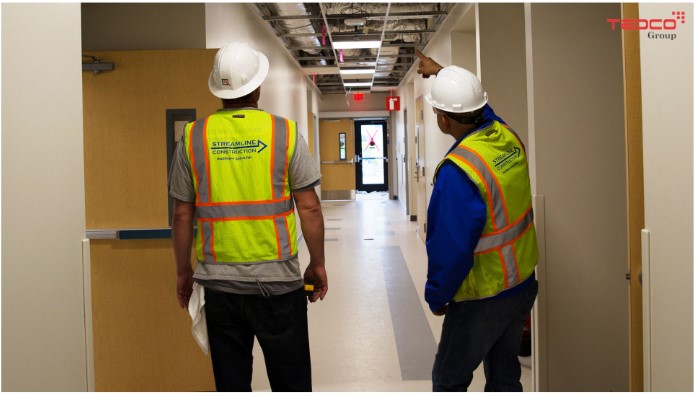
1. Leveraging Specialized Expertise
One of the primary ways subcontractors contribute to streamlining project delivery with subcontractors is by bringing in specialized expertise. Subcontractors are hired for their deep knowledge in specific areas, such as electrical work, plumbing, HVAC systems, or software development. This specialization allows general contractors to delegate tasks to experts who can complete the work more efficiently and to a higher standard.
By relying on subcontractors with niche expertise, general contractors can reduce the learning curve and avoid costly errors. These professionals have the experience and skills to handle complex tasks, allowing the project to move forward smoothly without delays caused by inexperience or missteps. Subcontractors know exactly how to approach their specialized tasks, ensuring that the project stays on track.
2. Enhancing Resource Allocation
Effective resource allocation is a key factor in streamlining project delivery with subcontractors. By dividing the project into smaller, manageable components and assigning them to specialized subcontractors, general contractors can ensure that each aspect of the project receives the attention it deserves. This division of labor allows the general contractor to focus on project management and coordination while subcontractors handle the technical execution.
In large construction or IT projects, for example, managing all aspects in-house can be overwhelming and inefficient. By hiring subcontractors to handle specific tasks, the project’s workload is distributed more evenly, preventing bottlenecks and improving overall efficiency. This approach also enables better time management, as multiple teams can work simultaneously on different aspects of the project.
3. Improved Time Management and Deadlines
Meeting project deadlines is critical to maintaining client satisfaction and avoiding cost overruns. One of the significant advantages of streamlining project delivery with subcontractors is their ability to complete tasks within specified timeframes. Subcontractors are usually brought into projects because of their expertise and proven ability to deliver results quickly and efficiently.
By hiring subcontractors, general contractors can ensure that the project moves forward without unnecessary delays. Subcontractors typically work under tight schedules, which motivates them to complete their tasks on time. Additionally, subcontractors are often incentivized to meet deadlines, as completing one project efficiently allows them to take on additional work.
In projects where timing is critical, using subcontractors can reduce the risk of missed deadlines. General contractors can oversee the broader project schedule, while subcontractors manage their specific timelines, creating a collaborative effort that ensures project milestones are met.
4. Increased Flexibility and Scalability
One of the most valuable aspects of streamlining project delivery with subcontractors is the flexibility it provides. Depending on the project’s scope and timeline, subcontractors can be brought in as needed to manage different phases of the project. This flexibility allows general contractors to adjust their workforce according to the project’s requirements without having to maintain a large, full-time staff for every possible task.
For instance, if a construction project requires additional workers for a short period during the finishing stages, subcontractors can be hired temporarily to meet that demand. Once their task is completed, they can exit the project, reducing overhead costs. This scalability is particularly beneficial for projects with fluctuating labor needs, as it allows contractors to control costs while ensuring that all aspects of the project are completed on time.
5. Cost Savings and Budget Efficiency

Streamlining project delivery with subcontractors not only saves time but also reduces costs. Hiring full-time employees for specialized tasks can be expensive, especially when those skills are only needed for a limited portion of the project. Subcontractors offer a cost-effective solution by allowing general contractors to pay for services only when they are required.
Additionally, subcontractors typically bring their own tools, equipment, and expertise, which reduces the need for the general contractor to invest in specialized resources. This reduces both the upfront costs and long-term financial burden, as subcontractors are often responsible for their own workforce, insurance, and materials.
By optimizing the use of subcontractors, general contractors can better manage the project budget, allocate funds where they are needed most, and ensure that the project is delivered within financial constraints.
6. Streamlined Communication and Coordination
Effective communication is a vital part of streamlining project delivery with subcontractors. General contractors must ensure that there is clear and consistent communication between all parties involved. Using project management tools and regular meetings to keep everyone on the same page can improve the flow of information, reducing the risk of misunderstandings and delays.
Subcontractors are used to working in a structured environment where communication is key to their success. They often have well-established processes for reporting progress, identifying issues, and coordinating with other teams. This means that general contractors can count on subcontractors to communicate effectively and ensure that their portion of the project is completed in harmony with the overall schedule.
7. Managing Risks and Minimizing Disruptions
Subcontractors play a critical role in helping general contractors manage project risks. By bringing in specialists, subcontractors can identify potential issues early and implement solutions quickly. For instance, if a particular aspect of the project encounters a technical challenge, a subcontractor with specialized knowledge can troubleshoot and resolve the problem without delaying the entire project.
Risk management is an essential element of streamlining project delivery with subcontractors. With the right subcontractors in place, general contractors can delegate complex tasks to experts who know how to handle unforeseen challenges. This minimizes disruptions and keeps the project moving forward, even when complications arise.
*Conclusion
Streamlining project delivery with subcontractors is a highly effective strategy for ensuring timely, efficient, and cost-effective project completion. By leveraging the specialized skills of subcontractors, general contractors can improve resource allocation, enhance time management, and meet deadlines without sacrificing quality. Additionally, the flexibility and scalability offered by subcontractors allow general contractors to manage their workforce and costs more efficiently, adapting to the needs of each project phase.
In a world where speed, efficiency, and budget control are critical to success, subcontractors provide the expertise and support needed to deliver outstanding results. By building strong relationships with reliable subcontractors and fostering clear communication, general contractors can ensure that their projects are delivered on time, within budget, and to the highest standards of quality.
For further information, please contact:
Hotline: 093 630 7187
Công ty Cổ Phần TEDCO Việt Nam
Office: 18 Đường số 2, Phường Linh Chiểu, Quận Thủ Đức, TPHCM
Factory: 276/4 Trần Hưng Đạo, Phường Đông Hoà, Thị Xã Dĩ An, Tỉnh Bình Dương.
CN Hà Nội: Số 2.11 khu Vườn Đào X2, Uy Nỗ, Đông Anh, Hà Nội
Web: tedco.com.vn | nhathaudien.vn | mangcap.vn
Email: tedcogroup@gmail.com | info@tedco.com.vn
Written by: Phạm Đăng Khoa
Tìm Kiếm
Bài viết mới
- TEDCO tham gia Tuần giáo dục định hướng tân sinh viên khóa 2026 tại Cao đẳng Công nghệ Thủ Đức
- THERMAL SCAN HỆ THỐNG ĐIỆN – QUÉT ẢNH NHIỆT HỒNG NGOẠI PHÁT HIỆN ĐIỂM NÓNG
- BÁO GIÁ DỊCH VỤ BẢO TRÌ HỆ THỐNG ĐIỆN MẶT TRỜI TRỌN GÓI MỚI NHẤT
- Tiêu Chuẩn Kỹ Thuật Đánh Giá Hiệu Quả Hệ Thống Điện Mặt Trời Sau Bảo Trì
- Tự Vệ Sinh Pin Hay Thuê Dịch Vụ O&M Điện Mặt Trời Chuyên Nghiệp?
Chuyên mục
Tedco - Top 10 Nhà Thầu Cơ Điện, Xây Dựng Hàng Đầu Việt Nam!