Công ty TNHH Innoflow NT
Tedco cung cấp và lắp đặt tủ báo cháy Horing cho Công ty TNHH Innoflow NT
Hạng Mục: Cung cấp lắp đặt tủ điện
Vị Trí: Lô đất KT-BB, KCN Du Long, Xã Thuận Bắc, Tỉnh Khánh Hòa
Lĩnh vực: Đồ chơi, thú nhồi bông, phụ kiện trẻ em
Là doanh nghiệp sản xuất đồ chơi trẻ em, thú nhồi bông và các sản phẩm liên quan, với nhà máy tại KCN Du Long. Đây là một cơ sở sản xuất công nghiệp tương đối lớn, có hệ thống nhà xưởng và dây chuyền sản xuất riêng
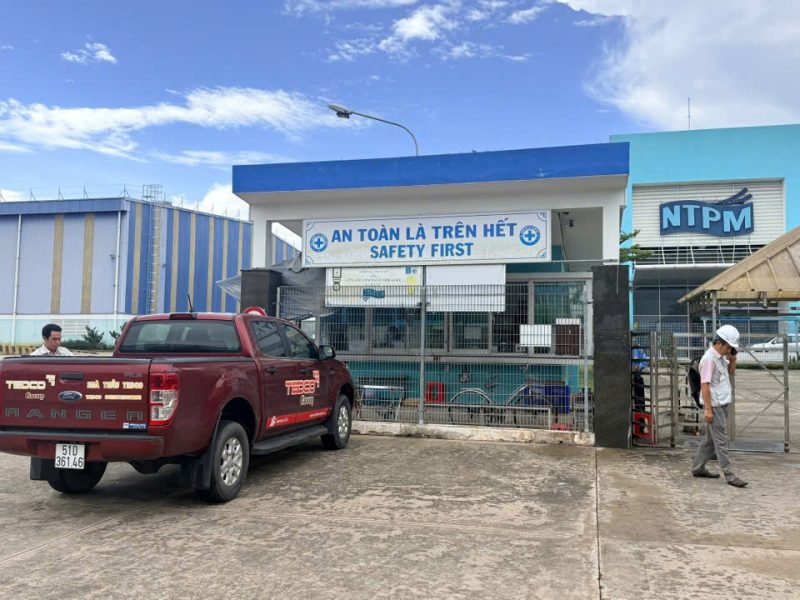
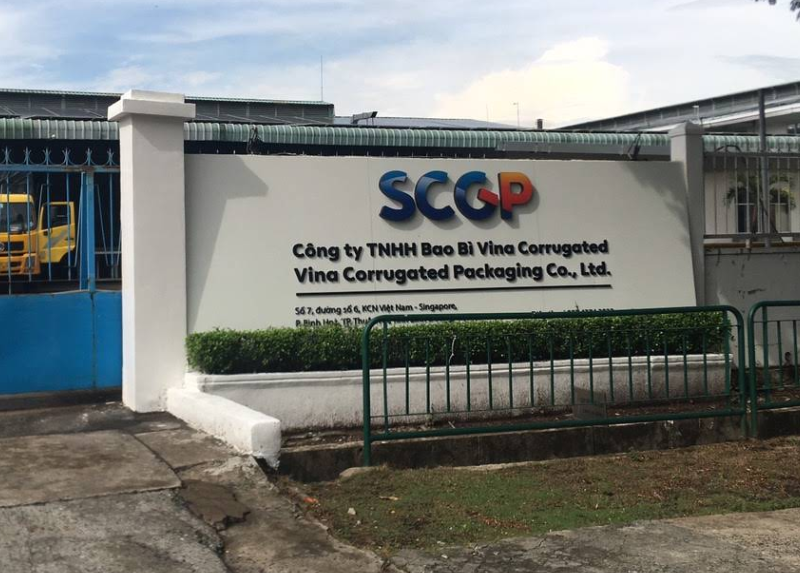


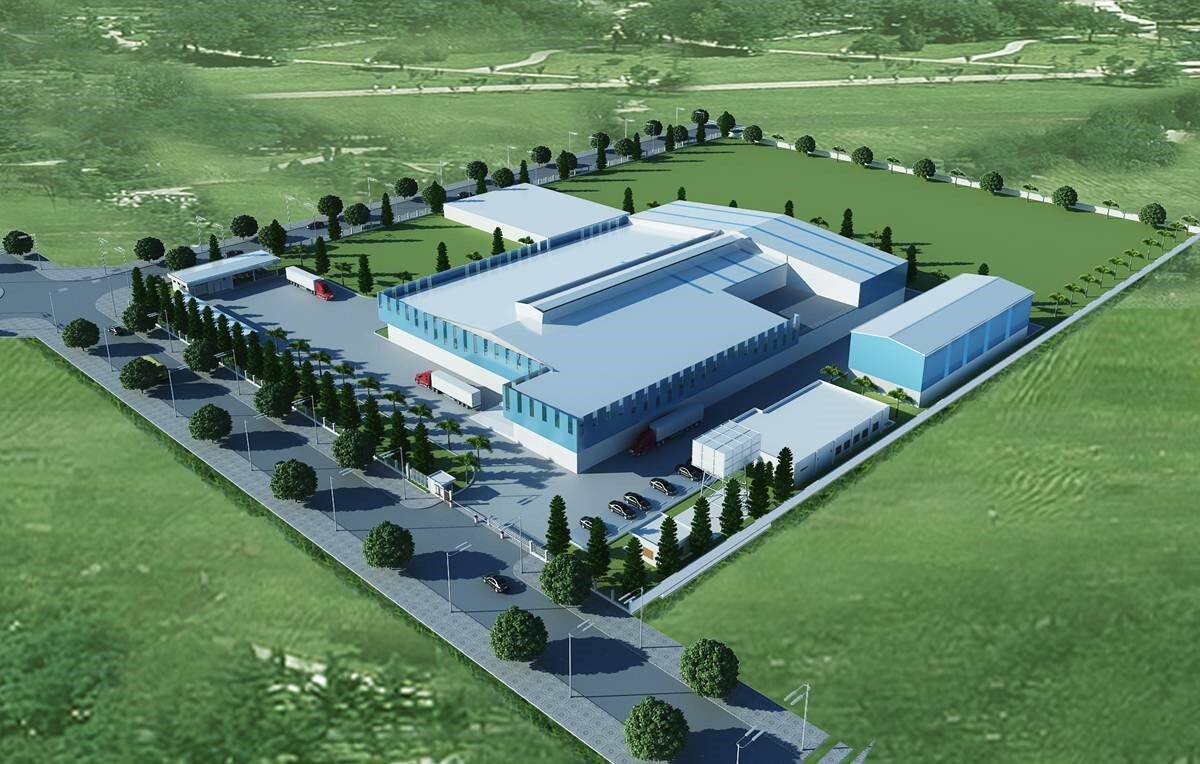


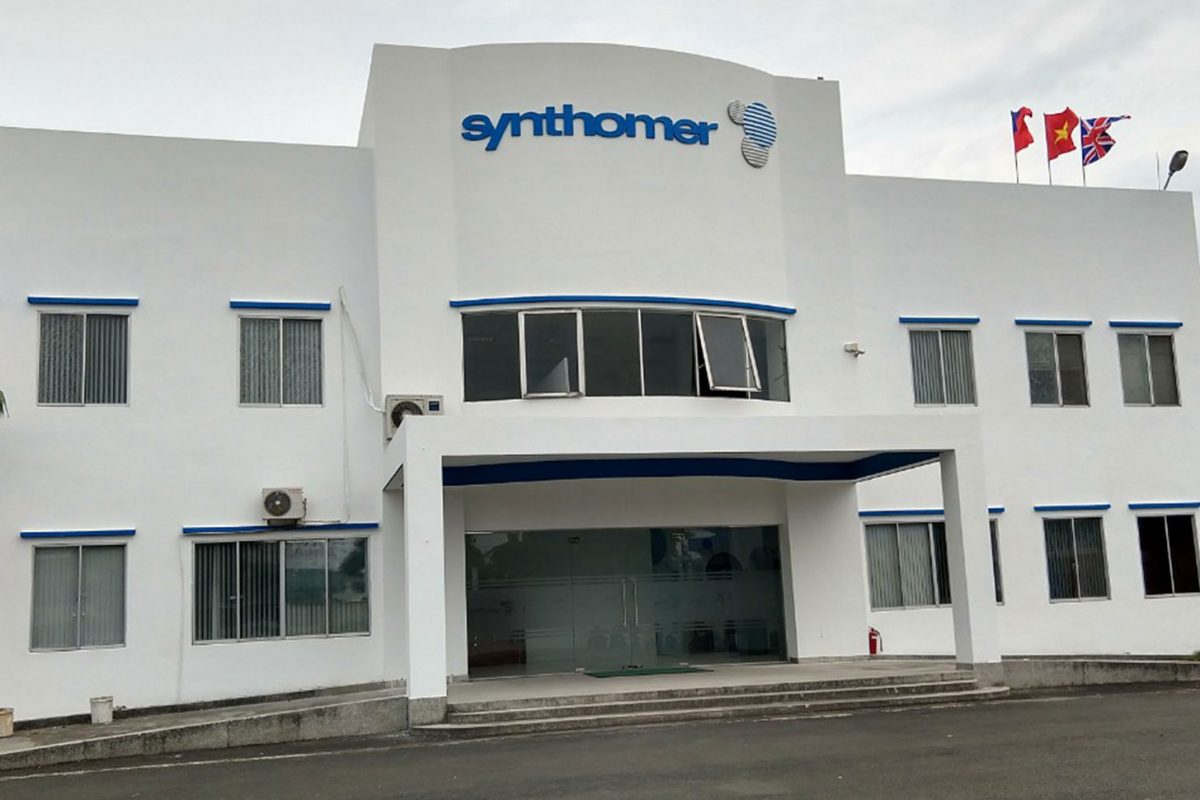


Best Practices for Successful Subcontractor Collaboration
Table of Contents
ToggleBest Practices for Successful Subcontractor Collaboration
This article outlines the best practices for enhancing subcontractor collaboration, focusing on communication, defining roles, managing expectations, and fostering a collaborative working environment.
In the construction and manufacturing industries, successful project completion often hinges on effective collaboration between general contractors and subcontractors. Subcontractor collaboration plays a vital role in ensuring projects are completed on time, within budget, and according to specified standards. To maximize the benefits of this collaboration, both parties must foster clear communication, mutual respect, and a shared commitment to quality and efficiency.

1. Clear and Open Communication
The foundation of any successful subcontractor collaboration is open and transparent communication. From the start of the project, general contractors and subcontractors must establish clear channels of communication to ensure that everyone is aligned on objectives, timelines, and expectations. Miscommunication can lead to costly delays, rework, and disputes, so it’s essential to make communication a priority.
Best practices for communication include:
- Regular meetings: Schedule regular check-ins between the general contractor and subcontractors to discuss project progress, address challenges, and make necessary adjustments.
- Digital tools: Utilize project management software to facilitate real-time updates, document sharing, and task tracking. This keeps all parties informed and reduces the risk of misunderstandings.
- Feedback loops: Create a feedback mechanism where both contractors and subcontractors can raise concerns and propose solutions. Encouraging two-way communication ensures that issues are addressed promptly and collaboratively.
Open communication fosters trust and ensures that all project stakeholders remain on the same page throughout the project’s lifecycle.
2. Clearly Defined Roles and Responsibilities
One of the most important aspects of subcontractor collaboration is defining each party’s roles and responsibilities. A clear understanding of who is responsible for which tasks helps avoid duplication of effort and reduces the chances of critical activities falling through the cracks. It also sets expectations, ensuring that everyone is accountable for their specific portion of the work.
Best practices for defining roles include:
- Detailed contracts: Ensure that contracts clearly outline the scope of work for each subcontractor, including deliverables, deadlines, and quality standards. This provides a legal framework for accountability.
- Task assignment: Break down the project into specific tasks and assign them to the appropriate subcontractor based on their expertise.
- Responsibility matrix: Use a responsibility assignment matrix (e.g., RACI matrix) to visually map out who is responsible, accountable, consulted, and informed for each project task. This ensures clarity across all levels of collaboration.
When roles and responsibilities are well defined, both contractors and subcontractors can focus on delivering quality work within their areas of expertise.
3. Aligning Goals and Expectations
Successful subcontractor collaboration also depends on aligning goals and expectations from the outset. General contractors and subcontractors may have different objectives, but it’s essential to align on project outcomes such as deadlines, budget constraints, and quality standards. Establishing common goals ensures that everyone works toward the same end result, creating a cohesive team effort.
Best practices for aligning expectations include:
- Kick-off meetings: Hold a project kick-off meeting where contractors and subcontractors can discuss key project goals, milestones, and expectations. This sets the tone for collaboration and alignment from the beginning.
- Documented agreements: Ensure that all agreed-upon goals and expectations are documented in contracts and project charters. Written agreements provide clarity and prevent misinterpretations.
- Regular progress reviews: Conduct regular reviews to evaluate whether project progress aligns with established goals. This allows for course corrections and ensures that subcontractors and contractors are working together to meet deadlines and quality standards.
Aligning on goals early on helps reduce conflicts and ensures a smoother collaboration process throughout the project.
4. Fostering a Collaborative Environment
Creating a culture of collaboration is key to achieving success in subcontractor collaboration. When subcontractors feel valued and respected, they are more likely to be motivated, proactive, and committed to the project’s success. General contractors should strive to foster a positive and inclusive work environment that encourages teamwork and collaboration.
Best practices for fostering collaboration include:
- Respect and professionalism: Treat subcontractors with respect, acknowledging their expertise and contributions to the project. Avoid a top-down approach and encourage collaborative problem-solving.
- Incentives for performance: Offer incentives for subcontractors who meet or exceed performance expectations. Recognizing and rewarding hard work helps strengthen relationships and fosters a sense of partnership.
- Problem-solving culture: Promote a problem-solving mindset where subcontractors and contractors work together to address challenges. Collaborative brainstorming can lead to innovative solutions and help avoid project delays.
A collaborative environment encourages teamwork and enhances productivity, resulting in a more cohesive effort toward project success.
5. Managing Conflicts and Disputes

Conflicts are inevitable in any construction or manufacturing project, but how those conflicts are managed is critical to the success of subcontractor collaboration. General contractors must have a plan in place to address disagreements or disputes with subcontractors in a fair and efficient manner, preventing minor issues from escalating into major problems that affect project timelines and budgets.
Best practices for managing disputes include:
- Proactive conflict resolution: Address conflicts early by identifying the root causes and working toward a solution before the issue worsens.
- Mediation or arbitration: In cases where direct negotiation doesn’t resolve the issue, consider using mediation or arbitration to reach an agreement. These methods are less time-consuming and costly than litigation.
- Clear dispute resolution clauses: Ensure that contracts include dispute resolution clauses outlining how conflicts will be handled. This provides a framework for resolving issues without impacting the project.
By addressing conflicts constructively, contractors and subcontractors can maintain strong working relationships and keep the project on track.
6. Leveraging Technology for Collaboration
In today’s digital age, technology plays an essential role in enhancing subcontractor collaboration. From cloud-based project management tools to real-time communication platforms, technology can streamline processes, improve efficiency, and reduce errors.
Best practices for leveraging technology include:
- Project management platforms: Use platforms like Procore, Buildertrend, or Autodesk to manage tasks, schedules, budgets, and communication between contractors and subcontractors in real time.
- Document sharing tools: Use cloud-based systems to share important documents such as blueprints, contracts, and schedules. This ensures everyone has access to the latest information and reduces the risk of miscommunication.
- Mobile apps for on-site collaboration: Use mobile apps that allow subcontractors to provide real-time updates from the job site, report progress, and capture photos or videos of work completed.
Technology helps streamline collaboration, making it easier to track project progress, communicate effectively, and manage subcontractor tasks in real-time.
*Conclusion
Effective subcontractor collaboration is essential for the successful delivery of construction and manufacturing projects. By establishing clear communication, defining roles, aligning goals, fostering a collaborative environment, managing conflicts proactively, and leveraging technology, general contractors and subcontractors can work together to ensure project success. Implementing these best practices leads to stronger partnerships, higher quality outcomes, and improved project efficiency, benefiting all stakeholders involved.
For further information, please contact:
Hotline: 093 630 7187
Công ty Cổ Phần TEDCO Việt Nam
Office: 18 Đường số 2, Phường Linh Chiểu, Quận Thủ Đức, TPHCM
Factory: 276/4 Trần Hưng Đạo, Phường Đông Hoà, Thị Xã Dĩ An, Tỉnh Bình Dương.
CN Hà Nội: Số 2.11 khu Vườn Đào X2, Uy Nỗ, Đông Anh, Hà Nội
Web: tedco.com.vn | nhathaudien.vn | mangcap.vn
Email: tedcogroup@gmail.com | info@tedco.com.vn
Written by: Phạm Đăng Khoa
- Categories:
- Kiến Thức,
- Tin Tức


TIN TỨC MỚI




Tedco - Top 10 Nhà Thầu Cơ Điện, Xây Dựng Hàng Đầu Việt Nam!