Công ty TNHH Innoflow NT
Tedco cung cấp và lắp đặt tủ báo cháy Horing cho Công ty TNHH Innoflow NT
Hạng Mục: Cung cấp lắp đặt tủ điện
Vị Trí: Lô đất KT-BB, KCN Du Long, Xã Thuận Bắc, Tỉnh Khánh Hòa
Lĩnh vực: Đồ chơi, thú nhồi bông, phụ kiện trẻ em
Là doanh nghiệp sản xuất đồ chơi trẻ em, thú nhồi bông và các sản phẩm liên quan, với nhà máy tại KCN Du Long. Đây là một cơ sở sản xuất công nghiệp tương đối lớn, có hệ thống nhà xưởng và dây chuyền sản xuất riêng






Subcontracting in the Age of Sustainability
Table of Contents
ToggleSubcontracting in the Age of Sustainability: Green Building Practices
This article explores the importance of subcontracting in the age of sustainability, focusing on green building practices, the challenges faced by subcontractors, and their evolving role in shaping sustainable futures
As the demand for environmentally friendly construction continues to grow, the role of subcontractors is becoming increasingly significant in delivering projects that meet modern sustainability standards. Subcontracting in the age of sustainability is not just about completing tasks efficiently—it’s about ensuring that every aspect of the project aligns with green building practices. From material sourcing to energy-efficient techniques, subcontractors are critical players in advancing eco-friendly construction methods.

1. The Shift Toward Sustainable Construction
Sustainability has become a core consideration in the construction industry, driven by both environmental concerns and regulatory requirements. More clients are demanding projects that reduce carbon footprints, minimize waste, and utilize renewable resources. As such, general contractors are increasingly relying on subcontractors with specialized knowledge in sustainable building practices to achieve these goals.
Subcontracting in the age of sustainability means that subcontractors must:
- Implement eco-friendly materials and techniques.
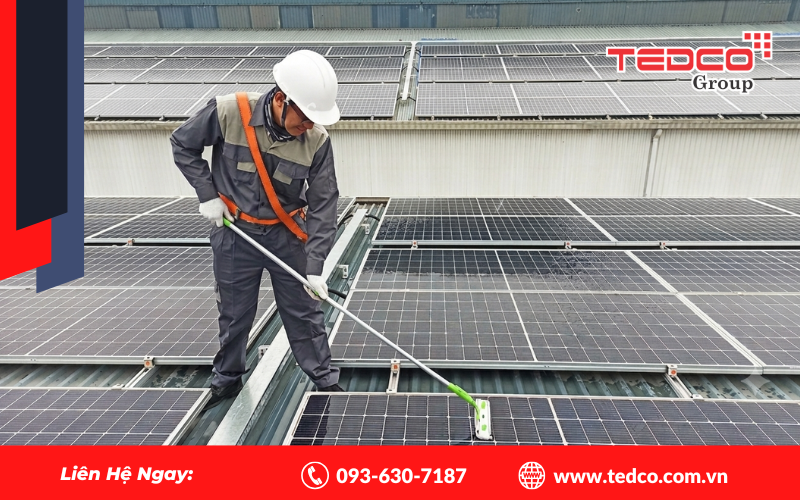
- Incorporate energy-efficient technologies such as solar panels, green roofs, and smart HVAC systems.
- Reduce waste through recycling and efficient use of materials.
Subcontractors who are skilled in green building techniques not only help meet regulatory standards but also position themselves as valuable partners in an increasingly eco-conscious market.
2. The Role of Subcontractors in Green Building Practices
In sustainable construction, subcontractors are often responsible for implementing specific green initiatives, whether it’s installing energy-efficient systems, working with sustainable materials, or ensuring waste management aligns with environmental goals. Green building practices require collaboration, and subcontractors need to be proactive in adopting innovative approaches that reduce environmental impact.
Key areas where subcontracting in the age of sustainability plays a role include:
- Material sourcing: Subcontractors must ensure the materials they use are sustainably sourced, whether it’s timber from responsibly managed forests or recycled materials.
- Energy efficiency: Subcontractors installing electrical systems, HVAC, or insulation must prioritize energy-efficient products and methods that reduce overall consumption.
- Waste management: Subcontractors are often tasked with managing on-site waste, ensuring that construction waste is minimized, sorted, and recycled where possible.
- Water conservation: Plumbing subcontractors can contribute by installing low-flow fixtures and systems that reduce water consumption.
These efforts contribute to the overall sustainability of a project, helping to achieve green building certifications like LEED (Leadership in Energy and Environmental Design).
3. Challenges in Green Subcontracting
While subcontracting for sustainable construction is a growing opportunity, it comes with its challenges. One of the major hurdles is the additional cost associated with eco-friendly materials and systems. Often, green materials can be more expensive than conventional alternatives, which can impact project budgets and timelines. However, many general contractors and clients are willing to make this investment due to the long-term benefits and cost savings that come from reduced energy use and lower maintenance costs.
Another challenge is staying up to date with changing regulations and green building standards. As sustainability becomes a larger focus in construction, subcontractors must continuously educate themselves on the latest green technologies, certifications, and regulatory requirements. This often involves additional training and investment in new tools and techniques.
Despite these challenges, subcontracting in the age of sustainability offers long-term rewards. Subcontractors that can consistently deliver on green building practices will find themselves in high demand as more projects require environmentally responsible solutions.
4. Collaboration for Sustainable Success
Sustainability in construction requires seamless collaboration between general contractors, subcontractors, architects, and clients. Effective communication and coordination are crucial in ensuring that green building goals are met. Subcontractors should engage early in the project planning phase to align their methods with the broader sustainability objectives of the project.
Subcontractors can also benefit from sharing best practices with other teams, helping to drive innovation and improve efficiency. In subcontracting in the age of sustainability, it’s essential for all stakeholders to work together to ensure that projects meet both environmental and performance targets.
5. The Future of Sustainable Subcontracting
As environmental concerns become more pressing, the role of subcontractors in sustainable construction will continue to evolve. The future of subcontracting in the age of sustainability will see an increased focus on integrating new technologies such as renewable energy systems, energy storage, and sustainable urban planning techniques. Subcontractors who specialize in green technologies will be instrumental in pushing the industry forward toward carbon-neutral or even carbon-positive construction.
Moreover, as more regions introduce stringent environmental regulations, subcontractors will be increasingly required to adopt sustainable practices to stay competitive. Those who are able to quickly adapt to new standards and integrate cutting-edge technologies into their work will thrive in the evolving construction landscape.
*Conclusion

In conclusion, subcontracting in the age of sustainability is about more than just completing projects—it’s about contributing to the global movement toward eco-friendly, resource-efficient building practices. Subcontractors are pivotal in driving sustainable construction forward, helping general contractors meet green building standards while navigating the challenges of cost, regulation, and innovation.
By adopting sustainable techniques, sourcing eco-friendly materials, and collaborating closely with other project stakeholders, subcontractors can ensure that their work not only meets the demands of today but also contributes to a more sustainable future for the construction industry.
For further information, please contact:
Hotline: 093 630 7187
Công ty Cổ Phần TEDCO Việt Nam
Office: 18 Đường số 2, Phường Linh Chiểu, Quận Thủ Đức, TPHCM
Factory: 276/4 Trần Hưng Đạo, Phường Đông Hoà, Thị Xã Dĩ An, Tỉnh Bình Dương.
CN Hà Nội: Số 2.11 khu Vườn Đào X2, Uy Nỗ, Đông Anh, Hà Nội
Web: tedco.com.vn | nhathaudien.vn | mangcap.vn
Email: tedcogroup@gmail.com | info@tedco.com.vn
Written by: Phạm Đăng Khoa
- Categories:
- Kiến Thức,
- Tin Tức


TIN TỨC MỚI




Tedco - Top 10 Nhà Thầu Cơ Điện, Xây Dựng Hàng Đầu Việt Nam!