Công ty TNHH Innoflow NT
Tedco cung cấp và lắp đặt tủ báo cháy Horing cho Công ty TNHH Innoflow NT
Hạng Mục: Cung cấp lắp đặt tủ điện
Vị Trí: Lô đất KT-BB, KCN Du Long, Xã Thuận Bắc, Tỉnh Khánh Hòa
Lĩnh vực: Đồ chơi, thú nhồi bông, phụ kiện trẻ em
Là doanh nghiệp sản xuất đồ chơi trẻ em, thú nhồi bông và các sản phẩm liên quan, với nhà máy tại KCN Du Long. Đây là một cơ sở sản xuất công nghiệp tương đối lớn, có hệ thống nhà xưởng và dây chuyền sản xuất riêng
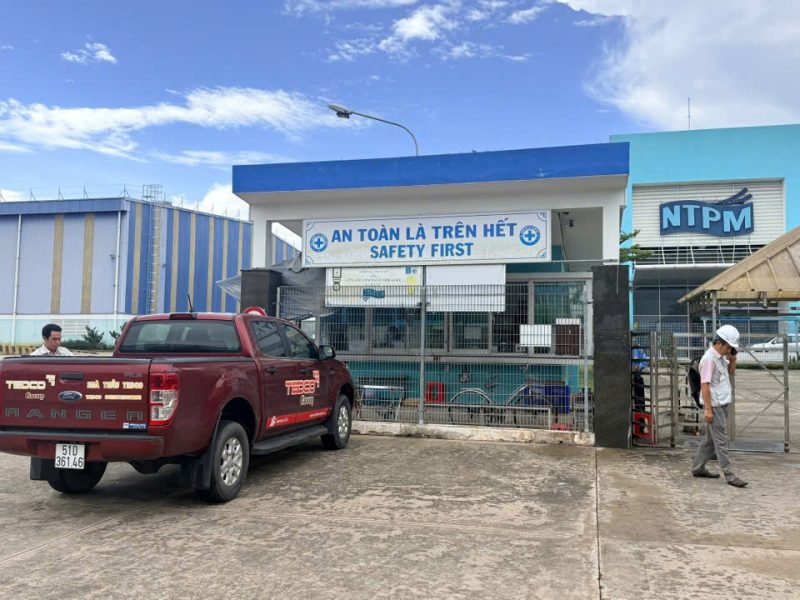
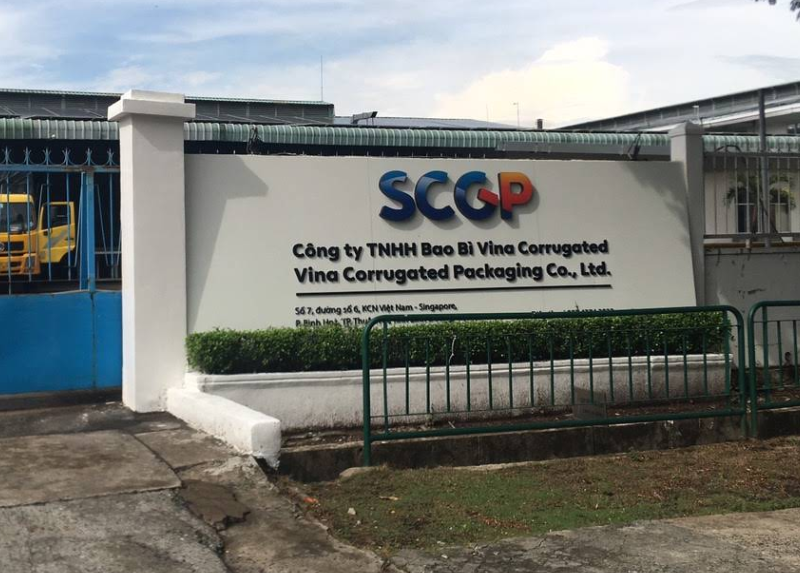


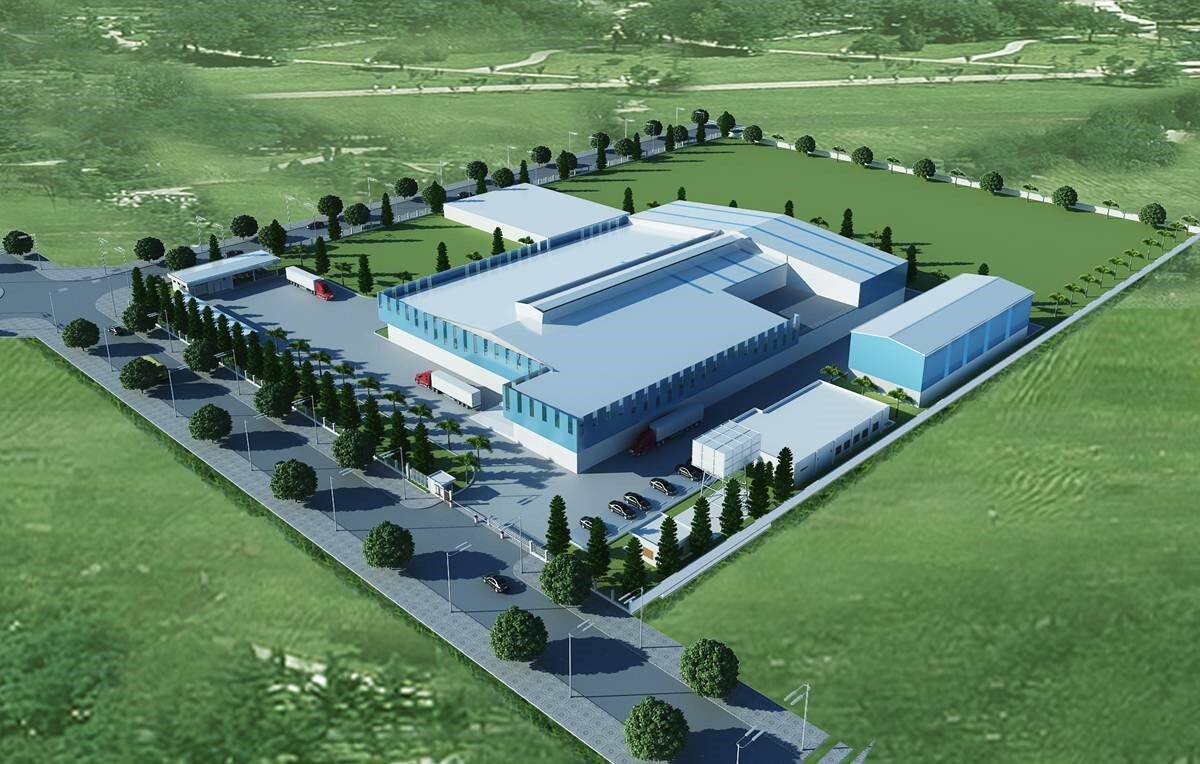


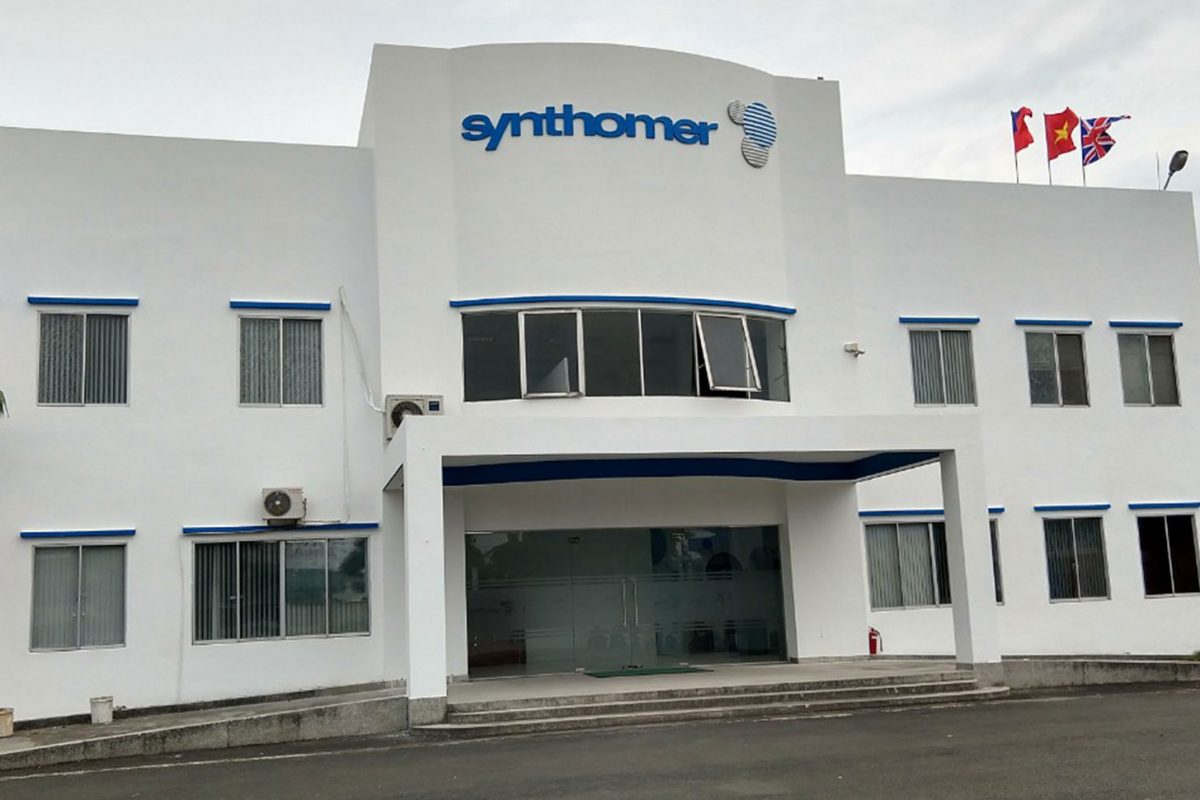


How Technology is Changing the Role of Subcontractors
Table of Contents
ToggleHow Technology is Changing the Role of Subcontractors
From automation and digital tools to advanced project management software, technology is changing the role of subcontractors in ways that streamline operations, enhance productivity, and reshape how projects are delivered. In recent years, technological advancements have dramatically transformed industries such as construction, manufacturing, and IT. Subcontractors, who traditionally performed specialized tasks within larger projects, are now seeing their roles evolve due to the integration of technology. In this guide, we’ll explore how technology is impacting subcontractors and the new opportunities it provides.

1. Enhanced Project Management and Communication
One of the most significant ways technology is changing the role of subcontractors is through improved project management and communication tools. Subcontractors are increasingly utilizing cloud-based platforms like Procore, Buildertrend, and PlanGrid to stay updated on project schedules, submit progress reports, and communicate with general contractors in real-time. These tools enhance transparency, reduce misunderstandings, and ensure that subcontractors can access updated plans, specifications, and timelines instantly.
Project management software enables subcontractors to coordinate with other teams more effectively, which leads to a smoother project flow and fewer delays. Subcontractors are no longer just task executors—they are becoming active collaborators, providing input on timelines and resource needs to optimize project outcomes.
2. Increased Use of Automation and Robotics
Automation is another factor that is changing the role of subcontractors. In industries like construction and manufacturing, robotics and automated systems are beginning to handle repetitive and labor-intensive tasks. For example, robots can be used for bricklaying, welding, or assembling complex components, which reduces the need for manual labor and increases precision. Subcontractors who were once responsible for these manual tasks must now manage, program, and oversee automated systems.
This shift means that subcontractors need to acquire new technical skills to remain competitive. They are not just executing tasks but are also responsible for integrating technology into their workflows, which requires ongoing learning and adaptability. As automation continues to grow, subcontractors who embrace these technologies will find new opportunities to increase efficiency and reduce costs.
3. Digital Design and BIM Integration
Building Information Modeling (BIM) is revolutionizing the way construction projects are planned and executed. BIM allows subcontractors to access 3D models of a project, providing them with a comprehensive view of how their work fits into the overall design. This technology is changing the role of subcontractors by giving them a more collaborative role in the design process. Subcontractors can now identify potential conflicts or inefficiencies early in the planning stages, helping to prevent costly errors during construction.
For example, an HVAC subcontractor using BIM can visualize the installation of ductwork alongside other systems, such as plumbing or electrical wiring, to ensure everything fits perfectly. This coordination reduces the likelihood of delays or rework, allowing subcontractors to work more efficiently. As a result, subcontractors are becoming integral players in the design and planning process, not just implementers.
4. Use of Drones and Remote Monitoring

The use of drones and remote monitoring technologies is also changing the role of subcontractors by enhancing site management and oversight. Drones allow subcontractors to inspect large areas quickly and safely, capturing detailed aerial images of construction sites. This technology can be used for tasks like site surveys, progress tracking, or safety inspections without the need for on-the-ground personnel.
For subcontractors, this means they can monitor their work remotely, ensure quality control, and provide real-time updates to general contractors and project managers. The ability to gather data from drones enhances efficiency, reduces the risk of on-site accidents, and allows subcontractors to manage multiple projects simultaneously with greater oversight.
5. Adoption of Prefabrication and Modular Construction
The rise of prefabrication and modular construction is also reshaping the subcontractor landscape. With prefabrication, components of a building or structure are assembled off-site in a controlled environment and then transported to the job site for installation. Subcontractors involved in these projects must now have expertise in off-site manufacturing and precision installation, as opposed to traditional on-site construction methods.
This shift in construction practices is changing the role of subcontractors by requiring them to coordinate closely with manufacturers, adhere to strict quality control standards, and manage the logistics of transporting and installing prefabricated units. It also allows subcontractors to complete tasks more quickly and with fewer resources, leading to greater efficiency and cost savings.
6. Data-Driven Decision Making and Analytics
Technology is enabling subcontractors to make more informed decisions through data analytics. By using software to track performance metrics such as labor productivity, material usage, and project timelines, subcontractors can analyze the data to identify areas for improvement. This data-driven approach allows them to optimize their workflows, reduce waste, and increase profitability.
For example, subcontractors can use data to monitor their team’s productivity and adjust resource allocation to ensure that tasks are completed efficiently. This focus on data analytics is changing the role of subcontractors by turning them into strategic partners who use insights to drive project success, rather than simply executing pre-determined tasks.
7. Sustainable Construction Practices
Sustainability is becoming an increasingly important factor in construction and subcontracting. With the growing demand for eco-friendly buildings and energy-efficient systems, subcontractors are playing a crucial role in implementing green construction practices. Technology is aiding this transition by providing tools that measure energy consumption, track material sustainability, and monitor environmental impact.
For subcontractors, adopting sustainable practices means learning new techniques and using innovative materials. They may be responsible for installing solar panels, energy-efficient HVAC systems, or water-saving technologies. The demand for environmentally conscious construction is changing the role of subcontractors, as they must now be knowledgeable in sustainability and green building certifications, such as LEED.
8. Enhanced Safety and Compliance
Advances in safety technology are also changing the role of subcontractors. Wearable devices, sensors, and safety apps are helping subcontractors monitor potential hazards and ensure compliance with safety regulations. For example, sensors can detect harmful gases or monitor worker fatigue, while apps can provide real-time alerts about safety protocols.
Subcontractors who prioritize safety technology are better positioned to protect their teams, reduce accidents, and comply with industry standards. This focus on technology-driven safety measures is elevating subcontractors’ roles in ensuring that job sites are not only efficient but also safe for all workers.
*Conclusion
Technology is changing the role of subcontractors in profound ways. From improved project management and automation to sustainable practices and safety innovations, subcontractors are no longer just task executors—they are becoming essential collaborators in the modern construction process. As technology continues to advance, subcontractors who embrace these changes will be better equipped to deliver high-quality work, meet tight deadlines, and drive project success.
By adopting new tools, enhancing their technical skills, and staying at the forefront of industry innovations, subcontractors can remain competitive in an ever-evolving landscape. The future of subcontracting is being shaped by technology, and those who leverage it effectively will be well-positioned for long-term success.
For further information, please contact:
Hotline: 093 630 7187
Công ty Cổ Phần TEDCO Việt Nam
Office: 18 Đường số 2, Phường Linh Chiểu, Quận Thủ Đức, TPHCM
Factory: 276/4 Trần Hưng Đạo, Phường Đông Hoà, Thị Xã Dĩ An, Tỉnh Bình Dương.
CN Hà Nội: Số 2.11 khu Vườn Đào X2, Uy Nỗ, Đông Anh, Hà Nội
Web: tedco.com.vn | nhathaudien.vn | mangcap.vn
Email: tedcogroup@gmail.com | info@tedco.com.vn
Written by: Phạm Đăng Khoa
- Categories:
- Kiến Thức,
- Tin Tức

TIN TỨC MỚI




Tedco - Top 10 Nhà Thầu Cơ Điện, Xây Dựng Hàng Đầu Việt Nam!