Công ty TNHH Innoflow NT
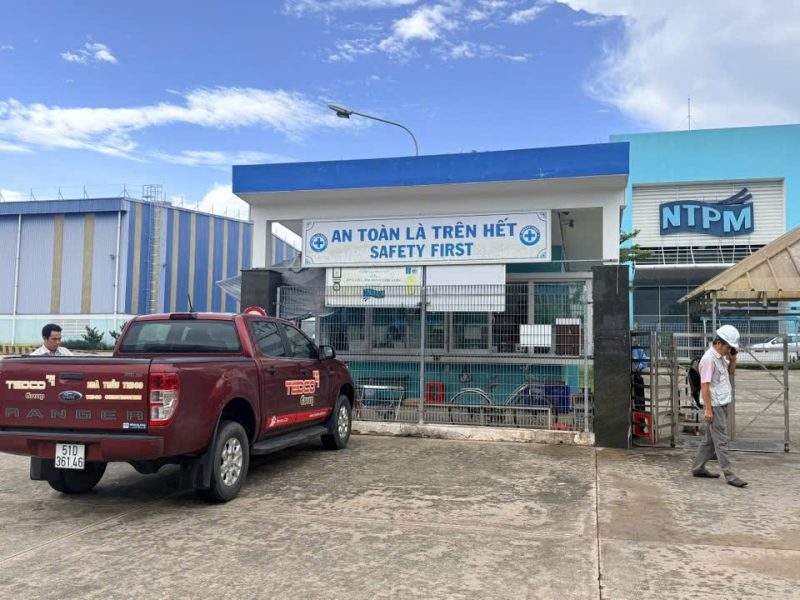
Tedco cung cấp và lắp đặt tủ báo cháy Horing cho Công ty TNHH Innoflow NT
Hạng Mục: Cung cấp lắp đặt tủ điện
Vị Trí: Lô đất KT-BB, KCN Du Long, Xã Thuận Bắc, Tỉnh Khánh Hòa
Lĩnh vực: Đồ chơi, thú nhồi bông, phụ kiện trẻ em
Là doanh nghiệp sản xuất đồ chơi trẻ em, thú nhồi bông và các sản phẩm liên quan, với nhà máy tại KCN Du Long. Đây là một cơ sở sản xuất công nghiệp tương đối lớn, có hệ thống nhà xưởng và dây chuyền sản xuất riêng








Building Trust with Subcontractors: A Guide for General Contractors
Building Trust with Subcontractors: A Guide for General Contractors
In this guide, we will explore how building trust with subcontractors can lead to long-term partnerships, improved project outcomes, and a more efficient workflow. Building strong, trustworthy relationships between general contractors and subcontractors is essential for the success of any construction project. Trust ensures smoother collaboration, higher-quality work, and better adherence to timelines and budgets. Without trust, projects can become riddled with miscommunication, delays, and costly errors.
1. Clear and Transparent Communication
One of the cornerstones of building trust with subcontractors is maintaining clear and open communication. General contractors should provide subcontractors with detailed project expectations, timelines, and scope from the very beginning. Miscommunication or vague instructions can lead to confusion and delays, damaging the relationship.
Regular check-ins and updates keep everyone on the same page. By being proactive in communication, general contractors show that they respect the subcontractor’s time and effort, which fosters trust. It’s important to create a feedback loop where both parties feel comfortable discussing concerns or potential issues without fear of reprisal.
Additionally, using collaborative tools such as project management software can streamline communication, allowing for real-time updates and more transparent project tracking.
2. Set Clear Expectations from the Start
Before any work begins, it’s crucial to establish clear and precise expectations for the subcontractors’ role in the project. This includes outlining the exact scope of work, deadlines, quality standards, and deliverables. A well-defined contract that clearly states these expectations helps mitigate misunderstandings later in the project.
Setting these expectations early is a key factor in building trust with subcontractors, as it provides a clear roadmap for success. Subcontractors will know exactly what is required of them and feel confident that the general contractor is committed to transparency and fairness. Clear expectations also ensure accountability on both sides, reducing the chances of conflicts arising from unmet assumptions.
3. Provide Fair Compensation and Timely Payments
One of the most direct ways to build trust is by ensuring that subcontractors are compensated fairly and promptly. Payment delays can create frustration and distrust, particularly in industries like construction, where cash flow is essential for daily operations. General contractors should ensure that subcontractors are paid according to the terms agreed upon in the contract, without unnecessary delays.
By honoring payment terms and offering fair compensation, general contractors show that they value the work subcontractors provide and are committed to maintaining a positive, long-term working relationship. Timely payments also give subcontractors confidence in the project and motivate them to deliver their best work.
4. Foster Mutual Respect and Professionalism
A relationship based on mutual respect is critical when building trust with subcontractors. General contractors should treat subcontractors as valued partners rather than mere hired help. Respecting their expertise, opinions, and work methods helps establish a collaborative and cooperative atmosphere on the job site.
Respect also extends to how subcontractors are treated in everyday interactions. This includes showing appreciation for their contributions, maintaining professionalism in communication, and ensuring that they have what they need to complete their tasks. When subcontractors feel respected, they are more likely to go above and beyond in their work, knowing that their efforts are valued.
5. Address Issues Proactively and Constructively
In any large-scale project, challenges and issues are inevitable. How these issues are handled can make or break the trust between general contractors and subcontractors. When problems arise, it is important for general contractors to address them promptly and constructively, rather than assigning blame or creating unnecessary tension.
Subcontractors appreciate a problem-solving approach where the focus is on finding solutions rather than dwelling on the issue. By fostering a collaborative problem-solving mindset, general contractors demonstrate that they are committed to overcoming challenges together, which strengthens trust and builds a more resilient partnership.
6. Recognize and Reward Good Work

One of the simplest but most effective ways to foster trust is by recognizing subcontractors for a job well done. Acknowledging the hard work and dedication of subcontractors boosts morale and demonstrates that their contributions are valued. General contractors who take the time to recognize and reward subcontractors’ efforts build loyalty and trust.
Rewards don’t have to be monetary; verbal recognition, positive feedback, and public acknowledgment during team meetings can go a long way in motivating subcontractors and encouraging high-quality performance. When subcontractors feel appreciated, they are more likely to remain committed to delivering outstanding work and maintaining a long-term relationship with the contractor.
7. Provide Support and Resources for Success
General contractors should set their subcontractors up for success by ensuring they have access to the resources, materials, and information needed to complete their work. Subcontractors can only perform to the best of their abilities if they are provided with accurate plans, necessary equipment, and a clear timeline.
Failing to provide these essential tools can lead to frustration, missed deadlines, and diminished trust. By ensuring that subcontractors have everything they need to do their jobs effectively, general contractors show that they are invested in the subcontractor’s success, thereby fostering a relationship built on trust and cooperation.
8. Honesty and Transparency in Negotiations
Honesty is essential when building trust with subcontractors. During the negotiation process, general contractors should be upfront about budgets, project timelines, and any potential challenges that may arise. Being transparent about what can realistically be achieved creates a foundation of trust that can prevent disputes or misunderstandings later on.
Subcontractors are more likely to trust general contractors who approach negotiations in good faith and are transparent about the scope and limitations of the project. Establishing this level of honesty from the beginning sets the tone for a healthy working relationship.
9. Honor Commitments and Deadlines
General contractors must lead by example by honoring their own commitments. Just as subcontractors are expected to meet deadlines and deliver high-quality work, general contractors should also be punctual in providing feedback, approvals, and other project-related decisions. Failing to honor these commitments can create delays and erode trust between the parties.
By demonstrating reliability and accountability, general contractors show that they are serious about meeting the project’s objectives. This mutual accountability encourages subcontractors to do the same, building a solid foundation of trust and respect.
*Conclusion
Building trust with subcontractors is essential for the long-term success of any construction or complex project. From clear communication and setting expectations to fair compensation and timely support, general contractors have many tools at their disposal to foster strong, lasting relationships with their subcontractors. By prioritizing trust, general contractors not only improve project outcomes but also create partnerships that can be relied upon for future projects. Trust breeds loyalty, improves collaboration, and leads to higher-quality work, all of which are critical for achieving project success.
For further information, please contact:
Hotline: 093 630 7187
Công ty Cổ Phần TEDCO Việt Nam
Office: 18 Đường số 2, Phường Linh Chiểu, Quận Thủ Đức, TPHCM
Factory: 276/4 Trần Hưng Đạo, Phường Đông Hoà, Thị Xã Dĩ An, Tỉnh Bình Dương.
CN Hà Nội: Số 2.11 khu Vườn Đào X2, Uy Nỗ, Đông Anh, Hà Nội
Web: tedco.com.vn | nhathaudien.vn | mangcap.vn
Email: tedcogroup@gmail.com | info@tedco.com.vn
Written by: Phạm Đăng Khoa

Subcontractor Responsibilities: What You Need to Know
Subcontractor Responsibilities: What You Need to Know
Understanding subcontractor responsibilities is essential for businesses to ensure smooth project execution, meet quality standards, and manage timelines effectively. In various industries, subcontractors play a crucial role in delivering specialized services and completing projects efficiently. Whether you are a contractor or a client, being aware of what is expected from subcontractors can help you mitigate risks and foster successful partnerships. In this article, we’ll explore the key responsibilities of subcontractors and how they impact project outcomes.

1. Completing Specific Tasks within the Project Scope
One of the most fundamental subcontractor responsibilities is to complete the specific tasks assigned to them within the project’s scope. Unlike general contractors who oversee the entire project, subcontractors are hired to perform specialized tasks, such as electrical wiring, plumbing, carpentry, or software development. Their responsibility is to focus on these tasks and deliver results that meet the outlined requirements.
For example, in a construction project, an electrical subcontractor is responsible for installing wiring and electrical systems according to the project’s blueprints and specifications. They must ensure that the work aligns with local building codes and safety regulations. The clear delineation of tasks ensures that each aspect of the project is handled by a skilled professional, reducing the risk of errors and delays.
2. Adhering to Quality Standards
Maintaining high-quality work is a key responsibility of subcontractors. Clients and general contractors rely on subcontractors to perform their work to a certain standard of excellence. Subcontractors are responsible for ensuring that their work meets both the project’s specifications and industry quality standards.
For instance, in manufacturing, a subcontractor tasked with producing parts for a product must ensure that the parts meet design specifications, durability requirements, and safety standards. This attention to quality is critical to avoiding rework, which can lead to delays and additional costs.
Subcontractors should also implement their own quality control processes to consistently deliver high standards. Whether through inspections, testing, or certifications, subcontractors must ensure that their output is flawless and ready for integration into the larger project.
3. Meeting Project Deadlines
Another crucial subcontractor responsibility is meeting project deadlines. Timely completion of tasks is essential in complex projects where delays in one phase can affect the entire project timeline. Subcontractors must manage their time effectively, coordinate their schedules with other teams, and ensure that they complete their tasks on or before the agreed-upon deadlines.
Failure to meet deadlines can lead to penalties, contractual disputes, and additional costs for the contractor or client. To avoid such risks, subcontractors must plan their work efficiently, allocate adequate resources, and communicate regularly with the project manager or general contractor about their progress and any potential issues that could cause delays.
4. Compliance with Safety and Regulatory Requirements

Ensuring compliance with local regulations and safety standards is a critical subcontractor responsibility. Many industries, such as construction, manufacturing, and healthcare, are heavily regulated to ensure the safety of workers and the public. Subcontractors are expected to be familiar with relevant laws and regulations and to follow them rigorously in their work.
For example, construction subcontractors must comply with Occupational Safety and Health Administration (OSHA) regulations to ensure the safety of their crews and the job site. Similarly, in IT, subcontractors may need to comply with data privacy laws like the General Data Protection Regulation (GDPR) when handling sensitive information.
Subcontractors must also stay updated on changes in regulations to ensure their work remains compliant, thus protecting both themselves and the contractor from legal repercussions and fines.
5. Managing Their Own Workforce and Resources
Subcontractors are responsible for managing their own workforce, tools, and materials necessary to complete their assigned tasks. This includes hiring the right personnel, providing training where needed, and ensuring that the workers are equipped with the proper tools and protective gear to perform their jobs safely and efficiently.
Effective workforce management is essential to avoid disruptions and delays in the project. For example, if a subcontractor’s team is undertrained or understaffed, it can result in lower-quality work or missed deadlines. Subcontractors must ensure that their employees are qualified for the job and that they have enough resources to complete their tasks according to the contract.
6. Communication and Coordination with Other Teams
A vital aspect of subcontractor responsibilities is maintaining clear and consistent communication with general contractors, project managers, and other subcontractors. In large projects with multiple teams working concurrently, coordination is key to ensuring that all tasks are completed in the correct sequence and on time.
Subcontractors must regularly update the general contractor or project manager on their progress, potential issues, and any changes in their schedule. They must also coordinate their work with other subcontractors to avoid conflicts or delays. For example, in a construction project, the plumbing subcontractor may need to communicate with the electrical team to ensure that their work does not interfere with each other’s installations.
Good communication ensures that any challenges are addressed promptly and that the overall project remains on track.
7. Maintaining Proper Documentation
Subcontractors are responsible for maintaining thorough documentation of their work, including contracts, permits, safety certifications, and invoices. This documentation is essential for accountability, legal compliance, and payment processing. For example, subcontractors must keep records of their work hours, materials used, and any changes to the original scope of work to support billing and invoicing.
Proper documentation also helps subcontractors protect themselves in the event of disputes or misunderstandings with the general contractor or client. Additionally, it serves as proof of compliance with safety and regulatory requirements, which can be crucial in audits or inspections.
8. Handling Liability and Insurance Coverage
Liability is another significant responsibility of subcontractors. Subcontractors must carry adequate insurance to cover potential damages, injuries, or mistakes that may occur during the execution of their work. In industries like construction, this includes general liability insurance, worker’s compensation, and possibly professional liability insurance, depending on the scope of work.
Subcontractors must ensure that their insurance coverage meets the requirements of the project and that it is active throughout the project’s duration. Failure to carry proper insurance can result in financial losses for both the subcontractor and the hiring contractor, especially if an accident or dispute arises.
*Conclusion
In complex projects, subcontractor responsibilities are multifaceted and critical to the overall success of the project. From completing specialized tasks and meeting deadlines to ensuring compliance with regulations and maintaining clear communication, subcontractors play an integral role in delivering high-quality results. Businesses that understand and respect the responsibilities of their subcontractors will benefit from smoother project execution, reduced risks, and improved project outcomes. For subcontractors, adhering to these responsibilities builds trust, enhances their reputation, and ensures long-term success in the industry.
For further information, please contact:
Hotline: 093 630 7187
Công ty Cổ Phần TEDCO Việt Nam
Office: 18 Đường số 2, Phường Linh Chiểu, Quận Thủ Đức, TPHCM
Factory: 276/4 Trần Hưng Đạo, Phường Đông Hoà, Thị Xã Dĩ An, Tỉnh Bình Dương.
CN Hà Nội: Số 2.11 khu Vườn Đào X2, Uy Nỗ, Đông Anh, Hà Nội
Web: tedco.com.vn | nhathaudien.vn | mangcap.vn
Email: tedcogroup@gmail.com | info@tedco.com.vn
Written by: Phạm Đăng Khoa

How Subcontractors Help Mitigate Risk in Complex Projects
How Subcontractors Help Mitigate Risk in Complex Projects
In this article, we explore how subcontractors help mitigate risk in complex projects, highlighting their role in providing specialized skills, enhancing scalability, and ensuring cost control.
In today’s dynamic and often unpredictable business landscape, managing complex projects requires careful planning, adaptability, and strategic partnerships. One of the most effective strategies for mitigating risk in such projects is the use of subcontractors. By leveraging the expertise and flexibility of subcontractors, businesses can distribute workload, reduce uncertainty, and enhance overall project management.

1. Access to Specialized Expertise
One of the primary ways subcontractors help mitigate risk is by providing specialized knowledge and skills that are crucial for specific phases of a complex project. Rather than attempting to build all competencies in-house, businesses can hire subcontractors who are experts in areas such as electrical systems, IT infrastructure, or engineering. These subcontractors bring a wealth of experience and technical know-how that can significantly reduce the risk of errors or delays caused by a lack of internal expertise.
For instance, in construction projects, subcontractors skilled in plumbing, electrical work, or HVAC installation ensure that these components are installed correctly and efficiently. This minimizes the risk of costly rework, safety issues, or non-compliance with regulations. Similarly, in technology projects, subcontractors with expertise in cybersecurity or cloud computing help mitigate risks related to data breaches or system failures.
2. Flexibility and Adaptability
Complex projects often involve fluctuating workloads, unforeseen challenges, and tight deadlines. Subcontractors offer the flexibility needed to scale operations up or down depending on the project’s requirements. This adaptability is essential for mitigating risks related to project delays or bottlenecks. By bringing in subcontractors at different stages of the project, businesses can adjust their resources as needed, ensuring that they meet deadlines without overburdening their internal teams.
For example, if a project encounters unexpected delays in one phase, subcontractors can be brought in to accelerate work in another phase, helping the project stay on track. This ability to adapt and redistribute resources in real time can mitigate the risk of missing deadlines or falling behind schedule, which is critical in high-stakes projects.
3. Cost Control and Budget Management
Budget overruns are a common risk in complex projects, particularly when unforeseen issues arise or additional resources are required. Subcontractors can play a significant role in helping businesses manage costs more effectively. By outsourcing specific tasks to subcontractors, businesses can avoid the high overhead costs associated with hiring full-time employees for temporary work. Subcontractors are typically paid based on the completion of specific tasks or milestones, providing a clear structure for cost management.
Additionally, subcontractors help mitigate the risk of unexpected expenses by providing accurate cost estimates and delivering work within the agreed-upon budget. Their experience in specialized areas allows them to foresee potential challenges and address them early, reducing the likelihood of cost escalation. This structured approach to cost control ensures that businesses can allocate resources efficiently and avoid the financial risks associated with budget overruns.
4. Risk Distribution and Accountability
When managing complex projects, the distribution of risk is a key factor in ensuring project success. Subcontractors help businesses spread risk by taking responsibility for specific portions of the project. By delegating tasks to subcontractors, businesses can reduce the strain on their internal teams and avoid the risks associated with attempting to handle all aspects of a project in-house.
Furthermore, the use of subcontractors includes formal contracts that outline clear expectations, deliverables, and accountability. These contracts serve as a safety net, protecting businesses from the risks associated with non-performance or substandard work. If a subcontractor fails to meet their obligations, the business can rely on legal protections within the contract to address the issue and mitigate potential project setbacks.
5. Compliance with Regulations and Standards
Compliance with industry regulations and safety standards is a significant concern in many complex projects, particularly in sectors like construction, healthcare, and technology. Non-compliance can result in fines, legal challenges, or project delays, all of which pose significant risks to the business. Subcontractors help mitigate risk in this area by bringing their knowledge of local regulations, codes, and standards to the project.
Experienced subcontractors are familiar with the specific compliance requirements of their field, ensuring that their work meets all necessary legal and safety standards. For example, a subcontractor hired for electrical work in a construction project will ensure that the installation complies with local building codes, reducing the risk of inspections resulting in costly rework or penalties. This compliance expertise helps businesses avoid the risks associated with regulatory violations and ensures that the project proceeds smoothly.
6. Enhanced Quality Assurance
Quality is a key factor in the success of any project, and poor quality can introduce significant risks in terms of rework, client dissatisfaction, and reputation damage. Subcontractors help mitigate risk by ensuring high standards of quality in the areas they specialize in. Their expertise allows them to complete tasks more effectively, reducing the likelihood of errors and defects that could otherwise derail the project.
Moreover, subcontractors often have their own quality control processes in place, providing an additional layer of assurance that the work delivered will meet the necessary standards. By incorporating subcontractors with proven track records of excellence, businesses can ensure that their projects maintain high levels of quality throughout, mitigating the risk of poor performance or client dissatisfaction.
7. Reducing Workforce Management Complexity
Managing a large workforce in complex projects can introduce risks related to human resource management, labor disputes, and personnel turnover. By subcontracting parts of the project, businesses can reduce the complexity of workforce management. Instead of hiring and managing additional full-time employees, businesses can outsource specific tasks to subcontractors who handle their own staffing, reducing the risk of internal conflicts or staffing shortages.
This approach also helps mitigate the risk of project delays due to personnel turnover, as subcontractors are responsible for maintaining their own workforce. If a subcontractor experiences staffing changes, they are obligated to ensure that replacements are quickly found without affecting the project timeline.
*Conclusion

In complex projects, the effective use of subcontractors is a powerful risk mitigation strategy. By providing specialized expertise, enhancing flexibility, ensuring cost control, and distributing risk, subcontractors help mitigate risk at every stage of a project. Additionally, subcontractors’ knowledge of compliance standards, their commitment to quality, and their ability to reduce workforce management complexity all contribute to smoother project execution and greater overall success. As businesses continue to take on more complex and large-scale projects, subcontractors will remain an essential component in managing and reducing risks, ensuring that projects are completed on time, within budget, and to the highest possible standards.
For further information, please contact:
Hotline: 093 630 7187
Công ty Cổ Phần TEDCO Việt Nam
Office: 18 Đường số 2, Phường Linh Chiểu, Quận Thủ Đức, TPHCM
Factory: 276/4 Trần Hưng Đạo, Phường Đông Hoà, Thị Xã Dĩ An, Tỉnh Bình Dương.
CN Hà Nội: Số 2.11 khu Vườn Đào X2, Uy Nỗ, Đông Anh, Hà Nội
Web: tedco.com.vn | nhathaudien.vn | mangcap.vn
Email: tedcogroup@gmail.com | info@tedco.com.vn
Written by: Phạm Đăng Khoa

The Future of Subcontracting in the Global Economy
The Future of Subcontracting in the Global Economy
As the business landscape evolves with rapid technological advancements, the future of subcontracting is poised to be shaped by these emerging trends. The global economy has become increasingly interconnected, and subcontracting continues to play a pivotal role in driving efficiency, flexibility, and innovation across various industries. Companies around the world are relying more on subcontractors to handle specialized tasks, scale operations, and remain competitive. In this article, we will explore key factors that will influence the future of subcontracting and how businesses can adapt to these changes.
1. Increased Reliance on Specialized Expertise

In the future of subcontracting, businesses will continue to prioritize subcontractors for their specialized expertise. As industries become more technical and advanced, there is a growing need for highly skilled workers who can execute specific tasks that may fall outside a company’s core competencies. Whether in sectors like construction, IT, or manufacturing, subcontractors will increasingly be relied upon for their niche skills and ability to complete tasks more efficiently than in-house teams.
For example, in the technology industry, subcontracting experts in fields like cybersecurity, artificial intelligence, and data analytics will become even more common as businesses seek specialized knowledge that is both costly and difficult to maintain internally. This trend is expected to drive innovation and improve the quality of work delivered by subcontractors.
2. Technological Advancements Driving Efficiency
The integration of technology into subcontracting processes is another key factor in shaping the future of subcontracting. Digital platforms, automation tools, and artificial intelligence are already transforming how subcontractors are hired, managed, and evaluated. In the near future, companies will rely even more heavily on digital solutions to streamline subcontractor workflows, track performance, and ensure timely communication.
For example, digital project management platforms will make it easier for companies to coordinate with subcontractors across different regions and time zones, while AI-powered analytics will help monitor subcontractor performance in real time. These technologies will improve efficiency and transparency, making subcontracting an even more attractive option for companies looking to optimize project outcomes.
3. Globalization and Access to a Wider Talent Pool
Globalization has allowed businesses to tap into subcontractors from all corners of the world, and this trend will only increase in the future of subcontracting. The ability to access talent from various regions means companies can select subcontractors based on skill, cost, and availability, without being restricted by geographic boundaries. This global talent pool will expand opportunities for both companies and subcontractors, leading to more competitive pricing and better access to expertise.
With remote work becoming more accepted, industries like software development, customer service, and marketing will increasingly turn to international subcontractors. The future will see businesses outsourcing projects to professionals in different countries who can provide high-quality work at competitive rates, making global subcontracting an essential component of corporate strategy.
4. Flexibility and Scalability
Subcontracting offers companies the flexibility to scale operations up or down depending on project demands, and this adaptability will be central to the future of subcontracting. As businesses navigate unpredictable markets, economic fluctuations, and seasonal workloads, the ability to bring in subcontractors when needed will help them remain agile and cost-effective.
For instance, in the construction industry, hiring subcontractors for specialized tasks during peak periods allows companies to handle larger projects without permanently expanding their workforce. Similarly, in tech, companies will rely on subcontractors for temporary project-based work such as software updates, product launches, or system integrations. This flexibility will be crucial for companies seeking to remain competitive while managing costs.
5. Legal and Regulatory Considerations
As subcontracting becomes more prevalent, the regulatory environment will evolve to address issues like labor laws, worker rights, and tax regulations. The future of subcontracting will require companies to navigate increasingly complex legal landscapes, especially in regions with strict labor laws and subcontractor protections. This will require businesses to stay informed about local and international regulations and ensure that subcontractors are treated fairly and ethically.
Governments may impose new regulations to protect subcontractors from exploitation and to ensure fair wages and benefits. As such, companies that subcontract globally will need to remain compliant with different sets of laws and regulations in various countries. Additionally, the rise of gig economy workers, who often operate as subcontractors, will likely lead to new policies aimed at protecting their rights.
6. Sustainability and Ethical Considerations
Sustainability and ethical considerations are becoming increasingly important in the global economy, and the future of subcontracting will be influenced by these concerns. Businesses are now more aware of the environmental and social impacts of their supply chains, and subcontractors will be expected to align with sustainable practices.
For instance, in manufacturing, subcontractors that adopt eco-friendly production methods and minimize waste will be more attractive to companies looking to enhance their environmental responsibility. Similarly, businesses will seek subcontractors that maintain fair labor practices and adhere to ethical standards. As consumer awareness around sustainability grows, subcontractors who embrace these principles will be in high demand.
7. The Rise of Digital Marketplaces
The growth of digital subcontractor marketplaces is another trend that will shape the future of subcontracting. Platforms like Upwork, Fiverr, and Freelancer have made it easier than ever for businesses to connect with subcontractors from around the world. These marketplaces provide access to a wide range of professionals, from graphic designers and software developers to marketing experts and construction specialists.
As these platforms become more sophisticated, they will offer better tools for vetting subcontractors, managing contracts, and tracking project progress. This will lead to faster hiring processes and more efficient collaboration, making digital marketplaces an indispensable resource for companies looking to subcontract work.
8. Challenges in Managing Subcontractors
While subcontracting offers numerous benefits, it also presents challenges, particularly in terms of project management and quality control. The future of subcontracting will require businesses to adopt more effective subcontractor management strategies to ensure that projects are completed on time and to the required standard.
Companies will need to invest in tools and technologies that facilitate communication, track subcontractor performance, and ensure accountability. This includes using project management software, establishing clear contracts, and setting measurable goals. By addressing these challenges head-on, businesses can maximize the benefits of subcontracting while minimizing risks.
*Conclusion
The future of subcontracting in the global economy is bright, driven by the increasing demand for specialized expertise, advancements in technology, and the growing need for flexibility and scalability. As companies navigate complex legal and regulatory landscapes, embrace sustainability, and leverage digital marketplaces, subcontracting will continue to evolve as a vital strategy for businesses seeking efficiency and innovation. By adapting to these trends and managing subcontractor relationships effectively, companies can thrive in the ever-changing global economy.
For further information, please contact:
Hotline: 093 630 7187
Công ty Cổ Phần TEDCO Việt Nam
Office: 18 Đường số 2, Phường Linh Chiểu, Quận Thủ Đức, TPHCM
Factory: 276/4 Trần Hưng Đạo, Phường Đông Hoà, Thị Xã Dĩ An, Tỉnh Bình Dương.
CN Hà Nội: Số 2.11 khu Vườn Đào X2, Uy Nỗ, Đông Anh, Hà Nội
Web: tedco.com.vn | nhathaudien.vn | mangcap.vn
Email: tedcogroup@gmail.com | info@tedco.com.vn
Written by: Phạm Đăng Khoa
- Categories:
- Kiến Thức,
- Tin Tức

Managing Subcontractor Relationships for Project Success
Managing Subcontractor Relationships for Project Success
Managing subcontractor relationships is essential for ensuring smooth collaboration, avoiding delays, and achieving high-quality results. In complex industries like construction, manufacturing, and IT, the role of subcontractors is crucial for delivering specialized services and completing large-scale projects on time and within budget. However, success in these projects depends not only on the skills and expertise of the subcontractors but also on how effectively the relationship between the main contractor and subcontractors is managed. This article explores the key strategies for managing these relationships to drive project success.
1. Clear Communication from the Start
Effective communication is the foundation of successful subcontractor management. When it comes to managing subcontractor relationships, clear communication starts from the moment you hire the subcontractor and continues throughout the project. It’s essential to provide well-defined project details, deadlines, and expectations. Both the general contractor and subcontractor need to be on the same page regarding scope, objectives, and timelines.
A robust communication plan should be in place, with regular updates, progress reports, and check-ins scheduled to keep all parties informed. This ensures transparency and reduces the chance of misunderstandings, which could cause delays or affect the quality of work.
2. Establishing Contracts and Agreements
One of the key elements in managing subcontractor relationships is setting clear contracts and agreements that outline the responsibilities and obligations of both parties. A well-structured contract should detail the scope of work, timelines, payment schedules, performance expectations, safety protocols, and dispute resolution processes.
This formal agreement serves as a reference point throughout the project and helps avoid potential conflicts. If a subcontractor fails to meet agreed-upon deadlines or quality standards, having a contract in place ensures that there are clear mechanisms to address these issues. Contracts also protect the subcontractor, ensuring that they are compensated fairly and on time for the work they provide.
3. Building Trust and Mutual Respect
Building a relationship based on trust and mutual respect is a crucial aspect of managing subcontractor relationships. Trust enables both parties to work more efficiently, reducing the need for micromanagement. Contractors who foster trust with their subcontractors are more likely to see better performance, as subcontractors feel valued and empowered to contribute effectively to the project.
To build trust, it’s important to treat subcontractors as partners rather than just hired help. Recognizing their expertise, providing timely payments, and showing respect for their time and work all contribute to a healthy working relationship. When subcontractors feel appreciated, they are more motivated to deliver high-quality work and meet deadlines.
4. Monitoring Performance and Quality Control
While trust is vital, it’s also necessary to implement strong performance monitoring systems to ensure that subcontractors meet their obligations. This involves tracking progress against the project timeline, inspecting the quality of work, and addressing any issues as soon as they arise.
Regular performance reviews and site inspections are key to effective managing subcontractor relationships. This allows you to spot potential problems early, such as delays or substandard work, and take corrective action before they escalate. Maintaining a proactive stance helps ensure that the project stays on track and that subcontractors continue to meet high-quality standards.
5. Payment and Incentive Systems
One of the most significant aspects of managing subcontractor relationships is ensuring that subcontractors are compensated fairly and promptly for their work. Delayed payments can strain the relationship and lead to subcontractors becoming less motivated or even disengaging from the project. Establishing a payment schedule tied to key milestones ensures that subcontractors are paid when they meet important project goals, incentivizing timely completion.
In some cases, it may be beneficial to offer additional incentives for subcontractors who go above and beyond. Performance-based bonuses or early completion rewards can encourage subcontractors to deliver high-quality work within or even ahead of schedule.
6. Collaborative Problem-Solving

In any project, unexpected challenges can arise, and subcontractors may face obstacles that prevent them from delivering work as planned. When these situations occur, managing subcontractor relationships effectively means taking a collaborative approach to problem-solving.
Instead of assigning blame, work together with subcontractors to find solutions. This could involve adjusting the schedule, reassigning resources, or even bringing in additional support. A collaborative mindset fosters a stronger partnership and shows the subcontractor that their contributions are valued. This helps keep the project on track, even in the face of unforeseen issues.
7. Addressing Conflicts Professionally
Conflicts can sometimes arise between the general contractor and subcontractors. Whether it’s over timelines, quality, or payment disputes, how these conflicts are handled can either strengthen or damage the working relationship. Managing subcontractor relationships requires addressing conflicts in a professional and fair manner.
Having a formal dispute resolution process in place helps both parties deal with disagreements constructively. Open and respectful communication is key to resolving conflicts, and it’s important to listen to the subcontractor’s perspective while also upholding the terms of the contract. Timely resolution of disputes ensures that the project can move forward without lingering tensions.
8. Long-Term Relationship Building
Subcontractors who have a good working relationship with a contractor are more likely to seek repeat business opportunities in the future. Managing subcontractor relationships effectively can result in long-term partnerships that benefit both parties. Contractors gain reliable and experienced subcontractors, while subcontractors receive a steady stream of work.
Building long-term relationships also means providing feedback and showing appreciation for a job well done. Recognizing subcontractors’ contributions and maintaining open lines of communication even after a project ends helps build a network of trusted professionals that you can rely on for future work.
*Conclusion
Managing subcontractor relationships is essential for achieving project success. By establishing clear communication, building trust, monitoring performance, and fostering a collaborative environment, contractors can ensure that subcontractors deliver high-quality work on time and within budget. Strong relationships with subcontractors not only contribute to the success of individual projects but also lay the groundwork for long-term partnerships that benefit both contractors and subcontractors alike. Taking a proactive approach to subcontractor management helps avoid misunderstandings, reduces delays, and ultimately ensures the successful completion of complex projects.
For further information, please contact:
Hotline: 093 630 7187
Công ty Cổ Phần TEDCO Việt Nam
Office: 18 Đường số 2, Phường Linh Chiểu, Quận Thủ Đức, TPHCM
Factory: 276/4 Trần Hưng Đạo, Phường Đông Hoà, Thị Xã Dĩ An, Tỉnh Bình Dương.
CN Hà Nội: Số 2.11 khu Vườn Đào X2, Uy Nỗ, Đông Anh, Hà Nội
Web: tedco.com.vn | nhathaudien.vn | mangcap.vn
Email: tedcogroup@gmail.com | info@tedco.com.vn
Written by: Phạm Đăng Khoa
- Categories:
- Kiến Thức,
- Tin Tức

The Impact of Subcontractors on Project Deadlines
The Impact of Subcontractors on Project Deadlines
Understanding the impact of subcontractors on project deadlines is essential for ensuring that projects remain on track and are completed efficiently. Subcontractors play a crucial role in project execution, especially in industries like construction, manufacturing, and IT. Their involvement directly influences the success of a project, particularly in meeting established timelines. While subcontractors bring specialized expertise that can accelerate progress, there are several factors to consider that can either positively or negatively affect project deadlines. In this article, we explore the various ways that subcontractors influence project timelines and provide insights on how to manage this impact effectively.
1. Specialization Accelerates Project Completion
One of the most significant positive aspects of the impact of subcontractors is their specialized expertise, which can greatly improve the speed of project execution. Subcontractors often focus on specific trades or tasks, such as electrical work, plumbing, or software development. Their deep knowledge and experience allow them to complete tasks more efficiently than a general contractor or an in-house team might.
For example, in a construction project, an electrical subcontractor will have a dedicated team of electricians who can handle wiring and installations more quickly than a generalist crew. This specialization reduces the risk of mistakes, minimizes rework, and ensures that key milestones are met on time.
2. Potential Delays Due to Coordination Issues
Despite the benefits subcontractors offer, one of the challenges that can arise is coordination issues, which can lead to delays. When multiple subcontractors are involved in a project, there is often a need for precise timing and seamless handovers between tasks. For instance, in a building project, plumbing, electrical, and HVAC installations might need to happen in a specific sequence. A delay in one area can create a domino effect, pushing back other tasks and, ultimately, the entire project timeline.
Miscommunication or a lack of proper scheduling between subcontractors and the general contractor can also lead to inefficient work processes. This highlights the importance of having strong project management systems in place to coordinate subcontractor efforts and avoid bottlenecks that could negatively impact deadlines.
3. Flexibility in Scaling Workforce for Faster Delivery
Another positive impact of subcontractors on deadlines is their ability to offer flexibility in scaling the workforce. Subcontractors can increase or decrease the size of their teams as needed, depending on the phase of the project. This flexibility allows general contractors to adjust to changing project demands and ensure that work continues without interruption.
For instance, if a project is behind schedule, a subcontractor might bring in additional workers to accelerate progress and meet the deadline. This adaptability helps prevent extended delays and ensures that even tight timelines can be met.
4. Subcontractor Availability and Its Effects on Scheduling
While subcontractors provide specialized skills, their availability can sometimes be a limiting factor that negatively impacts project deadlines. Subcontractors, especially those with niche expertise, are often in high demand, and scheduling conflicts can arise if they are committed to multiple projects at the same time. This can lead to delays, as the subcontractor might not be available when their services are needed.
To mitigate this risk, project managers should book subcontractors well in advance and ensure that there is a clear understanding of the project’s schedule. Having backup options or alternative subcontractors available can also help prevent delays if the primary subcontractor becomes unavailable.
5. Quality of Work and Avoiding Rework
The impact of subcontractors on deadlines is also closely tied to the quality of their work. When subcontractors perform tasks with high-quality standards, it reduces the likelihood of errors and the need for rework, which can be time-consuming and delay subsequent phases of the project. On the other hand, poor workmanship or failure to meet specifications can lead to significant delays as corrections must be made before the project can proceed.
Choosing subcontractors with a proven track record of delivering quality work is essential for avoiding these issues. Regular inspections and communication with subcontractors can also help catch potential problems early, allowing them to be addressed before they cause delays.
6. Communication and Project Coordination

Effective communication is key to managing the impact of subcontractors on project timelines. Subcontractors must be fully integrated into the project’s overall schedule and kept informed of any changes that could affect their tasks. Poor communication between subcontractors and the general contractor can lead to misunderstandings, missed deadlines, or work being done out of sequence.
Project managers should establish clear lines of communication with all subcontractors from the start and hold regular check-ins to ensure that everyone is aligned with the project’s timeline. Using project management tools that track progress, deadlines, and deliverables can also improve coordination and help prevent miscommunication.
7. Handling External Factors and Unforeseen Challenges
External factors such as weather conditions, material shortages, or regulatory changes can also affect the impact of subcontractors on project deadlines. For example, in construction projects, subcontractors working on outdoor tasks might face delays due to adverse weather, or manufacturing subcontractors may be affected by supply chain disruptions.
While some of these factors are beyond anyone’s control, subcontractors with contingency plans and strong problem-solving skills can minimize the effects of unforeseen challenges. Selecting subcontractors who are proactive in addressing these issues can help keep the project on track despite external disruptions.
8. Managing Subcontractor Performance
Finally, managing subcontractor performance is crucial for minimizing delays. General contractors must closely monitor subcontractors’ progress and ensure they adhere to the project’s timeline. Establishing clear performance metrics and expectations from the beginning will help keep subcontractors accountable and focused on meeting deadlines.
Regular performance reviews, progress reports, and site inspections can provide valuable insights into how well subcontractors are performing relative to the schedule. If a subcontractor consistently falls behind, taking corrective action early on can prevent small delays from snowballing into major setbacks.
*Conclusion
The impact of subcontractors on project deadlines can be both positive and negative, depending on how they are managed. While subcontractors bring valuable expertise and flexibility that can speed up project completion, coordination issues, availability conflicts, and poor communication can lead to delays. By carefully selecting subcontractors, ensuring strong communication, and actively managing their performance, general contractors can mitigate risks and keep projects on schedule. The successful integration of subcontractors into a project’s timeline is key to delivering high-quality results on time and within budget.
For further information, please contact:
Hotline: 093 630 7187
Công ty Cổ Phần TEDCO Việt Nam
Office: 18 Đường số 2, Phường Linh Chiểu, Quận Thủ Đức, TPHCM
Factory: 276/4 Trần Hưng Đạo, Phường Đông Hoà, Thị Xã Dĩ An, Tỉnh Bình Dương.
CN Hà Nội: Số 2.11 khu Vườn Đào X2, Uy Nỗ, Đông Anh, Hà Nội
Web: tedco.com.vn | nhathaudien.vn | mangcap.vn
Email: tedcogroup@gmail.com | info@tedco.com.vn
Written by: Phạm Đăng Khoa

Choosing the Right Subcontractor: What to Look For
Choosing the Right Subcontractor: What to Look For
Selecting the right subcontractor is a critical decision that can make or break a project, especially in industries like construction, IT, and manufacturing. Subcontractors play a vital role by handling specialized tasks, which contribute to the overall success of the project. Finding a subcontractor who aligns with your project goals, budget, and quality standards is essential for delivering a successful outcome. This guide outlines what to look for when choosing the right subcontractor, covering aspects like experience, reputation, communication, and compliance with safety and legal requirements.
1. Relevant Experience and Expertise
The first step in choosing the right subcontractor is to assess their experience and expertise in your specific field or industry. Subcontractors should have a proven track record of handling tasks similar to what your project demands. Their specialized skills should directly align with the project’s needs, whether it’s electrical work, plumbing, software development, or structural engineering.
For example, in a construction project, if the subcontractor is needed for HVAC installation, it’s essential to choose someone who has completed similar projects and can demonstrate knowledge of the latest HVAC technologies and regulations. An experienced subcontractor is more likely to deliver quality work on time and avoid costly errors.
2. Reputation and References
Reputation is another critical factor when selecting the right subcontractor. A subcontractor with a solid reputation is more likely to have a history of delivering high-quality work and maintaining professional relationships. One way to gauge a subcontractor’s reputation is by seeking out references and reviews from past clients. Ask for case studies or examples of their previous work, and reach out to their former clients to inquire about their experiences.
Look for subcontractors who consistently meet deadlines, communicate effectively, and provide reliable customer service. A subcontractor with positive feedback from past clients will likely be more trustworthy and easier to work with throughout the project.
3. Quality of Workmanship
When choosing the right subcontractor, the quality of workmanship should never be compromised. The subcontractor’s ability to meet high standards directly impacts the project’s success. High-quality work means fewer mistakes, fewer delays, and fewer post-completion issues, which translates into long-term cost savings and client satisfaction.
Inspect samples of the subcontractor’s previous work, or visit completed projects if possible, to assess their level of craftsmanship. Ensure that their work aligns with the quality you expect. Whether it’s precise installation, attention to detail, or adherence to safety standards, quality should always be a top consideration.
4. Strong Communication Skills

Effective communication is key to a successful subcontractor-client relationship. The right subcontractor should be someone who communicates clearly and consistently throughout the project. A subcontractor who provides regular updates, is responsive to questions, and communicates potential issues early on helps prevent misunderstandings and delays.
In the early stages of your discussions, gauge how the subcontractor interacts with you. Are they transparent about their processes, timeline, and pricing? Do they listen to your concerns and offer viable solutions? Strong communication skills ensure that everyone stays on the same page, reducing the likelihood of costly errors down the line.
5. Ability to Meet Deadlines
Meeting deadlines is another essential trait to look for when choosing the right subcontractor. Delays in completing specialized tasks can hold up the entire project, leading to additional costs and client dissatisfaction. Subcontractors with a reputation for completing work on time will help keep your project on track.
Ask potential subcontractors about their project timelines and how they handle unexpected challenges that may cause delays. Look for subcontractors who have contingency plans in place to address unforeseen issues. A subcontractor who consistently meets deadlines will keep your project running smoothly and ensure that you can stick to your overall schedule.
6. Safety and Compliance Standards
Another important consideration when selecting the right subcontractor is their commitment to safety and compliance with industry regulations. Subcontractors should adhere to all relevant safety standards and carry the appropriate insurance and licenses required for the job.
Failure to meet safety standards can result in costly accidents, legal issues, and project delays. Ensure that the subcontractor has a solid safety record and is up-to-date with all necessary certifications. In industries like construction, it’s especially important to hire subcontractors who follow Occupational Safety and Health Administration (OSHA) guidelines and are knowledgeable about local building codes.
7. Financial Stability
When choosing the right subcontractor, it’s important to evaluate their financial stability. A financially stable subcontractor is less likely to face disruptions that could affect your project, such as running out of materials or having to halt work due to cash flow problems. Ask for financial references and ensure that the subcontractor has the resources and stability to complete your project without issue.
Financial stability is also a sign of a well-established business with a history of success. Subcontractors who have been in business for many years are more likely to have reliable systems in place for managing projects efficiently and dealing with unforeseen challenges.
8. Competitive Pricing
While pricing shouldn’t be the only factor, it is crucial to consider when choosing the right subcontractor. The cost of hiring a subcontractor must fit within your project’s budget without compromising the quality of work. Obtain multiple quotes from potential subcontractors to get a sense of the market rate for the services you need. However, beware of subcontractors who offer prices that are significantly lower than others, as this may be an indication of cutting corners or lacking experience.
It’s also important to be transparent about the full scope of the project so that subcontractors can provide accurate estimates. Make sure to clarify whether the subcontractor’s pricing is fixed or if it can fluctuate based on materials, time, or other variables.
*Conclusion

Choosing the right subcontractor is a vital step in ensuring the success of your project. By focusing on key factors like experience, reputation, communication, quality, and compliance with safety standards, you can find a subcontractor who will deliver excellent work while keeping the project on schedule and within budget. Taking the time to thoroughly vet subcontractors helps mitigate risks, maintain project efficiency, and ensure a high-quality outcome.
For further information, please contact:
Hotline: 093 630 7187
Công ty Cổ Phần TEDCO Việt Nam
Office: 18 Đường số 2, Phường Linh Chiểu, Quận Thủ Đức, TPHCM
Factory: 276/4 Trần Hưng Đạo, Phường Đông Hoà, Thị Xã Dĩ An, Tỉnh Bình Dương.
CN Hà Nội: Số 2.11 khu Vườn Đào X2, Uy Nỗ, Đông Anh, Hà Nội
Web: tedco.com.vn | nhathaudien.vn | mangcap.vn
Email: tedcogroup@gmail.com | info@tedco.com.vn
Written by: Phạm Đăng Khoa
- Categories:
- Kiến Thức,
- Tin Tức

Why Subcontractors Are Essential in Today’s Construction Industry
Why Subcontractors Are Essential in Today’s Construction Industry
In the fast-evolving world of construction, subcontractors are essential for completing complex projects efficiently and cost-effectively. As the demand for specialized skills increases and projects grow in size and complexity, subcontractors have become a crucial part of the construction ecosystem. They bring expertise, flexibility, and cost control, helping construction companies deliver high-quality results on time and within budget. This article explores why subcontractors are indispensable in today’s construction industry.
1. Access to Specialized Skills and Expertise
One of the primary reasons subcontractors are essential in construction is their specialized expertise. Construction projects involve multiple trades, such as electrical work, plumbing, HVAC installations, and concrete foundations. Each of these areas requires professionals with in-depth knowledge and experience.
Subcontractors are experts in their respective fields, which allows general contractors to delegate specialized tasks to the right professionals. This not only ensures that the work is done to the highest standards but also minimizes errors and the need for costly rework. For example, an electrician subcontractor is more equipped to handle the installation of complex electrical systems than a general contractor’s in-house team might be.
2. Improved Efficiency and Faster Project Completion
Another reason subcontractors are essential is their ability to improve project efficiency. Large-scale construction projects involve multiple phases, often running concurrently. By hiring subcontractors, general contractors can delegate different aspects of the project to specialists who work simultaneously on their tasks. This parallel approach helps speed up project completion.
For instance, while one subcontractor handles roofing, another can focus on installing the plumbing systems. This collaborative effort reduces delays, allowing the project to move forward without bottlenecks, ultimately saving both time and money. The faster completion of tasks also ensures that the project meets tight deadlines, which is crucial in competitive construction markets.
3. Cost Management and Flexibility

Subcontractors are essential for maintaining cost efficiency in construction projects. Hiring full-time staff for every trade would be prohibitively expensive, especially for tasks that are only needed for short periods. By outsourcing specific jobs to subcontractors, general contractors can reduce overhead costs, such as salaries, benefits, and training for permanent employees.
Subcontractors also provide flexibility in labor management. They can be hired on an as-needed basis, allowing contractors to scale the workforce up or down depending on the project’s phase. This adaptability helps construction companies avoid the financial burden of carrying an oversized workforce during slow periods.
4. Risk Mitigation and Accountability
Another reason subcontractors are essential in the construction industry is their role in risk mitigation. Subcontractors are responsible for their own insurance, safety protocols, and adherence to regulations within their trade. This shifts the liability for accidents, errors, or code violations away from the general contractor, providing an added layer of protection for the project.
Additionally, subcontractors bring their own warranties and guarantees for their work, ensuring accountability for the tasks they complete. If something goes wrong within their scope, the subcontractor is required to address the issue, reducing the financial and legal risks for the general contractor.
5. Enhancing Quality and Meeting Industry Standards
Subcontractors are essential for ensuring that projects meet industry standards and comply with local building codes. Because subcontractors specialize in specific trades, they stay up-to-date with the latest technologies, methods, and regulations in their field. This ensures that every aspect of the project is handled by someone who is knowledgeable and skilled in that area.
For example, a subcontractor specializing in energy-efficient HVAC systems will know the latest environmental standards and be able to recommend solutions that not only meet regulatory requirements but also improve the building’s sustainability. This focus on quality and compliance helps avoid costly penalties and ensures that the project is built to last.
6. Focus on Core Business

Subcontractors allow general contractors to focus on core business functions such as project management, client relations, and overall coordination. Rather than diverting attention to specialized tasks that are outside their expertise, general contractors can oversee the entire project while ensuring that the subcontractors handle the technical aspects.
This division of labor improves the efficiency of the construction process, as the general contractor can concentrate on managing timelines, budgets, and client expectations without being overwhelmed by the details of every trade.
*Conclusion
In today’s fast-paced and highly specialized construction environment, subcontractors are essential for delivering successful projects. Their specialized expertise, ability to improve efficiency, flexibility in cost management, and role in mitigating risk make them indispensable partners for general contractors. As construction projects continue to grow in complexity, the reliance on subcontractors will only increase, ensuring that high standards are met, costs are controlled, and projects are completed on time. By leveraging the strengths of subcontractors, the construction industry can continue to thrive and meet the ever-changing demands of the modern world.
For further information, please contact:
Hotline: 093 630 7187
Công ty Cổ Phần TEDCO Việt Nam
Office: 18 Đường số 2, Phường Linh Chiểu, Quận Thủ Đức, TPHCM
Factory: 276/4 Trần Hưng Đạo, Phường Đông Hoà, Thị Xã Dĩ An, Tỉnh Bình Dương.
CN Hà Nội: Số 2.11 khu Vườn Đào X2, Uy Nỗ, Đông Anh, Hà Nội
Web: tedco.com.vn | nhathaudien.vn | mangcap.vn
Email: tedcogroup@gmail.com | info@tedco.com.vn
Written by: Phạm Đăng Khoa

How Subcontractors Improve Efficiency and Cost Management
How Subcontractors Improve Efficiency and Cost Management
The use of subcontractors is a common strategy in industries like construction, manufacturing, and IT because subcontractors improve efficiency and cost management by providing specialized expertise and reducing overhead. Subcontractors are hired for specific tasks that require specialized skills, and their targeted expertise can lead to faster project timelines and more efficient resource allocation. By outsourcing these tasks, businesses can focus on their core operations while benefiting from reduced costs, streamlined workflows, and higher-quality results. This article explores how subcontractors contribute to both improved efficiency and cost management in various industries.

1. Access to Specialized Skills and Expertise
One of the primary ways subcontractors improve efficiency and cost management is through the access to specialized skills. Subcontractors are typically experts in their trade, whether it’s electrical work, plumbing, software development, or marketing. Their in-depth knowledge and experience enable them to complete tasks more quickly and with greater precision than a general workforce might.
For example, in construction, subcontractors specializing in HVAC systems can complete installations far more efficiently than a general contractor would. Their ability to focus on a specific task not only accelerates project timelines but also ensures that the job is done right the first time, reducing the risk of costly rework.
2. Faster Project Completion
By utilizing subcontractors for specialized tasks, businesses can speed up project completion, which directly contributes to better cost management. Subcontractors often work independently or in teams that are highly trained for specific parts of a project. This targeted approach ensures that tasks are completed more efficiently than if a general team were trying to handle every aspect of the project.
For instance, a subcontractor hired for electrical wiring in a construction project can work simultaneously while other subcontractors handle plumbing or carpentry, creating a parallel workflow. This overlapping of tasks reduces overall project time, and the quicker a project is completed, the lower the associated labor and administrative costs.
3. Flexibility in Labor Management

Another crucial way subcontractors improve efficiency and cost management is by providing flexibility in labor management. Unlike full-time employees, subcontractors are hired on an as-needed basis, meaning that businesses only pay for their services when required. This flexibility allows companies to scale their workforce up or down depending on the project’s demands, avoiding the costs of maintaining a permanent staff for temporary or specialized tasks.
For example, during peak periods of a project, a company may need additional help in specific areas like drywall installation or electrical wiring. Subcontractors can be brought in to handle these tasks without long-term financial commitments. This adaptability leads to significant cost savings as businesses can avoid overheads like salaries, benefits, and training expenses.
4. Reduced Overhead Costs
Hiring subcontractors also helps businesses reduce overhead costs. Full-time employees come with additional expenses beyond just salaries, including healthcare, retirement benefits, insurance, and administrative costs. By hiring subcontractors, businesses eliminate these ongoing costs and only pay for services rendered. This pay-as-you-go model allows for more efficient budget allocation and cost control.
Additionally, many subcontractors bring their own equipment and tools, which can result in further cost savings. For instance, a subcontractor specializing in roofing may supply their own ladders, safety gear, and tools, removing the need for the hiring company to make expensive equipment purchases. This not only saves money but also reduces the need for asset management and storage of equipment on-site.
5. Risk Mitigation and Accountability
Subcontractors help mitigate risk, which also contributes to improved cost management. When subcontractors are hired, they typically assume responsibility for their own work, including ensuring compliance with safety regulations and industry standards. This transfer of liability means that businesses are less likely to face financial penalties or legal issues if something goes wrong within the subcontractor’s scope of work.
Additionally, subcontractors often come with their own insurance policies, covering accidents, damages, or injuries that occur during their work. This coverage reduces the financial burden on the hiring business, which would otherwise have to absorb the costs of these liabilities. Subcontractors’ accountability and commitment to delivering quality work also minimize the risk of rework or delays, both of which can be costly for a project.
6. Improved Resource Allocation
One of the most significant benefits of using subcontractors is the improved resource allocation that comes with it. When businesses outsource specific tasks to subcontractors, they free up internal resources to focus on core competencies or critical parts of the project. This optimized use of resources leads to better productivity and cost efficiency.
For example, in IT projects, hiring a subcontractor to manage system integration or software testing allows the internal team to focus on strategic development and project oversight. This division of labor ensures that every team member works within their area of expertise, leading to higher productivity and a more streamlined workflow. The result is better project outcomes without overextending resources, which ultimately contributes to both improved efficiency and cost savings.
7. Streamlined Project Management
Subcontractors also help to streamline project management by simplifying the complexity of large-scale projects. Instead of trying to manage all aspects of a project with an internal team, project managers can delegate specific tasks to subcontractors, reducing the administrative burden and allowing for more focused oversight. Subcontractors are responsible for their own deadlines and quality control, freeing the project manager to concentrate on the overall coordination.
This division of responsibility improves the efficiency of project management by ensuring that each task is handled by the appropriate expert. Subcontractors’ specialized knowledge allows them to troubleshoot problems quickly, make decisions on-site, and complete tasks independently, all of which reduce delays and keep the project on track.
*Conclusion
The ways in which subcontractors improve efficiency and cost management are multifaceted. By providing specialized expertise, reducing overhead costs, increasing labor flexibility, and mitigating risk, subcontractors play a crucial role in helping businesses achieve their project goals efficiently and cost-effectively. Their ability to speed up timelines, improve resource allocation, and streamline project management makes them indispensable in industries that require a high level of skill and precision. As businesses continue to focus on optimizing operations, the use of subcontractors will remain a key strategy for managing costs and improving overall efficiency.
For further information, please contact:
Hotline: 093 630 7187
Công ty Cổ Phần TEDCO Việt Nam
Office: 18 Đường số 2, Phường Linh Chiểu, Quận Thủ Đức, TPHCM
Factory: 276/4 Trần Hưng Đạo, Phường Đông Hoà, Thị Xã Dĩ An, Tỉnh Bình Dương.
CN Hà Nội: Số 2.11 khu Vườn Đào X2, Uy Nỗ, Đông Anh, Hà Nội
Web: tedco.com.vn | nhathaudien.vn | mangcap.vn
Email: tedcogroup@gmail.com | info@tedco.com.vn
Written by: Phạm Đăng Khoa

Subcontractors vs General Contractors: What’s the Difference?
Subcontractors vs General Contractors: What’s the Difference?
The terms subcontractors vs general contractors often come up in discussions about construction and other large-scale projects. While both play pivotal roles in the successful completion of a project, their responsibilities, scope of work, and levels of oversight differ significantly. Understanding these differences is crucial for anyone involved in construction or project management, as it helps in selecting the right professionals for each part of the job.
1. Role and Responsibilities

The primary difference between subcontractors vs general contractors lies in their roles and responsibilities. A general contractor (GC) is responsible for overseeing the entire project from start to finish. This includes managing the schedule, budget, hiring subcontractors, procuring materials, and ensuring that the project meets local building codes and safety standards. Essentially, the general contractor acts as the project manager, ensuring that every aspect of the work is completed as planned and within the agreed timeframe.
On the other hand, subcontractors are hired by the general contractor to perform specific tasks within the project. These tasks typically require specialized skills or expertise in areas such as:
- Electrical work
- Plumbing
- Roofing
- HVAC installation
- Carpentry
- Painting
Subcontractors are specialists in their trade, and their responsibility is limited to the particular task they are hired to complete. Once they finish their work, their involvement in the project generally ends, and they do not oversee or manage other aspects of the construction.
2. Scope of Work
Another distinction between subcontractors vs general contractors is the scope of their work. A general contractor is involved in the big picture and is responsible for ensuring that the entire project runs smoothly. This involves managing:
- Permits and inspections
- Budget management
- Hiring and overseeing subcontractors
- Communication with clients and architects
- Coordinating different trades and scheduling
General contractors have a wide range of duties, including ensuring that subcontractors complete their work on time and in line with quality standards.
On the other hand, subcontractors focus solely on their specific trade. For example, a subcontractor hired to install electrical systems will only be concerned with wiring, outlets, lighting, and related tasks. They won’t be involved in other aspects of the project, such as framing, plumbing, or project scheduling. This narrower focus allows subcontractors to excel in their field, providing expertise that is critical to the project’s success.
3. Hiring Process

The hiring process for subcontractors vs general contractors also differs. Clients or property owners typically hire a general contractor to manage the entire construction process. The general contractor, in turn, hires subcontractors as needed. Essentially, the general contractor acts as the middleman between the client and the subcontractors. This allows the client to deal with only one point of contact (the general contractor), simplifying the communication process.
In contrast, subcontractors are usually hired directly by the general contractor rather than the client. Their relationship is with the general contractor, who is responsible for paying them and managing their work. However, in some cases, especially in smaller projects, a client might choose to hire individual subcontractors themselves, though this requires much more hands-on involvement and coordination.
4. Payment and Contracts
Subcontractors vs general contractors also differ when it comes to payment and contracts. A general contractor typically works under a single contract with the client, which covers the entire scope of the project. This contract outlines the project timeline, costs, and deliverables. The general contractor is responsible for managing the budget, including paying subcontractors, suppliers, and other workers.
In contrast, subcontractors work under a separate contract with the general contractor. They are paid for the specific work they perform, and their payment terms are usually based on milestones or the completion of tasks. This contractual arrangement ensures that each subcontractor is compensated for their specialized work, and they are not responsible for managing the overall project budget or any other trades involved in the project.
5. Risk and Liability
When it comes to risk and liability, there are clear differences between subcontractors vs general contractors. A general contractor assumes a higher level of risk because they are responsible for the entire project, including safety, quality, and adherence to local regulations. If something goes wrong, such as a delay or a safety violation, the general contractor is usually held accountable. They are responsible for rectifying the situation and may face financial penalties or legal consequences if the project does not meet expectations.
On the other hand, subcontractors typically have less overall responsibility. Their risk is limited to the specific task they are hired to complete. However, they are still liable for the quality of their work and must ensure that their tasks comply with building codes and safety regulations. If there is an issue with the work performed by a subcontractor, they are responsible for addressing and fixing the problem.
6. Collaboration and Communication
Collaboration and communication also differ between subcontractors vs general contractors. A general contractor is involved in constant communication with clients, architects, and subcontractors to ensure that the project is progressing as planned. They act as the central hub of communication, ensuring that all parties are aligned and working toward the same goals. This requires excellent organizational skills and the ability to manage multiple aspects of a project simultaneously.
Subcontractors, on the other hand, primarily communicate with the general contractor rather than the client. Their focus is on completing their specific tasks, and they rely on the general contractor for instructions, schedules, and timelines. Subcontractors must collaborate with other trades on-site, but they are not responsible for the overall project coordination.
*Conclusion
The comparison between subcontractors vs general contractors highlights the distinct roles they play in large-scale projects. While general contractors are responsible for overseeing the entire project, managing budgets, and coordinating trades, subcontractors focus on specific, specialized tasks. Both are essential to the successful completion of any project, but understanding their differences helps in selecting the right professionals for each phase of construction. By leveraging the strengths of both subcontractors and general contractors, businesses can ensure high-quality, efficient, and timely project delivery.
For further information, please contact:
Hotline: 093 630 7187
Công ty Cổ Phần TEDCO Việt Nam
Office: 18 Đường số 2, Phường Linh Chiểu, Quận Thủ Đức, TPHCM
Factory: 276/4 Trần Hưng Đạo, Phường Đông Hoà, Thị Xã Dĩ An, Tỉnh Bình Dương.
CN Hà Nội: Số 2.11 khu Vườn Đào X2, Uy Nỗ, Đông Anh, Hà Nội
Web: tedco.com.vn | nhathaudien.vn | mangcap.vn
Email: tedcogroup@gmail.com | info@tedco.com.vn
Written by: Phạm Đăng Khoa
- Categories:
- Kiến Thức,
- Tin Tức
Tìm Kiếm
Bài viết mới
- TEDCO tham gia Tuần giáo dục định hướng tân sinh viên khóa 2026 tại Cao đẳng Công nghệ Thủ Đức
- THERMAL SCAN HỆ THỐNG ĐIỆN – QUÉT ẢNH NHIỆT HỒNG NGOẠI PHÁT HIỆN ĐIỂM NÓNG
- BÁO GIÁ DỊCH VỤ BẢO TRÌ HỆ THỐNG ĐIỆN MẶT TRỜI TRỌN GÓI MỚI NHẤT
- Tiêu Chuẩn Kỹ Thuật Đánh Giá Hiệu Quả Hệ Thống Điện Mặt Trời Sau Bảo Trì
- Tự Vệ Sinh Pin Hay Thuê Dịch Vụ O&M Điện Mặt Trời Chuyên Nghiệp?
Chuyên mục
Tedco - Top 10 Nhà Thầu Cơ Điện, Xây Dựng Hàng Đầu Việt Nam!