Công ty TNHH Innoflow NT
Tedco cung cấp và lắp đặt tủ báo cháy Horing cho Công ty TNHH Innoflow NT
Hạng Mục: Cung cấp lắp đặt tủ điện
Vị Trí: Lô đất KT-BB, KCN Du Long, Xã Thuận Bắc, Tỉnh Khánh Hòa
Lĩnh vực: Đồ chơi, thú nhồi bông, phụ kiện trẻ em
Là doanh nghiệp sản xuất đồ chơi trẻ em, thú nhồi bông và các sản phẩm liên quan, với nhà máy tại KCN Du Long. Đây là một cơ sở sản xuất công nghiệp tương đối lớn, có hệ thống nhà xưởng và dây chuyền sản xuất riêng
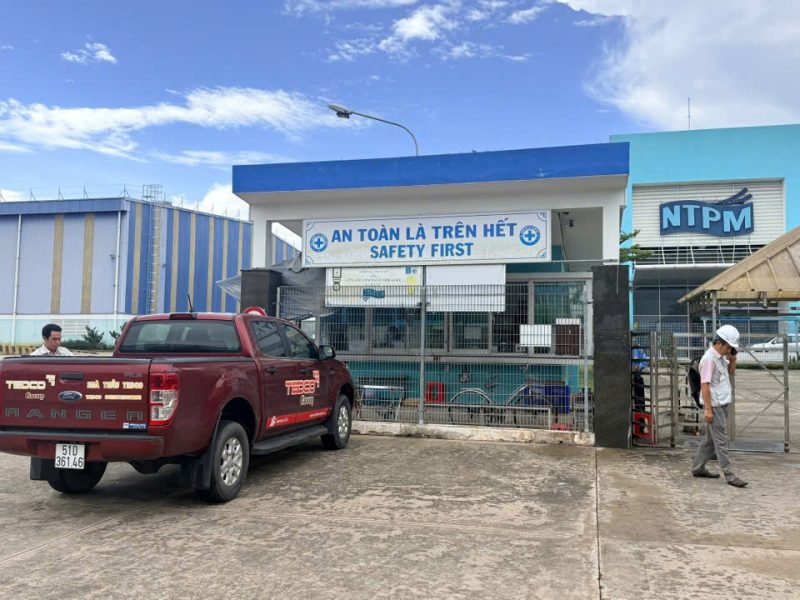
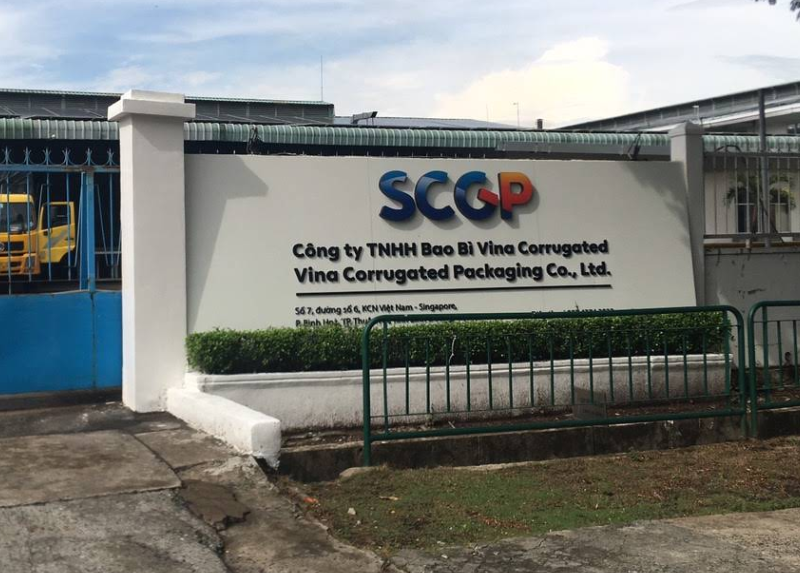


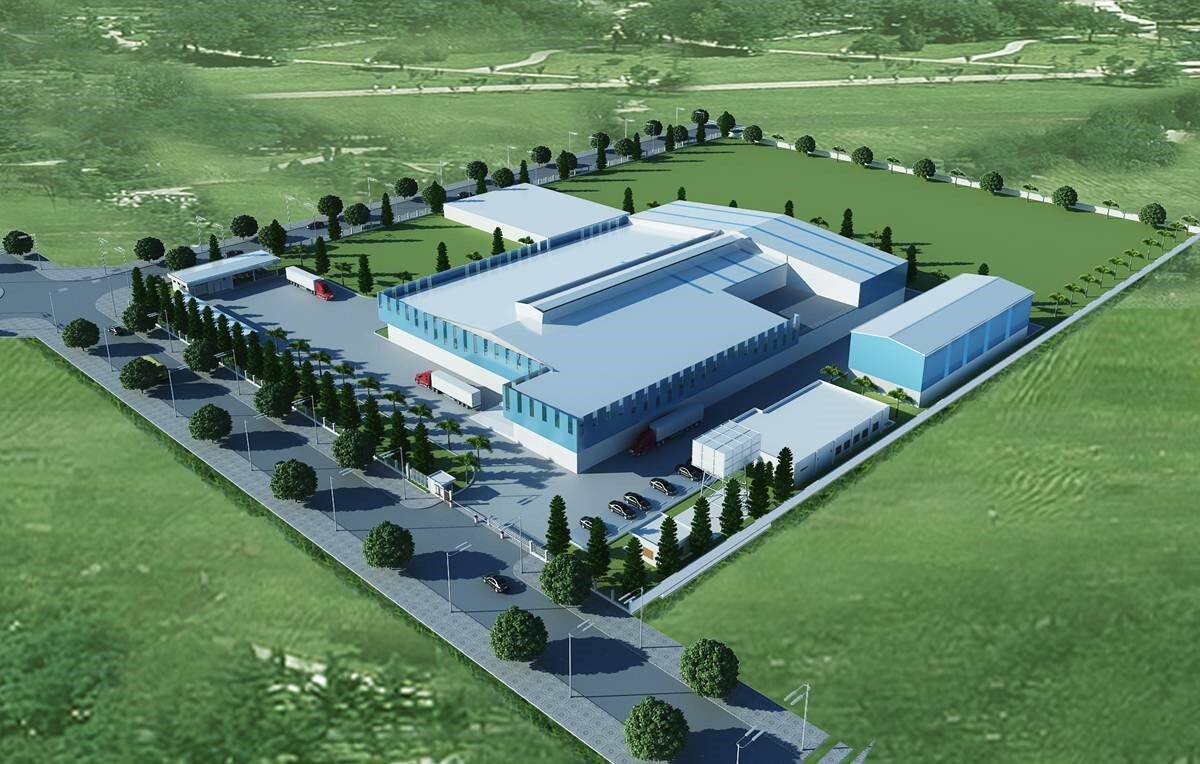


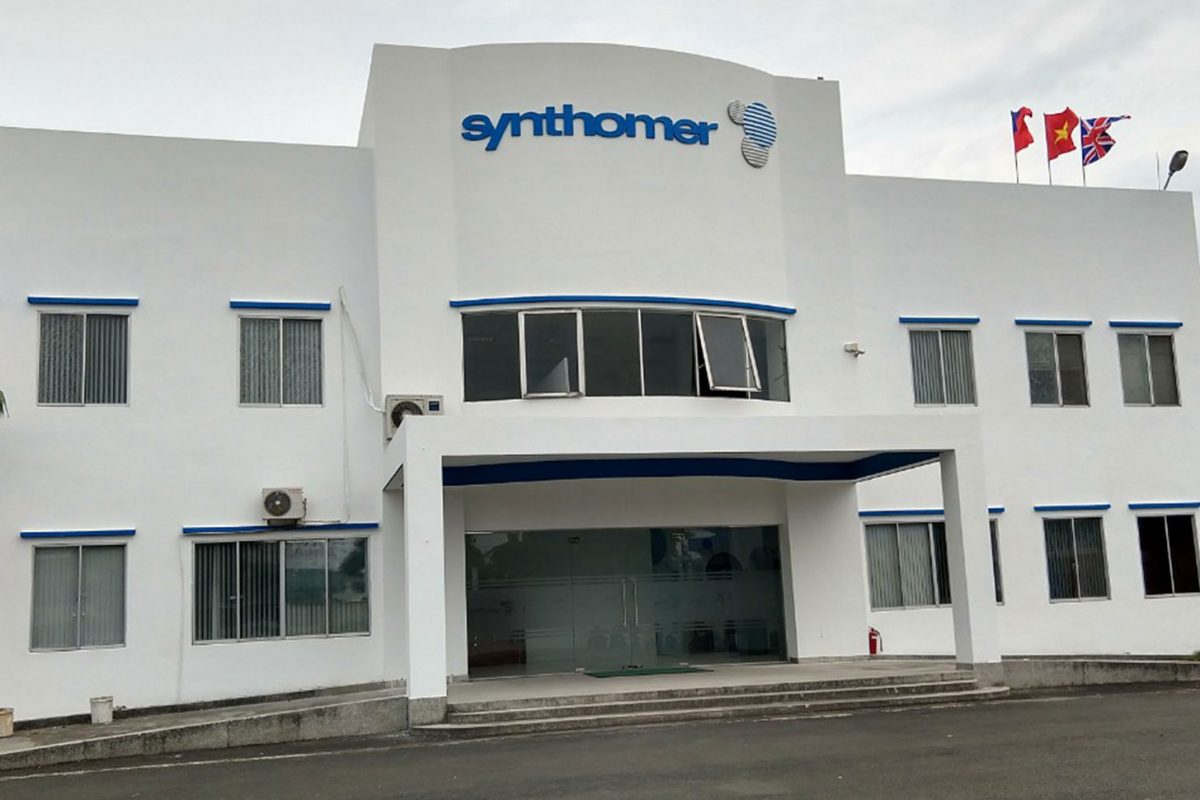


How Subcontractors Help Mitigate Risk in Complex Projects
Table of Contents
ToggleHow Subcontractors Help Mitigate Risk in Complex Projects
In this article, we explore how subcontractors help mitigate risk in complex projects, highlighting their role in providing specialized skills, enhancing scalability, and ensuring cost control.
In today’s dynamic and often unpredictable business landscape, managing complex projects requires careful planning, adaptability, and strategic partnerships. One of the most effective strategies for mitigating risk in such projects is the use of subcontractors. By leveraging the expertise and flexibility of subcontractors, businesses can distribute workload, reduce uncertainty, and enhance overall project management.

1. Access to Specialized Expertise
One of the primary ways subcontractors help mitigate risk is by providing specialized knowledge and skills that are crucial for specific phases of a complex project. Rather than attempting to build all competencies in-house, businesses can hire subcontractors who are experts in areas such as electrical systems, IT infrastructure, or engineering. These subcontractors bring a wealth of experience and technical know-how that can significantly reduce the risk of errors or delays caused by a lack of internal expertise.
For instance, in construction projects, subcontractors skilled in plumbing, electrical work, or HVAC installation ensure that these components are installed correctly and efficiently. This minimizes the risk of costly rework, safety issues, or non-compliance with regulations. Similarly, in technology projects, subcontractors with expertise in cybersecurity or cloud computing help mitigate risks related to data breaches or system failures.
2. Flexibility and Adaptability
Complex projects often involve fluctuating workloads, unforeseen challenges, and tight deadlines. Subcontractors offer the flexibility needed to scale operations up or down depending on the project’s requirements. This adaptability is essential for mitigating risks related to project delays or bottlenecks. By bringing in subcontractors at different stages of the project, businesses can adjust their resources as needed, ensuring that they meet deadlines without overburdening their internal teams.
For example, if a project encounters unexpected delays in one phase, subcontractors can be brought in to accelerate work in another phase, helping the project stay on track. This ability to adapt and redistribute resources in real time can mitigate the risk of missing deadlines or falling behind schedule, which is critical in high-stakes projects.
3. Cost Control and Budget Management
Budget overruns are a common risk in complex projects, particularly when unforeseen issues arise or additional resources are required. Subcontractors can play a significant role in helping businesses manage costs more effectively. By outsourcing specific tasks to subcontractors, businesses can avoid the high overhead costs associated with hiring full-time employees for temporary work. Subcontractors are typically paid based on the completion of specific tasks or milestones, providing a clear structure for cost management.
Additionally, subcontractors help mitigate the risk of unexpected expenses by providing accurate cost estimates and delivering work within the agreed-upon budget. Their experience in specialized areas allows them to foresee potential challenges and address them early, reducing the likelihood of cost escalation. This structured approach to cost control ensures that businesses can allocate resources efficiently and avoid the financial risks associated with budget overruns.
4. Risk Distribution and Accountability
When managing complex projects, the distribution of risk is a key factor in ensuring project success. Subcontractors help businesses spread risk by taking responsibility for specific portions of the project. By delegating tasks to subcontractors, businesses can reduce the strain on their internal teams and avoid the risks associated with attempting to handle all aspects of a project in-house.
Furthermore, the use of subcontractors includes formal contracts that outline clear expectations, deliverables, and accountability. These contracts serve as a safety net, protecting businesses from the risks associated with non-performance or substandard work. If a subcontractor fails to meet their obligations, the business can rely on legal protections within the contract to address the issue and mitigate potential project setbacks.
5. Compliance with Regulations and Standards
Compliance with industry regulations and safety standards is a significant concern in many complex projects, particularly in sectors like construction, healthcare, and technology. Non-compliance can result in fines, legal challenges, or project delays, all of which pose significant risks to the business. Subcontractors help mitigate risk in this area by bringing their knowledge of local regulations, codes, and standards to the project.
Experienced subcontractors are familiar with the specific compliance requirements of their field, ensuring that their work meets all necessary legal and safety standards. For example, a subcontractor hired for electrical work in a construction project will ensure that the installation complies with local building codes, reducing the risk of inspections resulting in costly rework or penalties. This compliance expertise helps businesses avoid the risks associated with regulatory violations and ensures that the project proceeds smoothly.
6. Enhanced Quality Assurance
Quality is a key factor in the success of any project, and poor quality can introduce significant risks in terms of rework, client dissatisfaction, and reputation damage. Subcontractors help mitigate risk by ensuring high standards of quality in the areas they specialize in. Their expertise allows them to complete tasks more effectively, reducing the likelihood of errors and defects that could otherwise derail the project.
Moreover, subcontractors often have their own quality control processes in place, providing an additional layer of assurance that the work delivered will meet the necessary standards. By incorporating subcontractors with proven track records of excellence, businesses can ensure that their projects maintain high levels of quality throughout, mitigating the risk of poor performance or client dissatisfaction.
7. Reducing Workforce Management Complexity
Managing a large workforce in complex projects can introduce risks related to human resource management, labor disputes, and personnel turnover. By subcontracting parts of the project, businesses can reduce the complexity of workforce management. Instead of hiring and managing additional full-time employees, businesses can outsource specific tasks to subcontractors who handle their own staffing, reducing the risk of internal conflicts or staffing shortages.
This approach also helps mitigate the risk of project delays due to personnel turnover, as subcontractors are responsible for maintaining their own workforce. If a subcontractor experiences staffing changes, they are obligated to ensure that replacements are quickly found without affecting the project timeline.
*Conclusion
In complex projects, the effective use of subcontractors is a powerful risk mitigation strategy. By providing specialized expertise, enhancing flexibility, ensuring cost control, and distributing risk, subcontractors help mitigate risk at every stage of a project. Additionally, subcontractors’ knowledge of compliance standards, their commitment to quality, and their ability to reduce workforce management complexity all contribute to smoother project execution and greater overall success. As businesses continue to take on more complex and large-scale projects, subcontractors will remain an essential component in managing and reducing risks, ensuring that projects are completed on time, within budget, and to the highest possible standards.
For further information, please contact:
Hotline: 093 630 7187
Công ty Cổ Phần TEDCO Việt Nam
Office: 18 Đường số 2, Phường Linh Chiểu, Quận Thủ Đức, TPHCM
Factory: 276/4 Trần Hưng Đạo, Phường Đông Hoà, Thị Xã Dĩ An, Tỉnh Bình Dương.
CN Hà Nội: Số 2.11 khu Vườn Đào X2, Uy Nỗ, Đông Anh, Hà Nội
Web: tedco.com.vn | nhathaudien.vn | mangcap.vn
Email: tedcogroup@gmail.com | info@tedco.com.vn
Written by: Phạm Đăng Khoa
- Categories:
- Kiến Thức,
- Tin Tức