Công ty TNHH Innoflow NT
Tedco cung cấp và lắp đặt tủ báo cháy Horing cho Công ty TNHH Innoflow NT
Hạng Mục: Cung cấp lắp đặt tủ điện
Vị Trí: Lô đất KT-BB, KCN Du Long, Xã Thuận Bắc, Tỉnh Khánh Hòa
Lĩnh vực: Đồ chơi, thú nhồi bông, phụ kiện trẻ em
Là doanh nghiệp sản xuất đồ chơi trẻ em, thú nhồi bông và các sản phẩm liên quan, với nhà máy tại KCN Du Long. Đây là một cơ sở sản xuất công nghiệp tương đối lớn, có hệ thống nhà xưởng và dây chuyền sản xuất riêng
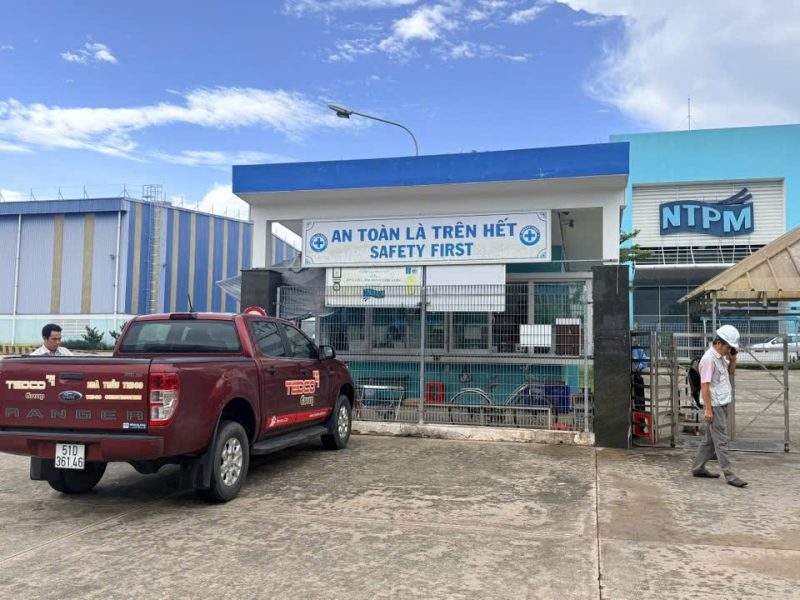
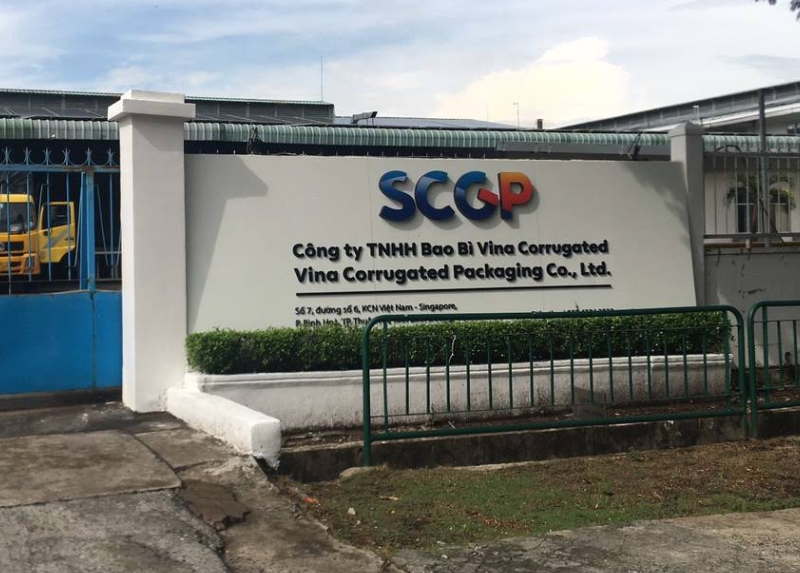


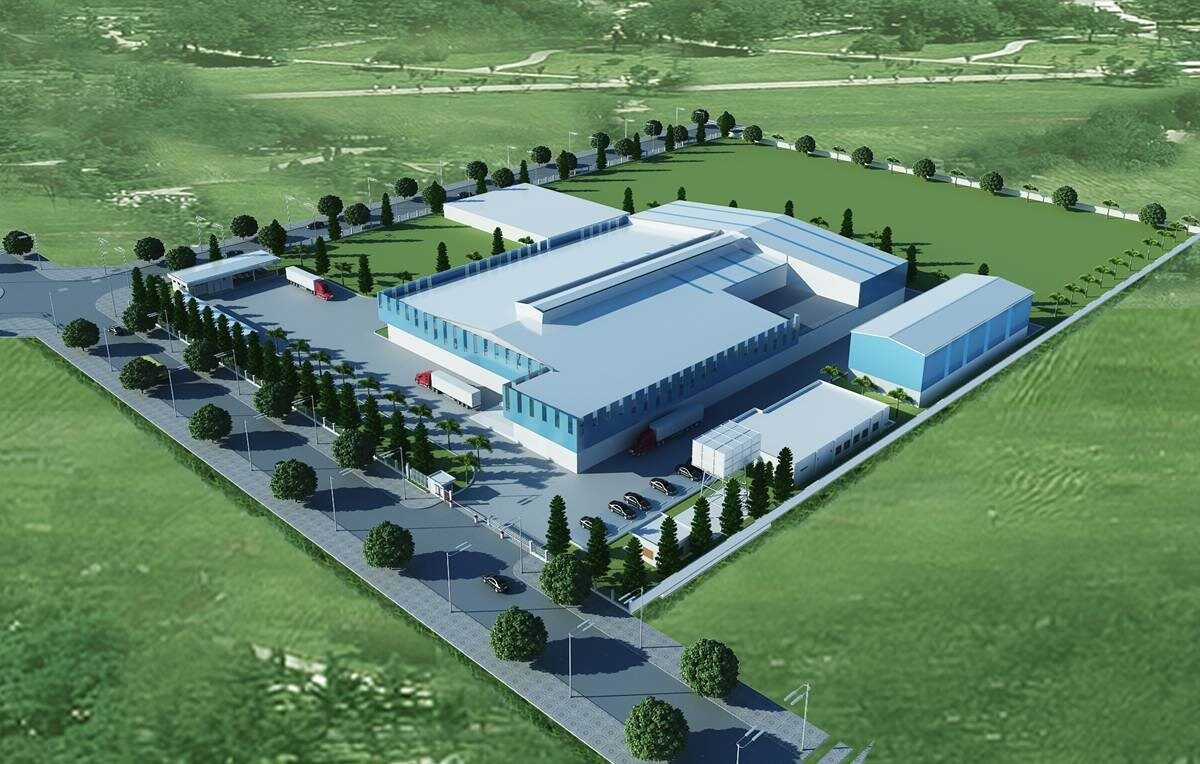


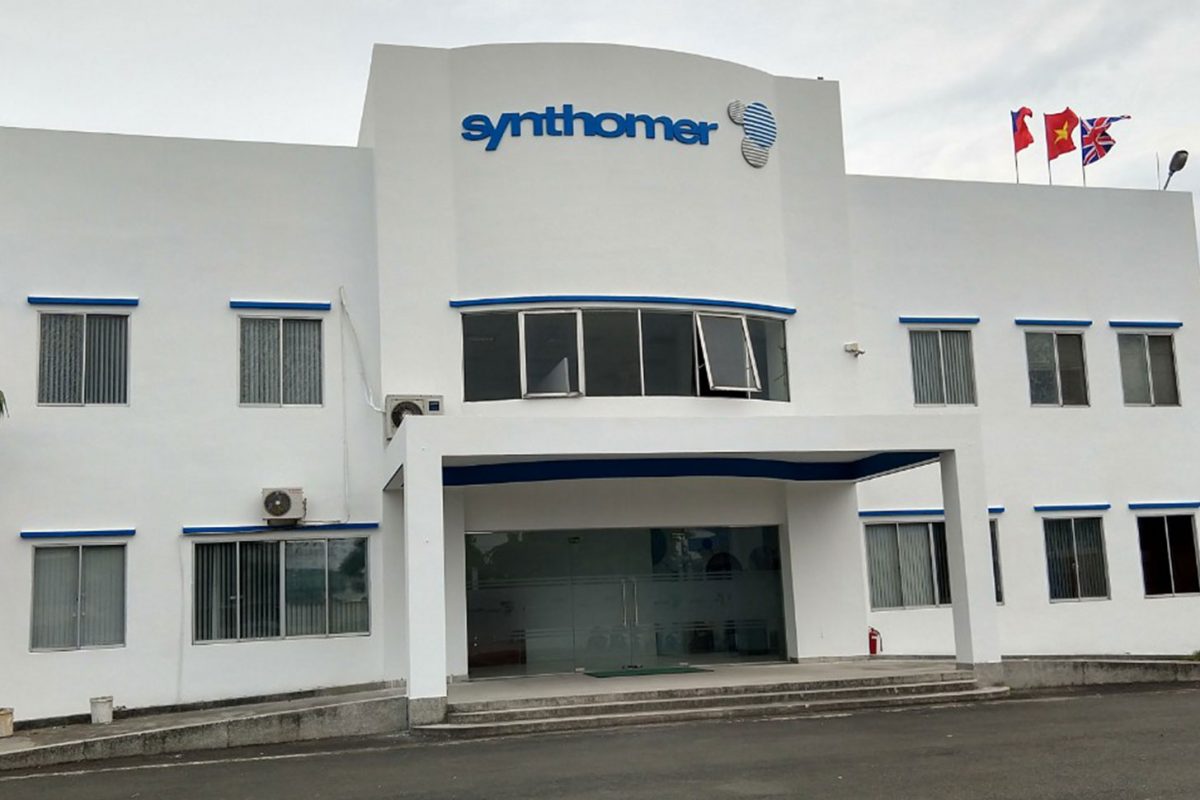


The Essential Role of Fabrication Contractors in Modern Construction


Công ty Cổ Phần TEDCO Việt Nam
Office: 18 Đường số 2, Phường Linh Chiểu, Quận Thủ Đức, TPHCM
Factory: 276/4 Trần Hưng Đạo, Phường Đông Hoà, Thị Xã Dĩ An, Tỉnh Bình Dương.
CN Hà Nội: Số 2.11 khu Vườn Đào X2, Uy Nỗ, Đông Anh, Hà Nội
Web: tedco.com.vn | nhathaudien.vn | mangcap.vn
Email: tedcogroup@gmail.com | info@tedco.com.vn
Written by: Phạm Đăng Khoa

Innovative Fabrication Contractors: Shaping the Future of Infrastructure
Innovative Fabrication Contractors: Shaping the Future of Infrastructure
In today’s fast-evolving world of infrastructure development, innovative fabrication contractors play a critical role in shaping the future of construction, energy, transportation, and industrial sectors. These professionals are responsible for turning raw materials into highly functional components that serve as the backbone of modern infrastructure projects. As technology advances, fabrication contractors are leading the charge in utilizing new methods, materials, and processes to meet the increasing demands of industries worldwide.
1. What is a Fabrication Contractor?

A fabrication contractor is a company or individual specialized in the process of cutting, bending, assembling, and shaping raw materials into products or components used in various industries, including construction, manufacturing, and energy. Fabrication contractors work with materials such as metal, plastic, and composite to create everything from structural steel for buildings to specialized equipment for factories.
Their work is essential in ensuring that projects are completed with precision, durability, and within stringent timeframes. These contractors not only provide raw material transformation but also consult on design, logistics, and installation. They are key players in transforming conceptual designs into tangible structures, thereby enabling the construction of roads, bridges, power plants, factories, and high-tech facilities.
2. The Role of Innovation in Fabrication

As infrastructure becomes more complex and the demand for sustainability increases, innovative fabrication contractors are pivotal in adapting to these changes. One significant way they contribute is by integrating advanced technology into traditional fabrication processes. Automation, robotics, and CNC (Computer Numerical Control) machining have revolutionized fabrication by improving accuracy, reducing human error, and speeding up production timelines.
Moreover, 3D printing is rapidly making its way into fabrication. Contractors can now create prototypes and even fully functional components more efficiently and cost-effectively than ever before. This shift allows for faster iteration, innovation, and customization, enabling contractors to meet the unique needs of each infrastructure project.
Another area of innovation is the use of new materials. Fabrication contractors are now working with advanced composites and lightweight metals that are stronger, more durable, and more environmentally friendly than traditional materials. These innovations not only extend the lifespan of infrastructure but also reduce its environmental impact, making the work of fabrication contractors crucial in the push for greener building practices.
3. The Importance of Fabrication Contractors in Modern Infrastructure
The success of any large-scale infrastructure project depends heavily on the fabrication contractor. These professionals are responsible for ensuring that the fabricated components are produced to exact specifications, fit perfectly within larger systems, and are built to withstand harsh environmental conditions. In sectors such as oil and gas, mining, and power generation, precision is everything, and a slight deviation can lead to catastrophic failures. Therefore, fabrication contractors must adhere to the highest standards of safety, quality, and reliability.
Their role also extends to helping companies stay competitive in a global market. Infrastructure projects today face tight deadlines, strict budgets, and complex regulatory requirements. Innovative fabrication contractors help companies meet these challenges by providing more efficient production methods, cost-effective solutions, and high-quality results.
Additionally, fabrication contractors contribute to economic growth by creating jobs, boosting local economies, and supporting industries that rely on the infrastructure they help build. Whether it’s fabricating steel beams for skyscrapers, pipelines for energy distribution, or components for renewable energy systems, these contractors are indispensable to the economy and to the advancement of modern society.
4. Challenges Faced by Fabrication Contractors

Despite their critical role in infrastructure development, fabrication contractors face several challenges. As global markets become more interconnected, competition has increased. Contractors are now expected to deliver faster, cheaper, and more sustainable solutions without compromising on quality. Additionally, the push towards digitization, automation, and greener practices has created a demand for continuous learning and investment in new technologies.
Supply chain disruptions, fluctuating material costs, and labor shortages are also common issues that fabrication contractors must navigate. The rise of global trade has made it harder to maintain consistent supplies of raw materials, and the increasing cost of these materials has squeezed profit margins. At the same time, finding skilled labor to work with advanced fabrication technologies can be difficult.
5. Looking Toward the Future
As we look to the future, innovative fabrication contractors will continue to play an essential role in the development of global infrastructure. With the rise of smart cities, renewable energy, and sustainable construction, the need for contractors who can deliver cutting-edge solutions will only increase. Fabrication contractors are at the heart of this evolution, crafting the components that make these technological advancements possible.
The adoption of technologies such as AI, machine learning, and the Internet of Things (IoT) will further transform the fabrication industry. Smart fabrication techniques will allow contractors to improve their processes, predict failures, and optimize performance in real-time, making their work even more efficient and reliable.
In conclusion, innovative fabrication contractors are shaping the future of infrastructure in profound ways. Through their expertise in material transformation, technological integration, and design collaboration, they are building the framework for a more advanced and sustainable world. Their continued evolution and adaptation will be key in addressing the growing demands of modern society.
Công ty Cổ Phần TEDCO Việt Nam
Office: 18 Đường số 2, Phường Linh Chiểu, Quận Thủ Đức, TPHCM
Factory: 276/4 Trần Hưng Đạo, Phường Đông Hoà, Thị Xã Dĩ An, Tỉnh Bình Dương.
CN Hà Nội: Số 2.11 khu Vườn Đào X2, Uy Nỗ, Đông Anh, Hà Nội
Web: tedco.com.vn | nhathaudien.vn | mangcap.vn
Email: tedcogroup@gmail.com | info@tedco.com.vn
Written by: Phạm Đăng Khoa

Fabrication Contractor: Crafting the Backbone of Modern Infrastructure


Công ty Cổ Phần TEDCO Việt Nam
Office: 18 Đường số 2, Phường Linh Chiểu, Quận Thủ Đức, TPHCM
Factory: 276/4 Trần Hưng Đạo, Phường Đông Hoà, Thị Xã Dĩ An, Tỉnh Bình Dương.
CN Hà Nội: Số 2.11 khu Vườn Đào X2, Uy Nỗ, Đông Anh, Hà Nội
Web: tedco.com.vn | nhathaudien.vn | mangcap.vn
Email: tedcogroup@gmail.com | info@tedco.com.vn
Written by: Phạm Đăng Khoa

Leading Mechanical and Electrical Contractor: TEDCO’s Impact on the Industry
Leading Mechanical and Electrical Contractor: TEDCO’s Impact on the Industry
As a leading mechanical and electrical contractor, TEDCO has established itself as one of the top companies in the field of installation, maintenance, and repair of electrical and mechanical systems. Since its founding in 2014, TEDCO has been a trusted partner for businesses across Vietnam, delivering exceptional services and products through a team of experienced and dedicated engineers and technicians.

1. TEDCO’s Comprehensive Service Offering

TEDCO offers a broad range of services and products that cater to a variety of industries, from manufacturing to construction and beyond. Their expertise spans several key areas, including:
- Production of Electrical Cabinets: TEDCO specializes in manufacturing high-quality electrical cabinets, a critical component in controlling and distributing electrical power in industrial and commercial settings.
- Cable Tray and Trunking Production: The company designs and produces cable trays and trunking systems, essential for managing and protecting electrical wiring in complex installations.
- Electrical Cabinet Installation: TEDCO provides expert installation of electrical cabinets, ensuring safe and efficient distribution of electrical power in facilities.
- Cable Tray Installation: Their team installs cable tray systems, which play a vital role in the safe and organized routing of cables in industrial environments.
- Lighting System Installation: TEDCO offers lighting system installation services, ensuring optimal lighting solutions for both commercial and industrial projects.
- Camera System Installation: With growing demand for surveillance and security, TEDCO installs both traditional and IP camera systems, helping businesses secure their assets.
- Residential and Industrial Electrical Systems: The company handles electrical installations for both residential buildings and large-scale industrial facilities, ensuring compliance with safety standards and efficiency.
- Air Conditioning and Refrigeration Systems: TEDCO installs and maintains HVAC systems for buildings, factories, and other facilities, providing essential temperature control solutions.
- PLC, HMI, and SCADA Programming: TEDCO also offers specialized programming services for industrial automation systems, helping businesses enhance operational efficiency.
2. Diverse Products and Solutions

In addition to its wide range of services, TEDCO supplies various products that cater to the specific needs of different industries. Some of these products include:
- Japanese NEOSEAL Clay
- Japanese PLASEAL E189 Clay
- Japanese PLASEAL UF23 Clay
- Fire-Resistant Clay (Plaseal NF-12HM)
- Cam Insulating Sheet
- Brown Insulating Sheet
- POM Plastic
TEDCO’s ability to provide such a diverse range of products and services is a key reason why it has been trusted by both domestic and international businesses for many high-profile projects in Vietnam.
3. Proven Track Record of Success
TEDCO’s success is reflected in its impressive portfolio of completed projects. Over the years, TEDCO has consistently delivered high-quality results for its clients, contributing to its strong reputation in the industry. For instance, in 2016 alone, the company completed more than 170 projects. This success continued in the following years, with over 130 projects in 2017, more than 170 projects in 2018, and 90 projects completed by mid-2019.
4. Commitment to Quality and Customer Satisfaction
TEDCO’s commitment to excellence is demonstrated through its philosophy of “Quality is the best for every project.” The company strives to provide top-tier products and services that meet the highest industry standards, ensuring maximum client satisfaction. By focusing on quality and customer service, TEDCO has built long-lasting relationships with its clients, many of whom continue to choose TEDCO for their most critical projects.
5. Nationwide Coverage and Versatility
One of TEDCO’s greatest strengths is its ability to serve clients across Vietnam. The company has carried out projects in numerous provinces and regions, including major industrial hubs like Ho Chi Minh City, Binh Duong, Binh Phuoc, and Dong Nai. TEDCO has also worked in key industrial zones such as VSIP I, VSIP II, Tan Thuan Export Processing Zone, Amata Industrial Park, and Phu My Industrial Park.
In the Mekong Delta, TEDCO has been involved in projects in provinces like Vinh Long, Can Tho, Bac Lieu, Ben Tre, Long Xuyen, and Phu Quoc. In the central region of Vietnam, TEDCO has completed projects in Da Nang, Hue, Binh Dinh, Quang Ngai, Thanh Hoa, and Phu Yen. The company has also worked on projects in northern Vietnam, including Hanoi, Hung Yen, Hai Duong, Hai Phong, and Dinh Vu Industrial Park.
6. Conclusion
As a leading mechanical and electrical contractor, TEDCO’s impact on Vietnam’s infrastructure and industrial development is undeniable. Their dedication to quality, vast experience, and comprehensive service offerings have made them a preferred choice for businesses across the country. Whether it’s electrical cabinet manufacturing, HVAC system installation, or automation programming, TEDCO continues to set the standard for excellence in the M&E industry.
Công ty Cổ Phần TEDCO Việt Nam
Office: 18 Đường số 2, Phường Linh Chiểu, Quận Thủ Đức, TPHCM
Factory: 276/4 Trần Hưng Đạo, Phường Đông Hoà, Thị Xã Dĩ An, Tỉnh Bình Dương.
CN Hà Nội: Số 2.11 khu Vườn Đào X2, Uy Nỗ, Đông Anh, Hà Nội
Web: tedco.com.vn | nhathaudien.vn | mangcap.vn
Email: tedcogroup@gmail.com | info@tedco.com.vn
Written by: Phạm Đăng Khoa

Panel Manufacturers Unveiled: Why Their Work Is Key to Infrastructure Success


Công ty Cổ Phần TEDCO Việt Nam
Office: 18 Đường số 2, Phường Linh Chiểu, Quận Thủ Đức, TPHCM
Factory: 276/4 Trần Hưng Đạo, Phường Đông Hoà, Thị Xã Dĩ An, Tỉnh Bình Dương.
CN Hà Nội: Số 2.11 khu Vườn Đào X2, Uy Nỗ, Đông Anh, Hà Nội
Web: tedco.com.vn | nhathaudien.vn | mangcap.vn
Email: tedcogroup@gmail.com | info@tedco.com.vn
Written by: Phạm Đăng Khoa

The Role of an Installation Contractor: What It Is and Why It’s Essential
Công ty Cổ Phần TEDCO Việt Nam
Office: 18 Đường số 2, Phường Linh Chiểu, Quận Thủ Đức, TPHCM
Factory: 276/4 Trần Hưng Đạo, Phường Đông Hoà, Thị Xã Dĩ An, Tỉnh Bình Dương.
CN Hà Nội: Số 2.11 khu Vườn Đào X2, Uy Nỗ, Đông Anh, Hà Nội
Web: tedco.com.vn | nhathaudien.vn | mangcap.vn
Email: tedcogroup@gmail.com | info@tedco.com.vn
Written by: Phạm Đăng Khoa

Installation Contractors: Key Players in Modern Infrastructure Development
Installation Contractors: Key Players in Modern Infrastructure Development

In today’s fast-paced world, installation contractors play a critical role in ensuring that construction and infrastructure projects are completed efficiently and on time. Whether it’s a residential development, an industrial facility, or a large-scale commercial building, installation contractors are responsible for bringing complex systems to life. From mechanical and electrical installations to plumbing, HVAC, and more, these specialists ensure that every component is installed according to exact specifications, safety regulations, and industry standards.
This article delves into the importance of installation contractors, the range of services they provide, and how they contribute to the success of various projects across multiple sectors.
1.The Role of Installation Contractors in Construction

At the heart of any construction project is the need for professional installation services. Installation contractors are tasked with installing and integrating the technical systems that allow a building to function properly. Their expertise is required to ensure that systems like heating, ventilation, air conditioning (HVAC), electrical wiring, plumbing, and more are installed correctly.
For example, in a commercial building, an installation contractor may be responsible for ensuring that the electrical wiring is safe, efficient, and scalable for future upgrades. In a manufacturing facility, they might install complex machinery and ensure that all systems meet stringent safety and operational standards. The contractor’s work doesn’t end after the systems are in place—they also conduct rigorous testing to ensure everything operates smoothly.
2. Types of Services Provided by Installation Contractors

Installation contractors offer a wide range of services tailored to the specific needs of their clients. Here are some of the most common types of installations handled by these professionals:
- Electrical Installations: Installation contractors in this field are responsible for setting up all electrical systems, from power distribution panels to lighting and communications infrastructure. They ensure compliance with electrical codes and work to minimize energy consumption through efficient design and installation practices.
- HVAC Systems: One of the most vital services provided by installation contractors is the installation of heating, ventilation, and air conditioning systems. Whether it’s a simple residential HVAC system or a complex, multi-zone commercial setup, these systems are crucial for maintaining temperature control and air quality.
- Plumbing: Installation contractors are also often responsible for plumbing systems, ensuring that water supply lines, drainage systems, and waste disposal mechanisms are installed properly. Faulty plumbing can lead to significant long-term damage, so their role is critical in safeguarding the integrity of any structure.
- Fire and Safety Systems: Fire alarms, sprinklers, and emergency lighting systems are all essential components of building safety. Installation contractors ensure these systems are correctly placed, meet local safety regulations, and function as intended during an emergency.
- Mechanical Systems: For industries that rely on heavy machinery, installation contractors play a crucial role in setting up mechanical systems. This includes not only the physical installation of equipment but also the integration of control systems that monitor and optimize performance.
3. Why Hiring the Right Installation Contractor Matters
Choosing the right installation contractor is essential for the success of any project. The best contractors bring a wealth of experience and knowledge to the table, ensuring that each system is installed efficiently, safely, and in compliance with relevant regulations. A poorly installed system can result in costly repairs, delays, or even safety hazards down the line, making it essential to invest in a contractor with a proven track record.
For instance, in large-scale projects such as shopping malls, hospitals, or industrial complexes, coordination between different trades (electrical, plumbing, HVAC) is crucial. A professional installation contractor will not only be skilled in their specific trade but will also be able to work seamlessly with other contractors to ensure that the overall project moves forward without unnecessary delays.
Additionally, many installation contractors offer ongoing maintenance services after the initial installation. This is important because even the best-installed systems require regular upkeep to continue performing efficiently. Regular maintenance also extends the lifespan of these systems, providing long-term cost savings for the project owners.
4. Technological Advancements and Innovation
The role of installation contractors is evolving as technology advances. Automation, smart building systems, and the Internet of Things (IoT) are becoming more prevalent in both residential and commercial buildings. These innovations require a new level of expertise from contractors, who must be able to install and configure advanced systems that integrate everything from climate control to lighting and security.
For example, smart HVAC systems use IoT technology to adjust temperature settings in real-time based on occupancy and usage patterns. Installation contractors must be adept at setting up these systems and ensuring that they integrate smoothly with other building systems.
Moreover, as environmental sustainability becomes a priority in construction, installation contractors are increasingly focusing on energy-efficient solutions. Whether it’s installing solar panels, energy-saving LED lighting, or eco-friendly HVAC systems, contractors play a pivotal role in helping clients reduce their carbon footprint while cutting down on energy costs.
5. Conclusion: Installation Contractors as Essential Partners
In summary, installation contractors are indispensable to the successful completion of construction and infrastructure projects. Their expertise ensures that all essential systems are installed correctly and perform efficiently, laying the foundation for a safe and functional environment. Whether working on a small residential building or a sprawling industrial complex, installation contractors are the unsung heroes who bring projects to life.
As technology continues to advance and sustainability becomes a greater focus, the role of installation contractors will only grow more important. By selecting the right contractor, project owners can ensure that their systems are built to last, operate safely, and provide the best possible performance.
Công ty Cổ Phần TEDCO Việt Nam
Office: 18 Đường số 2, Phường Linh Chiểu, Quận Thủ Đức, TPHCM
Factory: 276/4 Trần Hưng Đạo, Phường Đông Hoà, Thị Xã Dĩ An, Tỉnh Bình Dương.
CN Hà Nội: Số 2.11 khu Vườn Đào X2, Uy Nỗ, Đông Anh, Hà Nội
Web: tedco.com.vn | nhathaudien.vn | mangcap.vn
Email: tedcogroup@gmail.com | info@tedco.com.vn
Written by: Phạm Đăng Khoa

Top 5 Reputable Contractors in Vietnam
Top 5 Reputable Contractors in Vietnam
Reputable Contractors in Vietnam have played a crucial role in the country’s rapidly growing construction and infrastructure development over the past decade. Driven by increased urbanization, industrialization, and foreign investments, the demand for high-quality contractors who can handle large-scale projects with professionalism and efficiency has never been greater. Here’s a look at five of the most reputable contractors in Vietnam, who have been at the forefront of this growth, including the notable TEDCO, a leading mechanical and electrical contractor.
1.TEDCO Mechanical and Electrical Contractor

Ranked at number six is TEDCO, one of Vietnam’s leading mechanical and electrical contractors. Founded in 2014, TEDCO has grown quickly due to its commitment to excellence and the wide array of services it provides. With a team of experienced engineers and dedicated staff, TEDCO has delivered numerous high-quality projects across Vietnam, particularly in the industrial and commercial sectors.
TEDCO’s Services:
TEDCO provides comprehensive services in the design, installation, and maintenance of mechanical and electrical systems. Some of their key services include:
- Electrical cabinet production
- Cable tray manufacturing and installation
- Electrical and industrial lighting systems
- Installation of IP camera systems
- Civil and industrial electrical works
- Electrical panel repairs and upgrades
- HVAC installation
- Transformer station installations
- Programming and automation (PLC, HMI, SCADA)
In addition to these services, TEDCO also provides unique products such as Japanese NEOSEAL and PLASEAL sealants, as well as insulation materials like cam and brown insulation boards and POM plastics.
- TEDCO’s Achievements:
Since its establishment, TEDCO has handled over 500 projects, ranging from industrial complexes to high-tech factories and residential buildings. In 2016 alone, the company completed more than 170 projects, and by mid-2019, TEDCO had already finished 90 projects. Their reliability and commitment to customer satisfaction have made them the go-to contractor for many businesses across Vietnam, including both domestic and foreign-invested enterprises.
TEDCO has also expanded its operations throughout Vietnam, providing services in key industrial zones such as VSIP I and II, Tân Thuận Export Processing Zone, and Amata Industrial Park. The company has projects spread across southern, central, and northern Vietnam, including cities like Hồ Chí Minh, Bình Dương, Đà Nẵng, Hà Nội, and Hải Phòng.
- Commitment to Quality:
TEDCO’s success is built on its commitment to its core value: “Quality is the best for every project”. This motto drives the company to consistently deliver outstanding work, ensuring that all products and services meet the highest industry standards.
2. Coteccons Construction Corporation

Coteccons is arguably one of the most well-known and respected construction companies in Vietnam. Established in 2004, Coteccons has been responsible for some of the most iconic developments in the country, including luxury hotels, high-rise residential buildings, and industrial complexes. The company’s commitment to innovation, sustainable building practices, and high-quality construction has earned it numerous awards and recognition.
Their notable projects include Landmark 81, the tallest building in Southeast Asia, and several luxury resorts and industrial parks. Coteccons’ strong reputation stems from its ability to deliver complex projects on time, while adhering to international safety and quality standards.
3. Hoa Binh Construction Group

Founded in 1987, Hoa Binh Construction Group is another major player in Vietnam’s construction industry. The company specializes in civil, industrial, and infrastructure construction, providing comprehensive solutions from design and project management to construction and post-construction services.
Hoa Binh’s portfolio is diverse, including projects in the residential, commercial, and hospitality sectors. Some of their key projects include the Saigon South Residences, Times City, and Marriott Hotels. With a focus on green construction and environmentally friendly building materials, Hoa Binh is highly regarded for its sustainability efforts and cutting-edge construction technology.
4. Delta Civil and Industrial Construction

Delta Group has established itself as one of the leading contractors in Vietnam, particularly in the field of civil and industrial construction. Since its founding in 1993, Delta has contributed to many large infrastructure projects such as bridges, roads, factories, and power plants. The company is recognized for its technical expertise, strong workforce, and focus on ensuring the structural integrity and durability of the projects they undertake.
Delta Group’s long-standing commitment to quality and safety has earned it an excellent reputation in Vietnam and the Southeast Asia region. The company has also made significant strides in building industrial parks and high-end residential areas.
5. Unicons Corporation

Unicons is a subsidiary of Coteccons Group and focuses primarily on civil, industrial, and commercial construction projects. Although a younger company compared to other leading contractors, Unicons has quickly gained recognition for its ability to execute complex construction projects with efficiency and precision.
Some of its notable projects include office buildings, hotels, and large factories. Unicons emphasizes sustainability and has adopted numerous eco-friendly construction techniques, making it one of the top contractors chosen for green building initiatives in Vietnam.
*Conclusion
Vietnam’s rapid economic growth and urbanization have created a booming construction industry, where contractors play a pivotal role. Companies like TEDCO, Coteccons, Hoa Binh, Delta and Unicons are leading the way, delivering high-quality projects that contribute to the country’s development. TEDCO, in particular, stands out for its expertise in mechanical and electrical systems, making it a trusted partner for businesses across Vietnam. As Vietnam continues to grow, these reputable contractors will remain at the forefront of the country’s infrastructure and industrial advancements.
Công ty Cổ Phần TEDCO Việt Nam
Office: 18 Đường số 2, Phường Linh Chiểu, Quận Thủ Đức, TPHCM
Factory: 276/4 Trần Hưng Đạo, Phường Đông Hoà, Thị Xã Dĩ An, Tỉnh Bình Dương.
CN Hà Nội: Số 2.11 khu Vườn Đào X2, Uy Nỗ, Đông Anh, Hà Nội
Web: tedco.com.vn | nhathaudien.vn | mangcap.vn
Email: tedcogroup@gmail.com | info@tedco.com.vn
Written by: Phạm Đăng Khoa

The Integral Contribution of Panel Manufacturers to Industrial Progress
Công ty Cổ Phần TEDCO Việt Nam
Office: 18 Đường số 2, Phường Linh Chiểu, Quận Thủ Đức, TPHCM
Factory: 276/4 Trần Hưng Đạo, Phường Đông Hoà, Thị Xã Dĩ An, Tỉnh Bình Dương.
CN Hà Nội: Số 2.11 khu Vườn Đào X2, Uy Nỗ, Đông Anh, Hà Nội
Web: tedco.com.vn | nhathaudien.vn | mangcap.vn
Email: tedcogroup@gmail.com | info@tedco.com.vn
Written by: Phạm Đăng Khoa

The Critical Role of Panel Manufacturers in Modern Technology
The Critical Role of Panel Manufacturers in Modern Technology
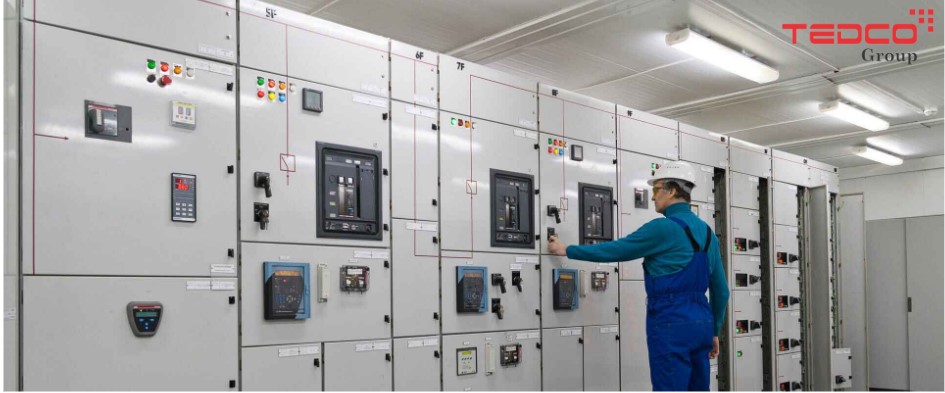
In today’s fast-paced industrial and technological world, panel manufacturers play a vital role in ensuring the smooth operation of electrical systems across a wide range of industries. From automation in factories to energy distribution in power plants, the work of panel manufacturers provides the essential backbone for controlling and managing complex electrical processes. Their products ensure safety, efficiency, and reliability, making them indispensable to the functioning of modern infrastructure.

1. Who Are Panel Manufacturers?
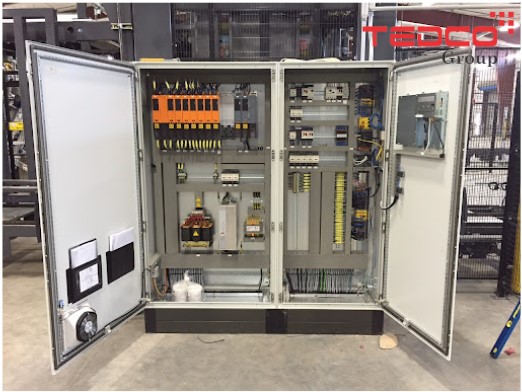
Panel manufacturers specialize in the design and production of electrical control panels that manage power distribution, control machinery, and oversee automated systems. These panels are the nerve centers of industrial operations, enabling businesses to operate machinery, control production lines, and manage power systems safely and efficiently. Whether it’s a small-scale operation or a massive industrial complex, the role of a panel manufacturer is to deliver a custom-built solution that meets the specific needs of each project.
2. The Manufacturing Process: From Design to Implementation

Creating an electrical panel involves a multi-step process, starting with design and ending with installation and testing. Panel manufacturers work closely with engineers and clients to design panels that meet the unique requirements of each system.
- Design and Specification: A panel manufacturer begins by analyzing the electrical requirements of the project. This involves determining the size of the panel, the type of control systems required, and ensuring that the design adheres to safety regulations.
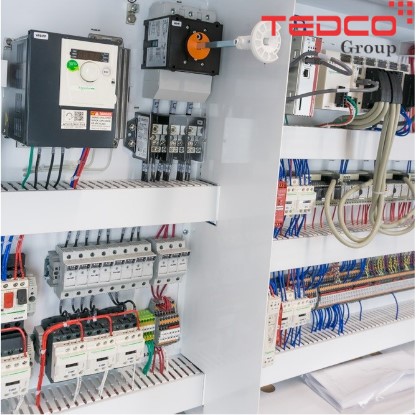
- Component Sourcing: Once the design is finalized, manufacturers source high-quality components such as circuit breakers, relays, switches, and wiring to ensure the panel operates reliably and efficiently.
- Assembly: Skilled technicians then assemble the panels according to the design specifications, ensuring that all parts are correctly installed and functioning together as a cohesive system.
- Testing and Quality Control: Before installation, the panel undergoes rigorous testing to ensure it meets safety standards and operates as expected. This step is crucial in preventing future system failures and ensuring the long-term reliability of the panel.
3. The Importance of Customization
One of the most critical aspects of a panel manufacturer’s job is the ability to customize solutions. Every industrial operation has unique power and control needs, and a standard panel often won’t suffice. Whether it’s controlling complex machinery on an assembly line or managing renewable energy inputs, customization is key to ensuring that the system operates seamlessly. Custom panels allow manufacturers to provide highly specific configurations, helping businesses meet their operational and regulatory needs effectively.
4. The Role of Panel Manufacturers in Energy Efficiency
In today’s environmentally conscious world, energy efficiency is more critical than ever. Panel manufacturers are at the forefront of designing systems that not only optimize energy usage but also support sustainability initiatives. By incorporating advanced technologies, such as automated energy management systems, smart meters, and renewable energy controls, panel manufacturers help businesses reduce their energy consumption and carbon footprint.
For example, panels designed to manage solar or wind power inputs require sophisticated systems to ensure that the energy is harnessed efficiently and integrated into the grid. Manufacturers are developing panels that enable energy storage, conversion, and distribution with minimal losses, ensuring that businesses can maximize their use of renewable energy.
5. The Challenges and Opportunities Facing Panel Manufacturers

While panel manufacturers are indispensable to industrial growth, they face several challenges. One of the biggest is keeping up with the rapid advancements in technology. With the rise of automation, smart factories, and renewable energy solutions, manufacturers must constantly innovate to meet the growing demands of the industry.
- Technology Integration: As systems become more interconnected and intelligent, panel manufacturers need to incorporate cutting-edge technologies like IoT (Internet of Things) sensors, real-time monitoring, and automation controls. These innovations help businesses monitor their systems remotely and improve overall efficiency.
- Regulatory Compliance: Another challenge is navigating the complex landscape of safety and regulatory standards, which vary by region and industry. Panel manufacturers must ensure that their designs not only function effectively but also comply with strict industry regulations to avoid costly fines and project delays.
Despite these challenges, there are immense opportunities for growth in the panel manufacturing industry. As industries continue to embrace automation, sustainability, and digitalization, the demand for highly customized, efficient, and smart control panels is on the rise. Panel manufacturers who can adapt to these changing trends and offer innovative solutions are well-positioned to thrive.
6. The Future of Panel Manufacturing
The future of panel manufacturing is closely tied to technological advancements and the push for sustainability. As industries shift towards more automated and energy-efficient systems, panel manufacturers will need to innovate continually. Some of the trends shaping the future of the industry include:
- Smart Panels: These panels are designed to integrate with IoT systems, allowing businesses to monitor and control their electrical systems remotely. Smart panels can provide real-time data on energy usage, system performance, and potential faults, enabling proactive maintenance and reducing downtime.
- Sustainable Solutions: With the global push towards renewable energy, manufacturers are focusing on creating panels that optimize the use of renewable resources like solar and wind. These panels must handle the unique challenges of integrating renewable energy into existing grids and managing energy storage systems efficiently.
- Modular Designs: As industries require more flexibility, modular panel designs are becoming increasingly popular. These designs allow businesses to expand or modify their electrical systems without the need for a complete overhaul, making it easier to adapt to changing operational needs.
7. Conclusion
Panel manufacturers are the unsung heroes of modern industries, providing the essential infrastructure for managing complex electrical systems. Their work ensures that businesses operate efficiently, safely, and sustainably, whether it’s through managing power distribution, controlling automation systems, or integrating renewable energy. As industries continue to evolve and embrace new technologies, the role of panel manufacturers will only become more critical, driving innovation and shaping the future of energy management and industrial control.
Công ty Cổ Phần TEDCO Việt Nam
Office: 18 Đường số 2, Phường Linh Chiểu, Quận Thủ Đức, TPHCM
Factory: 276/4 Trần Hưng Đạo, Phường Đông Hoà, Thị Xã Dĩ An, Tỉnh Bình Dương.
CN Hà Nội: Số 2.11 khu Vườn Đào X2, Uy Nỗ, Đông Anh, Hà Nội
Web: tedco.com.vn | nhathaudien.vn | mangcap.vn
Email: tedcogroup@gmail.com | info@tedco.com.vn
Written by: Phạm Đăng Khoa