Công ty TNHH Innoflow NT
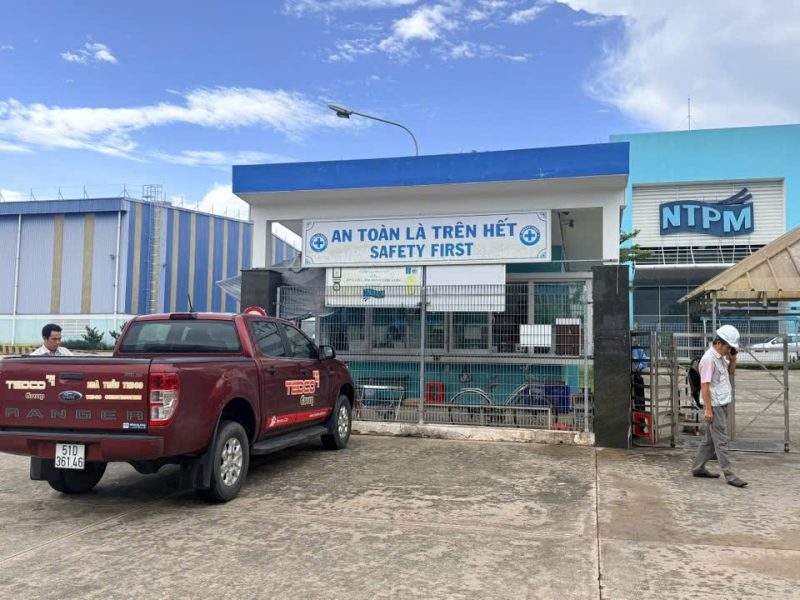
Tedco cung cấp và lắp đặt tủ báo cháy Horing cho Công ty TNHH Innoflow NT
Hạng Mục: Cung cấp lắp đặt tủ điện
Vị Trí: Lô đất KT-BB, KCN Du Long, Xã Thuận Bắc, Tỉnh Khánh Hòa
Lĩnh vực: Đồ chơi, thú nhồi bông, phụ kiện trẻ em
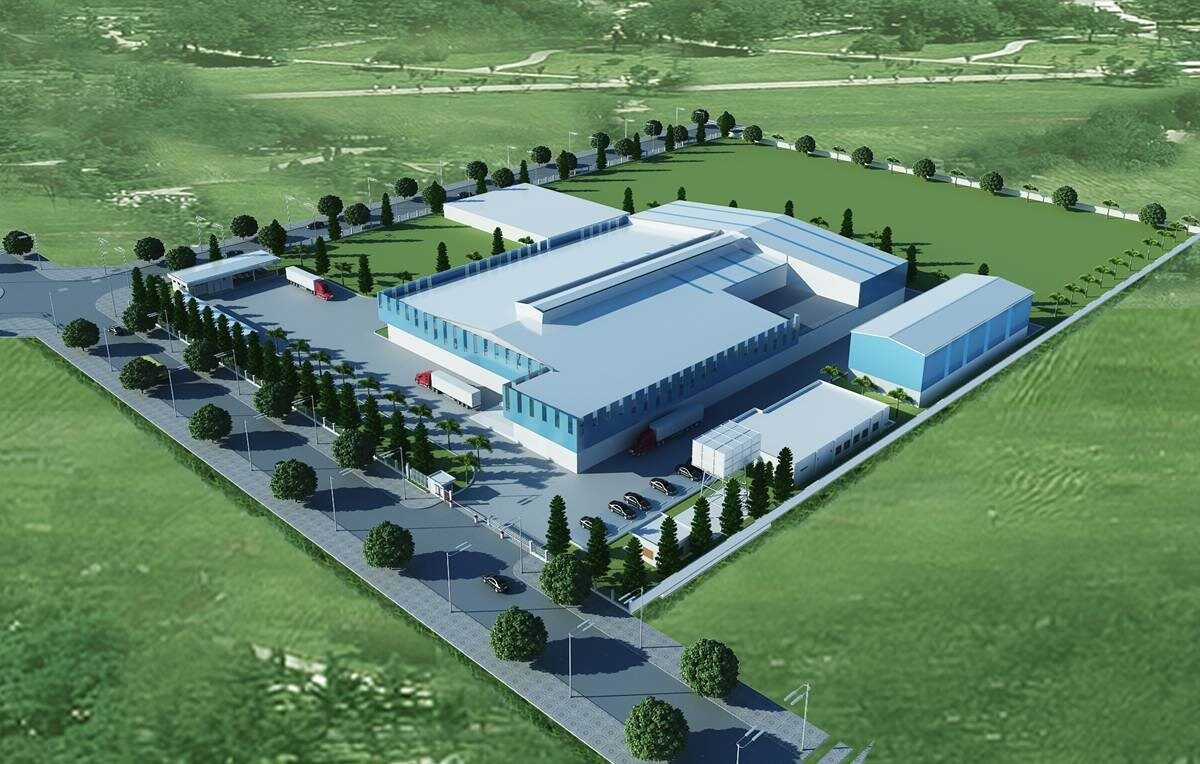
Là doanh nghiệp sản xuất đồ chơi trẻ em, thú nhồi bông và các sản phẩm liên quan, với nhà máy tại KCN Du Long. Đây là một cơ sở sản xuất công nghiệp tương đối lớn, có hệ thống nhà xưởng và dây chuyền sản xuất riêng







Thẻ: The Role of an Installation Contractor: What It Is and Why It’s Essential

The Role of an Installation Contractor: What It Is and Why It’s Essential
The Role of an Installation Contractor: What It Is and Why It’s Essential
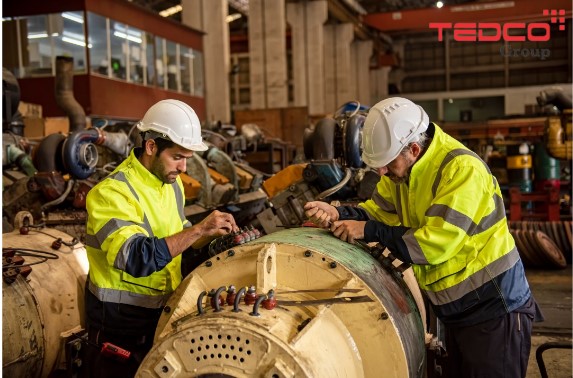
The role of an installation contractor is a critical component in the construction and infrastructure industries. These professionals are responsible for installing a wide range of systems, including electrical wiring, plumbing, HVAC (heating, ventilation, and air conditioning), security systems, and more. Their expertise ensures that the operational systems in any building or industrial facility are installed correctly, safely, and in line with industry regulations. Without the key role of installation contractors, even the most carefully designed projects could encounter failures due to improper or inefficient installations.
In this article, we’ll explore the role of an installation contractor, the services they provide, and why their involvement is indispensable in modern construction projects.
1. What is an Installation Contractor?
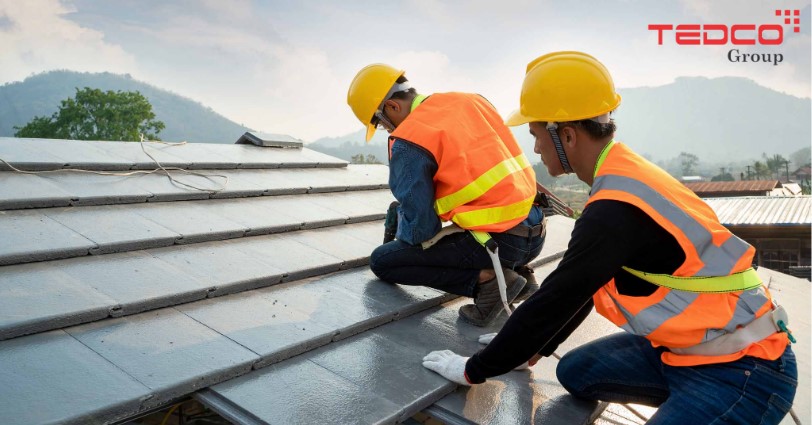
At its core, the role of an installation contractor involves managing and implementing the installation of various systems in buildings, industrial sites, or infrastructure projects. These professionals handle the installation of:
- Electrical systems (wiring, lighting, power distribution)
- HVAC systems (heating, ventilation, air conditioning)
- Plumbing systems (water supply, drainage, waste disposal)
- Security systems (cameras, alarms, access control)
- Communication systems (internet cabling, phone lines)
- Fire protection systems (sprinklers, alarms)
The role of an installation contractor is essential in ensuring that all systems are installed according to design specifications, building codes, and safety regulations. Their work ranges from simple residential installations to complex industrial setups where various systems must seamlessly integrate.
2. Why Is the Role of an Installation Contractor Essential?
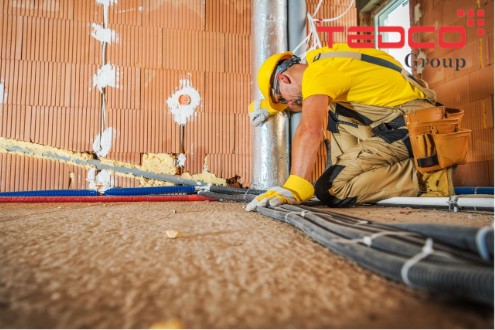
The role of an installation contractor is crucial to the success of any construction or infrastructure project for several reasons. Below are the key reasons why their involvement is critical:
- 1. Technical Expertise
One of the primary reasons the role of an installation contractor is so essential is their specialized technical knowledge. Modern buildings and facilities contain intricate systems that require expert installation. Electrical, plumbing, HVAC, and security systems are complex and must be installed by professionals who understand their detailed technical requirements. A mistake in installation can lead to inefficiencies, malfunctions, or even dangerous conditions like electrical fires or water damage.
Installation contractors have the experience and training to ensure these systems are installed safely and correctly. Their technical expertise also allows them to anticipate and avoid issues that could lead to costly repairs or safety hazards.
- 2. Ensuring Safety and Compliance
Another key aspect of the role of an installation contractor is ensuring safety and regulatory compliance. These professionals are well-versed in building codes, safety regulations, and industry standards. Whether they are installing electrical systems that must meet specific voltage requirements or HVAC systems that need to adhere to energy efficiency standards, installation contractors make sure that all systems are compliant with local and national safety codes.
Failure to meet these standards can result in legal complications, costly fines, or, worse, unsafe conditions that endanger lives. The role of an installation contractor is crucial in mitigating these risks by strictly following all safety guidelines and conducting thorough inspections of their work.
- 3. Project Efficiency and Coordination
The role of an installation contractor goes beyond just technical work—they also play a key part in ensuring efficient project execution. Large-scale projects require the coordination of multiple trades such as electrical, plumbing, and HVAC installations. Contractors work closely with architects, engineers, and general contractors to ensure the project is completed efficiently and according to the set timeline.
Their expertise in planning and executing installation processes helps prevent delays and keeps projects on budget. The role of an installation contractor also involves managing timelines, coordinating with suppliers, and troubleshooting any issues that may arise during the installation phase.
- 4. Cost-Effective Solutions
By hiring a professional installation contractor, project owners can often save money in the long run. Attempting to handle installations without the proper expertise can lead to costly mistakes and system inefficiencies. The role of an installation contractor is essential in ensuring that systems are installed correctly the first time, reducing the risk of malfunctions or premature failures that might require expensive repairs.
Installation contractors use high-quality materials and advanced technology to optimize system performance, ensuring that the systems installed will last longer and operate more efficiently. This helps to reduce the need for ongoing maintenance and lowers operational costs.
- 5. Post-Installation Support and Maintenance
Another important aspect of the role of an installation contractor is providing post-installation support and maintenance. Even the most well-installed systems require regular maintenance to ensure optimal performance. Contractors often offer ongoing support and troubleshooting to address any issues that arise after installation.
Their involvement after the installation phase ensures that the systems continue to run smoothly and remain safe over time. This long-term relationship with an installation contractor helps prevent costly breakdowns and ensures that the building’s systems remain reliable.
3. Conclusion: The Role of an Installation Contractor in Modern Projects
In today’s complex construction landscape, the role of an installation contractor is indispensable. These professionals not only provide technical expertise but also ensure safety, efficiency, and cost savings in every project they are involved in. Their ability to coordinate with other trades and execute projects efficiently makes them vital players in any successful infrastructure or construction endeavor.
Without installation contractors, even the most advanced building designs would fail to function properly. Whether it’s ensuring a reliable electrical system, a well-regulated HVAC system, or a comprehensive security network, the role of an installation contractor ensures that modern buildings and facilities operate safely and efficiently. As technology continues to evolve and projects grow in complexity, the importance of skilled installation contractors will only increase.
For further information, please contact:
Hotline: 093 630 7187
Công ty Cổ Phần TEDCO Việt Nam
Office: 18 Đường số 2, Phường Linh Chiểu, Quận Thủ Đức, TPHCM
Factory: 276/4 Trần Hưng Đạo, Phường Đông Hoà, Thị Xã Dĩ An, Tỉnh Bình Dương.
CN Hà Nội: Số 2.11 khu Vườn Đào X2, Uy Nỗ, Đông Anh, Hà Nội
Web: tedco.com.vn | nhathaudien.vn | mangcap.vn
Email: tedcogroup@gmail.com | info@tedco.com.vn
Written by: Phạm Đăng Khoa
Tìm Kiếm
Bài viết mới
- TEDCO tham gia Tuần giáo dục định hướng tân sinh viên khóa 2026 tại Cao đẳng Công nghệ Thủ Đức
- THERMAL SCAN HỆ THỐNG ĐIỆN – QUÉT ẢNH NHIỆT HỒNG NGOẠI PHÁT HIỆN ĐIỂM NÓNG
- BÁO GIÁ DỊCH VỤ BẢO TRÌ HỆ THỐNG ĐIỆN MẶT TRỜI TRỌN GÓI MỚI NHẤT
- Tiêu Chuẩn Kỹ Thuật Đánh Giá Hiệu Quả Hệ Thống Điện Mặt Trời Sau Bảo Trì
- Tự Vệ Sinh Pin Hay Thuê Dịch Vụ O&M Điện Mặt Trời Chuyên Nghiệp?
Chuyên mục
Tedco - Top 10 Nhà Thầu Cơ Điện, Xây Dựng Hàng Đầu Việt Nam!