Công ty TNHH Innoflow NT
Tedco cung cấp và lắp đặt tủ báo cháy Horing cho Công ty TNHH Innoflow NT
Hạng Mục: Cung cấp lắp đặt tủ điện
Vị Trí: Lô đất KT-BB, KCN Du Long, Xã Thuận Bắc, Tỉnh Khánh Hòa
Lĩnh vực: Đồ chơi, thú nhồi bông, phụ kiện trẻ em
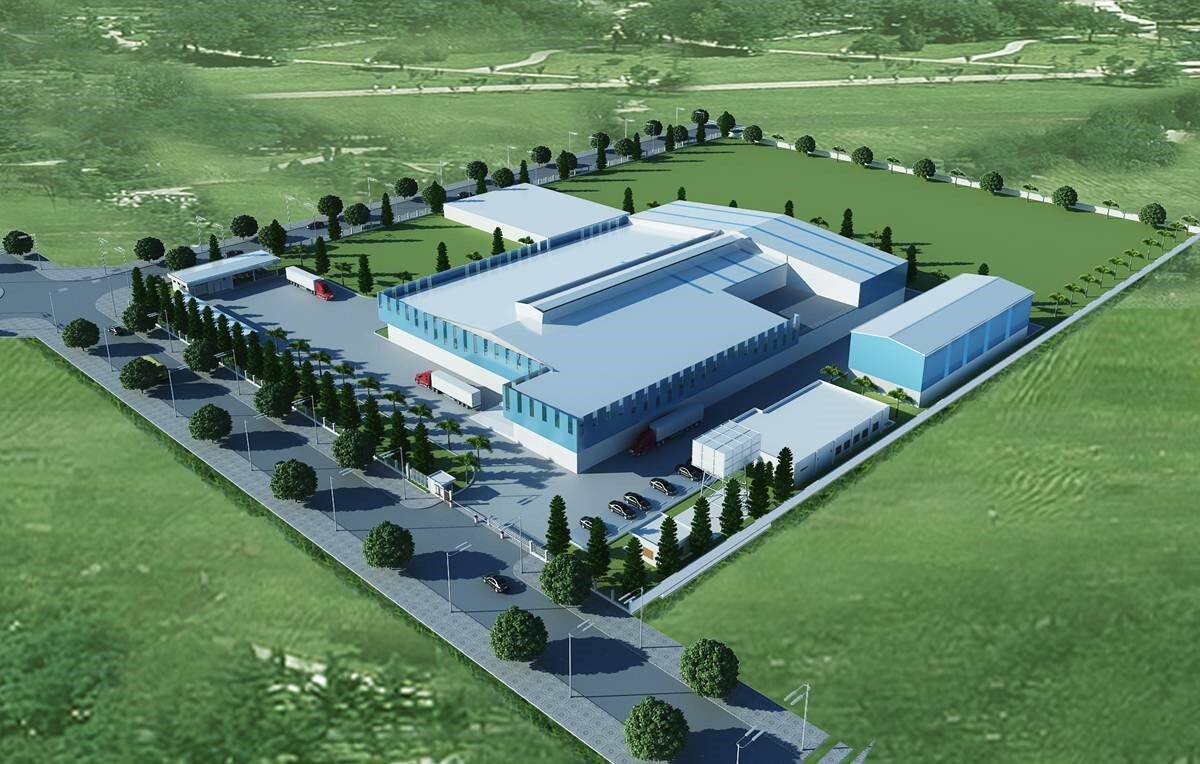
Là doanh nghiệp sản xuất đồ chơi trẻ em, thú nhồi bông và các sản phẩm liên quan, với nhà máy tại KCN Du Long. Đây là một cơ sở sản xuất công nghiệp tương đối lớn, có hệ thống nhà xưởng và dây chuyền sản xuất riêng






Thẻ: The Integral Contribution of Panel Manufacturers to Industrial Progress

The Integral Contribution of Panel Manufacturers to Industrial Progress
The Integral Contribution of Panel Manufacturers to Industrial Progress
In today’s industrialized world, the contribution of panel manufacturers plays an indispensable role in ensuring the smooth operation of electrical systems across many sectors. Whether it’s in energy management, automation, manufacturing, or infrastructure development, panel manufacturers are at the core of designing, building, and maintaining electrical control panels that facilitate power distribution and system control. Without their specialized expertise, industries would struggle to meet the increasing demands for efficiency, safety, and reliability in electrical management.

1. Understanding the Role of Panel Manufacturers
Panel manufacturers are experts in producing custom-designed electrical control panels tailored to specific industrial needs. These panels serve as the nerve centers for controlling electrical power and overseeing automated systems in everything from small commercial operations to large industrial plants. The job of a panel manufacturer involves more than just assembling components—it requires a deep understanding of the specific requirements of each project and how to integrate various elements into a cohesive system.
2. The Manufacturing Process: From Concept to Creation
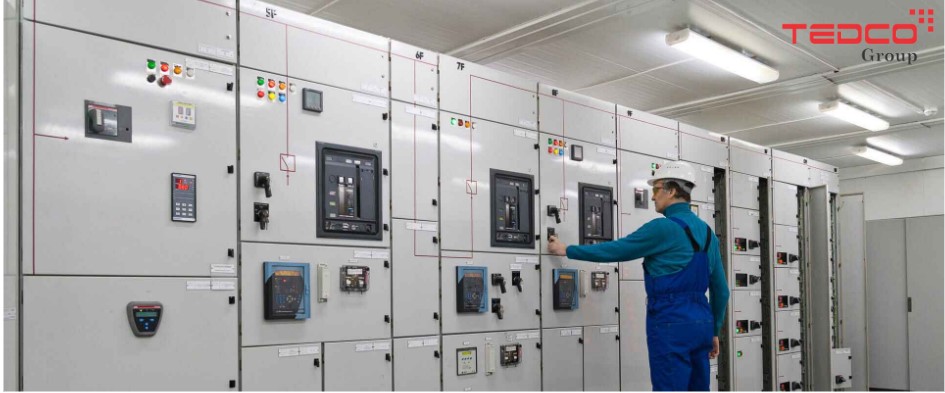
The creation of electrical control panels is a detailed and multi-stage process that involves designing, building, and testing to ensure that the final product meets the highest standards of safety and efficiency. Below is an overview of the core stages involved in the process:
- Designing the Panel: The first step for a panel manufacturer is to work closely with engineers and clients to develop a blueprint for the control panel. This design stage is crucial because it sets the foundation for how the panel will function in the final system. It involves selecting the right components, determining the size of the panel, and ensuring compliance with safety regulations and industry standards.
- Component Selection and Assembly: Once the design is finalized, manufacturers source high-quality components, such as relays, circuit breakers, and switches, to ensure the panel’s durability and reliability. The components are then assembled in a precise configuration that allows for optimal functionality.
- Testing and Quality Assurance: Before the panel is installed in its final location, rigorous testing is conducted to ensure all components work correctly and that the system is safe to use. This stage is critical to prevent any electrical malfunctions or system failures once the panel is operational.
- Installation and Maintenance: After assembly and testing, the panel is installed in the required location. Post-installation, panel manufacturers often provide ongoing maintenance services to ensure the panel continues to operate efficiently, making adjustments or repairs as needed to prevent downtime.
3. Customization and Its Importance
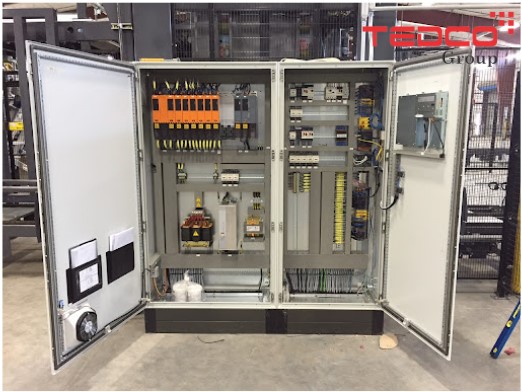
One of the key strengths of panel manufacturers lies in their ability to customize solutions to fit specific client requirements. No two industries have the same power and automation needs, and as such, panel manufacturers must design and build panels that address the unique challenges of each environment. Whether it’s controlling a complex production line in a factory or managing renewable energy systems in a power plant, the need for custom-designed control panels cannot be overstated.
Customization also extends to the integration of advanced technology. Today’s control panels are more than simple power distribution systems—they are often equipped with automation software, IoT sensors, and real-time monitoring systems that provide valuable data on performance, energy usage, and system health. This data can be used to improve efficiency, predict maintenance needs, and even reduce energy consumption, making the role of the panel manufacturer critical to the development of smart, sustainable systems.
4. Panel Manufacturers and Sustainable Solutions
As industries worldwide increasingly prioritize sustainability, panel manufacturers are at the forefront of integrating eco-friendly practices into their systems. Modern control panels are designed to support renewable energy sources such as solar and wind power, allowing for more efficient energy management and reducing the reliance on non-renewable resources.
Panel manufacturers are developing systems that optimize energy usage, including power storage solutions that make it easier to integrate renewable energy into traditional power grids. These panels are designed to minimize energy loss and improve the efficiency of power distribution, contributing to the overall reduction of carbon footprints in industrial operations.
5. The Challenges Facing Panel Manufacturers
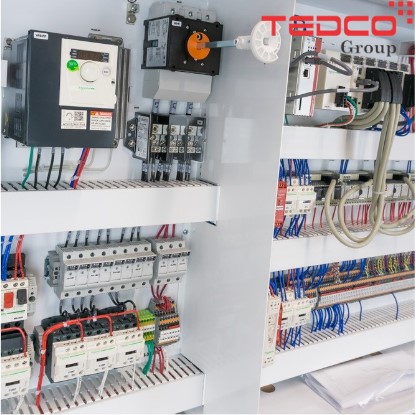
Despite their essential role, panel manufacturers face several challenges as industries evolve and technological advancements continue. One of the primary challenges is keeping up with the rapid pace of innovation. As industrial processes become more automated and dependent on digital solutions, panel manufacturers must continuously adapt and integrate new technologies into their systems.
- Technological Integration: Modern industrial systems rely heavily on automation, data analytics, and the Internet of Things (IoT). Panel manufacturers must ensure that their products can seamlessly integrate these technologies, providing businesses with real-time insights into their operations and enabling more efficient power and resource management.
- Compliance with Regulations: Panel manufacturers must navigate an increasingly complex regulatory environment. Different industries and regions have varying standards when it comes to electrical safety, environmental regulations, and power distribution, making it essential for manufacturers to stay informed about the latest laws and requirements.
- Global Supply Chain Issues: Like many industries, panel manufacturers have been affected by disruptions in the global supply chain. Sourcing quality components in a timely manner can be challenging, particularly as demand increases. As a result, manufacturers must develop more resilient supply chains and be prepared to adjust production schedules to accommodate delays.
6. The Future of Panel Manufacturing
Looking ahead, panel manufacturers are set to play a significant role in shaping the future of energy management and automation. As industries move towards more sustainable practices and embrace smart technology, the demand for innovative control panels will only grow. Here are a few trends likely to define the future of panel manufacturing:
- Smart Panels: These are advanced control panels equipped with IoT sensors and automation systems that allow for real-time monitoring, predictive maintenance, and enhanced energy efficiency. Smart panels can detect potential problems before they occur, reducing downtime and improving the overall performance of industrial systems.
- Modular Panels: Flexibility is becoming increasingly important, especially in industries that require rapid scalability. Modular control panels are designed to be easily upgraded or reconfigured, allowing businesses to adapt to changing needs without completely overhauling their electrical systems.
- Sustainability and Green Energy Solutions: As more businesses seek to reduce their environmental impact, panel manufacturers will continue to innovate in the realm of green energy. Panels that can efficiently manage and store renewable energy will become crucial in the global transition to a more sustainable energy future.
7. Conclusion
In the modern industrial world, panel manufacturers are essential contributors to operational efficiency, safety, and sustainability. By designing and building customized control panels that meet the unique demands of various industries, they ensure that complex systems can operate smoothly and efficiently. As technology and sustainability drive change, panel manufacturers will remain at the forefront of innovation, shaping the future of energy management and industrial automation. Their work is not only crucial for today’s industries but also for the continued progress of global infrastructure.
For further information, please contact:
Hotline: 093 630 7187
Công ty Cổ Phần TEDCO Việt Nam
Office: 18 Đường số 2, Phường Linh Chiểu, Quận Thủ Đức, TPHCM
Factory: 276/4 Trần Hưng Đạo, Phường Đông Hoà, Thị Xã Dĩ An, Tỉnh Bình Dương.
CN Hà Nội: Số 2.11 khu Vườn Đào X2, Uy Nỗ, Đông Anh, Hà Nội
Web: tedco.com.vn | nhathaudien.vn | mangcap.vn
Email: tedcogroup@gmail.com | info@tedco.com.vn
Written by: Phạm Đăng Khoa
Tìm Kiếm
Bài viết mới
- TEDCO tham gia Tuần giáo dục định hướng tân sinh viên khóa 2026 tại Cao đẳng Công nghệ Thủ Đức
- THERMAL SCAN HỆ THỐNG ĐIỆN – QUÉT ẢNH NHIỆT HỒNG NGOẠI PHÁT HIỆN ĐIỂM NÓNG
- BÁO GIÁ DỊCH VỤ BẢO TRÌ HỆ THỐNG ĐIỆN MẶT TRỜI TRỌN GÓI MỚI NHẤT
- Tiêu Chuẩn Kỹ Thuật Đánh Giá Hiệu Quả Hệ Thống Điện Mặt Trời Sau Bảo Trì
- Tự Vệ Sinh Pin Hay Thuê Dịch Vụ O&M Điện Mặt Trời Chuyên Nghiệp?
Chuyên mục
Tedco - Top 10 Nhà Thầu Cơ Điện, Xây Dựng Hàng Đầu Việt Nam!