Công ty TNHH Innoflow NT
Tedco cung cấp và lắp đặt tủ báo cháy Horing cho Công ty TNHH Innoflow NT
Hạng Mục: Cung cấp lắp đặt tủ điện
Vị Trí: Lô đất KT-BB, KCN Du Long, Xã Thuận Bắc, Tỉnh Khánh Hòa
Lĩnh vực: Đồ chơi, thú nhồi bông, phụ kiện trẻ em
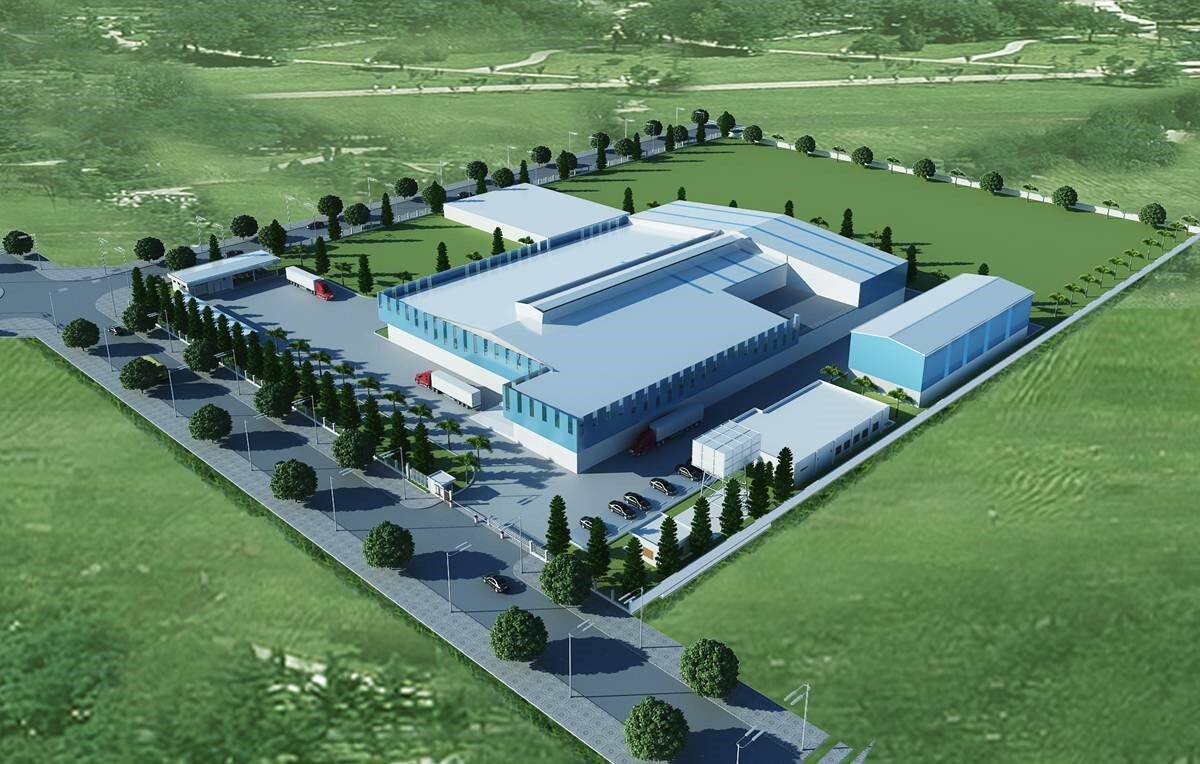
Là doanh nghiệp sản xuất đồ chơi trẻ em, thú nhồi bông và các sản phẩm liên quan, với nhà máy tại KCN Du Long. Đây là một cơ sở sản xuất công nghiệp tương đối lớn, có hệ thống nhà xưởng và dây chuyền sản xuất riêng







The Critical Role of Panel Manufacturers in Modern Technology
The Critical Role of Panel Manufacturers in Modern Technology
In today’s fast-paced industrial and technological world, panel manufacturers play a vital role in ensuring the smooth operation of electrical systems across a wide range of industries. From automation in factories to energy distribution in power plants, the work of panel manufacturers provides the essential backbone for controlling and managing complex electrical processes. Their products ensure safety, efficiency, and reliability, making them indispensable to the functioning of modern infrastructure.

1. Who Are Panel Manufacturers?
Panel manufacturers specialize in the design and production of electrical control panels that manage power distribution, control machinery, and oversee automated systems. These panels are the nerve centers of industrial operations, enabling businesses to operate machinery, control production lines, and manage power systems safely and efficiently. Whether it’s a small-scale operation or a massive industrial complex, the role of a panel manufacturer is to deliver a custom-built solution that meets the specific needs of each project.
2. The Manufacturing Process: From Design to Implementation

Creating an electrical panel involves a multi-step process, starting with design and ending with installation and testing. Panel manufacturers work closely with engineers and clients to design panels that meet the unique requirements of each system.
- Design and Specification: A panel manufacturer begins by analyzing the electrical requirements of the project. This involves determining the size of the panel, the type of control systems required, and ensuring that the design adheres to safety regulations.
- Component Sourcing: Once the design is finalized, manufacturers source high-quality components such as circuit breakers, relays, switches, and wiring to ensure the panel operates reliably and efficiently.
- Assembly: Skilled technicians then assemble the panels according to the design specifications, ensuring that all parts are correctly installed and functioning together as a cohesive system.
- Testing and Quality Control: Before installation, the panel undergoes rigorous testing to ensure it meets safety standards and operates as expected. This step is crucial in preventing future system failures and ensuring the long-term reliability of the panel.
3. The Importance of Customization
One of the most critical aspects of a panel manufacturer’s job is the ability to customize solutions. Every industrial operation has unique power and control needs, and a standard panel often won’t suffice. Whether it’s controlling complex machinery on an assembly line or managing renewable energy inputs, customization is key to ensuring that the system operates seamlessly. Custom panels allow manufacturers to provide highly specific configurations, helping businesses meet their operational and regulatory needs effectively.
4. The Role of Panel Manufacturers in Energy Efficiency
In today’s environmentally conscious world, energy efficiency is more critical than ever. Panel manufacturers are at the forefront of designing systems that not only optimize energy usage but also support sustainability initiatives. By incorporating advanced technologies, such as automated energy management systems, smart meters, and renewable energy controls, panel manufacturers help businesses reduce their energy consumption and carbon footprint.
For example, panels designed to manage solar or wind power inputs require sophisticated systems to ensure that the energy is harnessed efficiently and integrated into the grid. Manufacturers are developing panels that enable energy storage, conversion, and distribution with minimal losses, ensuring that businesses can maximize their use of renewable energy.
5. The Challenges and Opportunities Facing Panel Manufacturers

While panel manufacturers are indispensable to industrial growth, they face several challenges. One of the biggest is keeping up with the rapid advancements in technology. With the rise of automation, smart factories, and renewable energy solutions, manufacturers must constantly innovate to meet the growing demands of the industry.
- Technology Integration: As systems become more interconnected and intelligent, panel manufacturers need to incorporate cutting-edge technologies like IoT (Internet of Things) sensors, real-time monitoring, and automation controls. These innovations help businesses monitor their systems remotely and improve overall efficiency.
- Regulatory Compliance: Another challenge is navigating the complex landscape of safety and regulatory standards, which vary by region and industry. Panel manufacturers must ensure that their designs not only function effectively but also comply with strict industry regulations to avoid costly fines and project delays.
Despite these challenges, there are immense opportunities for growth in the panel manufacturing industry. As industries continue to embrace automation, sustainability, and digitalization, the demand for highly customized, efficient, and smart control panels is on the rise. Panel manufacturers who can adapt to these changing trends and offer innovative solutions are well-positioned to thrive.
6. The Future of Panel Manufacturing
The future of panel manufacturing is closely tied to technological advancements and the push for sustainability. As industries shift towards more automated and energy-efficient systems, panel manufacturers will need to innovate continually. Some of the trends shaping the future of the industry include:
- Smart Panels: These panels are designed to integrate with IoT systems, allowing businesses to monitor and control their electrical systems remotely. Smart panels can provide real-time data on energy usage, system performance, and potential faults, enabling proactive maintenance and reducing downtime.
- Sustainable Solutions: With the global push towards renewable energy, manufacturers are focusing on creating panels that optimize the use of renewable resources like solar and wind. These panels must handle the unique challenges of integrating renewable energy into existing grids and managing energy storage systems efficiently.
- Modular Designs: As industries require more flexibility, modular panel designs are becoming increasingly popular. These designs allow businesses to expand or modify their electrical systems without the need for a complete overhaul, making it easier to adapt to changing operational needs.
7. Conclusion
Panel manufacturers are the unsung heroes of modern industries, providing the essential infrastructure for managing complex electrical systems. Their work ensures that businesses operate efficiently, safely, and sustainably, whether it’s through managing power distribution, controlling automation systems, or integrating renewable energy. As industries continue to evolve and embrace new technologies, the role of panel manufacturers will only become more critical, driving innovation and shaping the future of energy management and industrial control.
Công ty Cổ Phần TEDCO Việt Nam
Office: 18 Đường số 2, Phường Linh Chiểu, Quận Thủ Đức, TPHCM
Factory: 276/4 Trần Hưng Đạo, Phường Đông Hoà, Thị Xã Dĩ An, Tỉnh Bình Dương.
CN Hà Nội: Số 2.11 khu Vườn Đào X2, Uy Nỗ, Đông Anh, Hà Nội
Web: tedco.com.vn | nhathaudien.vn | mangcap.vn
Email: tedcogroup@gmail.com | info@tedco.com.vn
Written by: Phạm Đăng Khoa