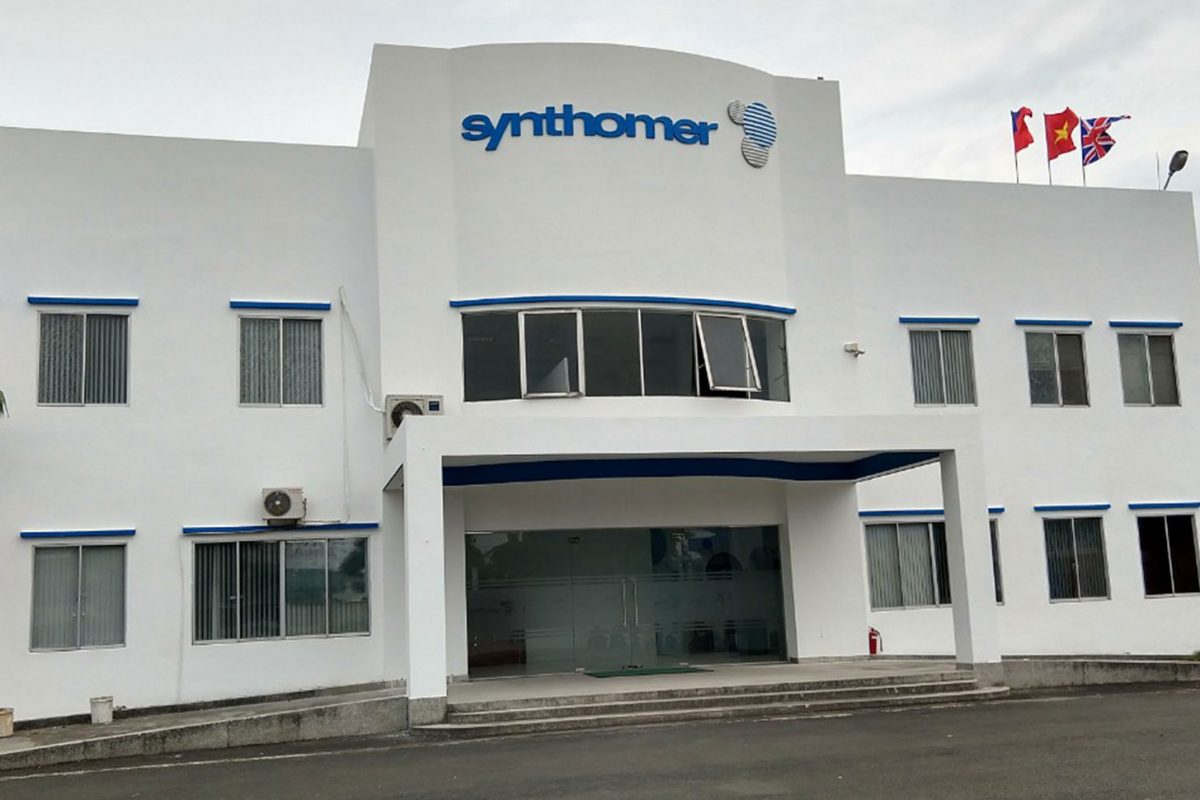
Công ty TNHH Innoflow NT
Tedco cung cấp và lắp đặt tủ báo cháy Horing cho Công ty TNHH Innoflow NT
Hạng Mục: Cung cấp lắp đặt tủ điện
Vị Trí: Lô đất KT-BB, KCN Du Long, Xã Thuận Bắc, Tỉnh Khánh Hòa
Lĩnh vực: Đồ chơi, thú nhồi bông, phụ kiện trẻ em
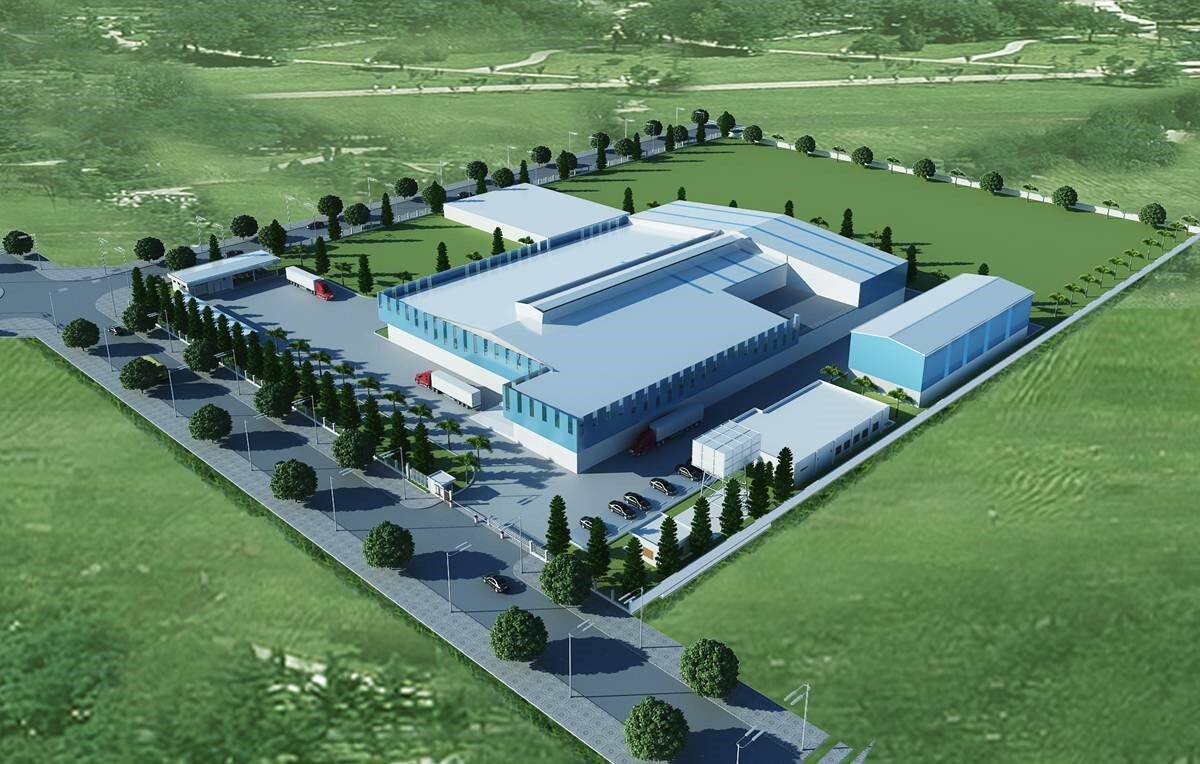
Là doanh nghiệp sản xuất đồ chơi trẻ em, thú nhồi bông và các sản phẩm liên quan, với nhà máy tại KCN Du Long. Đây là một cơ sở sản xuất công nghiệp tương đối lớn, có hệ thống nhà xưởng và dây chuyền sản xuất riêng






The Role of Mechanical and Electrical Contractors in Modern Construction
The Role of Mechanical and Electrical Contractors in Modern Construction
In the rapidly evolving world of construction, the role of Mechanical and Electrical Contractors in Modern Construction is pivotal in the success of any project, whether it is residential, commercial or otherwise. or industrial. These professionals are responsible for designing, installing and maintaining essential systems that provide comfort, safety and efficiency in buildings. Their work spans a wide range of disciplines, from HVAC (heating, ventilation and air conditioning) systems to electrical wiring, lighting and fire protection. Without the expertise of M&E contractors, modern buildings will lack the necessary infrastructure to meet today’s high standards of functionality, sustainability and energy efficiency.
1. What are The Role of Mechanical and Electrical Contractors?

Mechanical contractors specialize in systems that deal with movement, such as air, water, and heat. This primarily includes HVAC systems, plumbing, and fire suppression systems. Their focus is on creating comfortable and safe environments in which temperature, humidity, and ventilation are controlled. These systems are essential for maintaining indoor air quality and for energy-efficient operations in homes, offices, factories, and public buildings.
Electrical contractors, on the other hand, handle all aspects of electrical systems, from power distribution and lighting to data cabling and building automation. They ensure that power is delivered safely and reliably throughout a structure and that all electronic and digital systems function smoothly. With the rise of smart buildings, electrical contractors also play a key role in integrating advanced technologies like automated lighting controls, security systems, and energy management systems.
Together, the role of mechanical and electrical contractors ensure that buildings meet strict regulations, operate efficiently, and provide optimal comfort for their users. They are integral to both the construction and long-term maintenance of the infrastructure.
2. The Role of Mechanical and Electrical Contractors in Construction

M&E contractors contribute at every stage of a construction project, from initial design to installation and long-term maintenance. Their role typically begins in the planning and design phase, where they collaborate with architects and engineers to develop systems that are both functional and compliant with local regulations and standards. During this stage, they focus on creating solutions that are not only effective but also energy-efficient and sustainable. The design of mechanical and electrical systems can significantly impact the overall cost of operating a building, as well as its environmental footprint.
Once the design is finalized, M&E contractors are responsible for the installation of all relevant systems. This is one of the most critical phases, as it involves integrating complex networks of equipment, pipes, and wiring within the building’s structure. Installation requires precise coordination to ensure that each system works harmoniously with the others. For example, an HVAC system must not only function efficiently on its own but also complement the building’s electrical system to avoid energy waste.
After installation, M&E contractors play a vital role in testing and commissioning the systems to ensure they meet performance and safety standards. This phase is essential for identifying any potential issues that could affect the building’s operations and rectifying them before the project is completed.
In the long term, M&E contractors are often involved in the maintenance and upgrading of systems. As buildings age, their mechanical and electrical systems require regular inspections, repairs, and sometimes upgrades to ensure they remain energy-efficient and comply with evolving regulations. With the increased focus on sustainability and energy efficiency, many building owners rely on M&E contractors to upgrade their systems to incorporate renewable energy sources or more efficient technologies.
3. The Importance of M&E Contractors in Sustainable Construction
Sustainability has become a top priority in modern construction, and M&E contractors are at the forefront of this movement. By implementing cutting-edge technologies and practices, they help reduce the energy consumption and carbon footprint of buildings.
For example, mechanical contractors can install energy-efficient HVAC systems that use advanced controls to optimize temperature and ventilation based on occupancy patterns. These systems not only reduce energy consumption but also improve indoor air quality, creating healthier environments for occupants.
Similarly, electrical contractors contribute to sustainability by incorporating renewable energy sources like solar panels or wind turbines into buildings. They can also install smart energy management systems that monitor and adjust energy use in real time, reducing waste and cutting costs. With buildings accounting for a significant portion of global energy consumption, the work of M&E contractors is critical in achieving sustainability goals.
Moreover, the integration of green technologies—such as LED lighting, motion sensors, and energy-efficient electrical appliances—ensures that the building operates with minimal environmental impact. Electrical contractors are also vital in ensuring that power is distributed efficiently and safely, which is essential for minimizing energy loss and enhancing overall system performance.
4. The Challenges Faced by M&E Contractors
Despite their importance, mechanical and electrical contractors face several challenges. One of the main issues is the increasing complexity of building systems. As technology advances and regulations become more stringent, M&E contractors must continuously update their skills and knowledge to stay relevant. Buildings today are equipped with sophisticated automation systems, integrated renewable energy sources, and highly sensitive electronic equipment, requiring contractors to have a broad understanding of both traditional and modern technologies.
Another challenge is the tight deadlines and budgets that often characterize construction projects. M&E contractors must work efficiently without compromising the quality of their installations. Coordination with other trades is also crucial, as delays in one part of the project can have a cascading effect on other tasks. Effective project management and communication are essential to ensure that all systems are installed on time and within budget.
Furthermore, the need for sustainability and energy efficiency introduces additional pressure to design and install systems that meet stringent environmental standards. This requires innovative thinking and the ability to adapt quickly to new technologies and approaches.
5. Conclusion
Mechanical and electrical contractors are the backbone of modern construction, providing the essential systems that make buildings livable, functional, and sustainable. Their expertise ensures that structures operate efficiently and safely, while also meeting the growing demand for energy efficiency and environmental responsibility. As construction continues to evolve, M&E contractors will play an increasingly important role in shaping the buildings of the future, incorporating new technologies and approaches to meet the challenges of sustainability and technological advancement. Their work not only supports the construction process but also contributes to the long-term success and sustainability of every building project.
Công ty Cổ Phần TEDCO Việt Nam
Office: 18 Đường số 2, Phường Linh Chiểu, Quận Thủ Đức, TPHCM
Factory: 276/4 Trần Hưng Đạo, Phường Đông Hoà, Thị Xã Dĩ An, Tỉnh Bình Dương.
CN Hà Nội: Số 2.11 khu Vườn Đào X2, Uy Nỗ, Đông Anh, Hà Nội
Web: tedco.com.vn | nhathaudien.vn | mangcap.vn
Email: tedcogroup@gmail.com | info@tedco.com.vn
Written by: Phạm Đăng Khoa