Công ty TNHH Innoflow NT
Tedco cung cấp và lắp đặt tủ báo cháy Horing cho Công ty TNHH Innoflow NT
Hạng Mục: Cung cấp lắp đặt tủ điện
Vị Trí: Lô đất KT-BB, KCN Du Long, Xã Thuận Bắc, Tỉnh Khánh Hòa
Lĩnh vực: Đồ chơi, thú nhồi bông, phụ kiện trẻ em
Là doanh nghiệp sản xuất đồ chơi trẻ em, thú nhồi bông và các sản phẩm liên quan, với nhà máy tại KCN Du Long. Đây là một cơ sở sản xuất công nghiệp tương đối lớn, có hệ thống nhà xưởng và dây chuyền sản xuất riêng
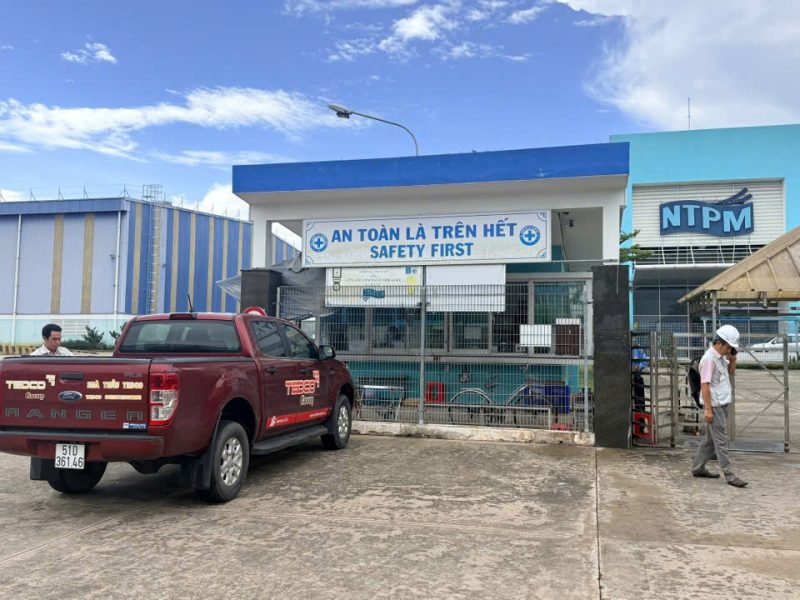
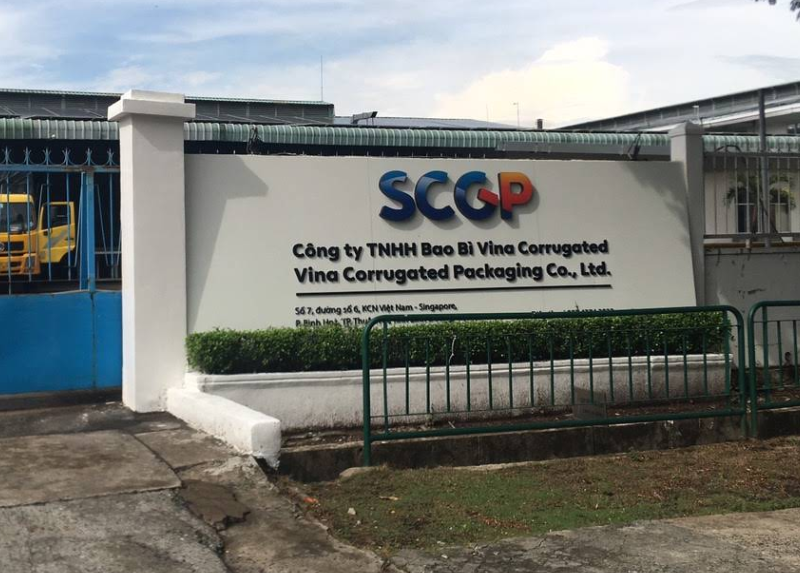


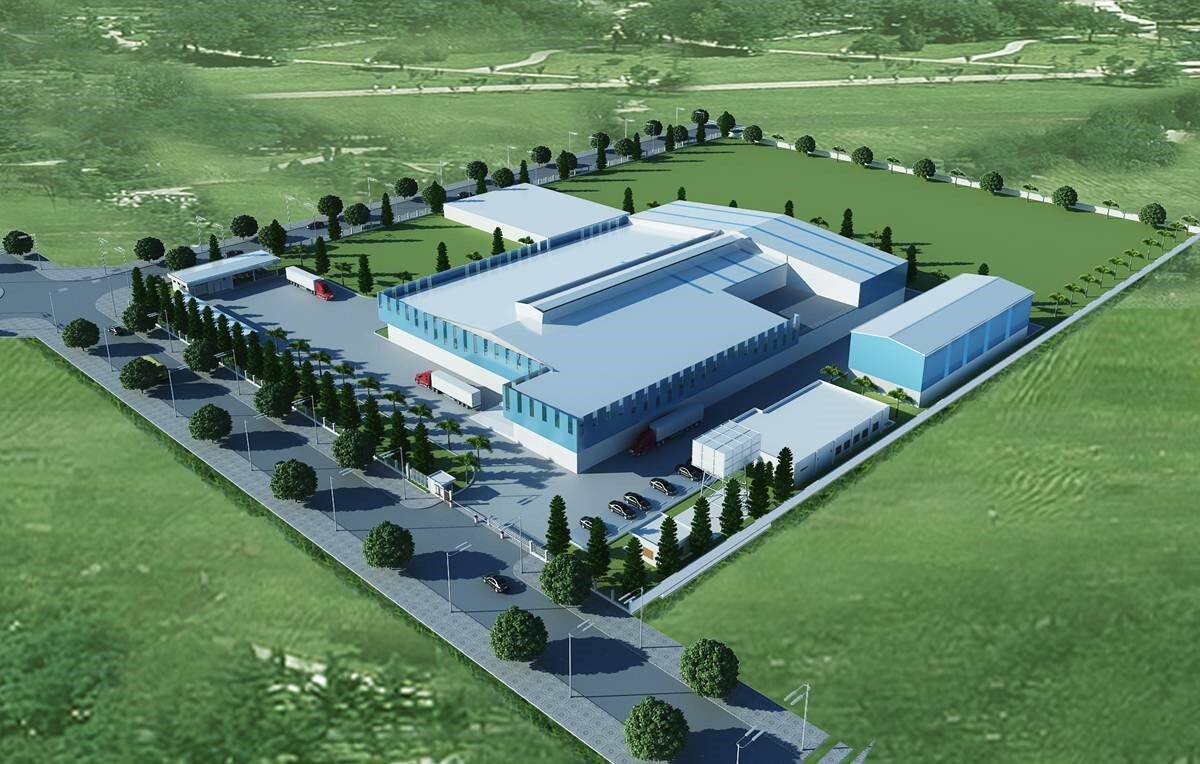


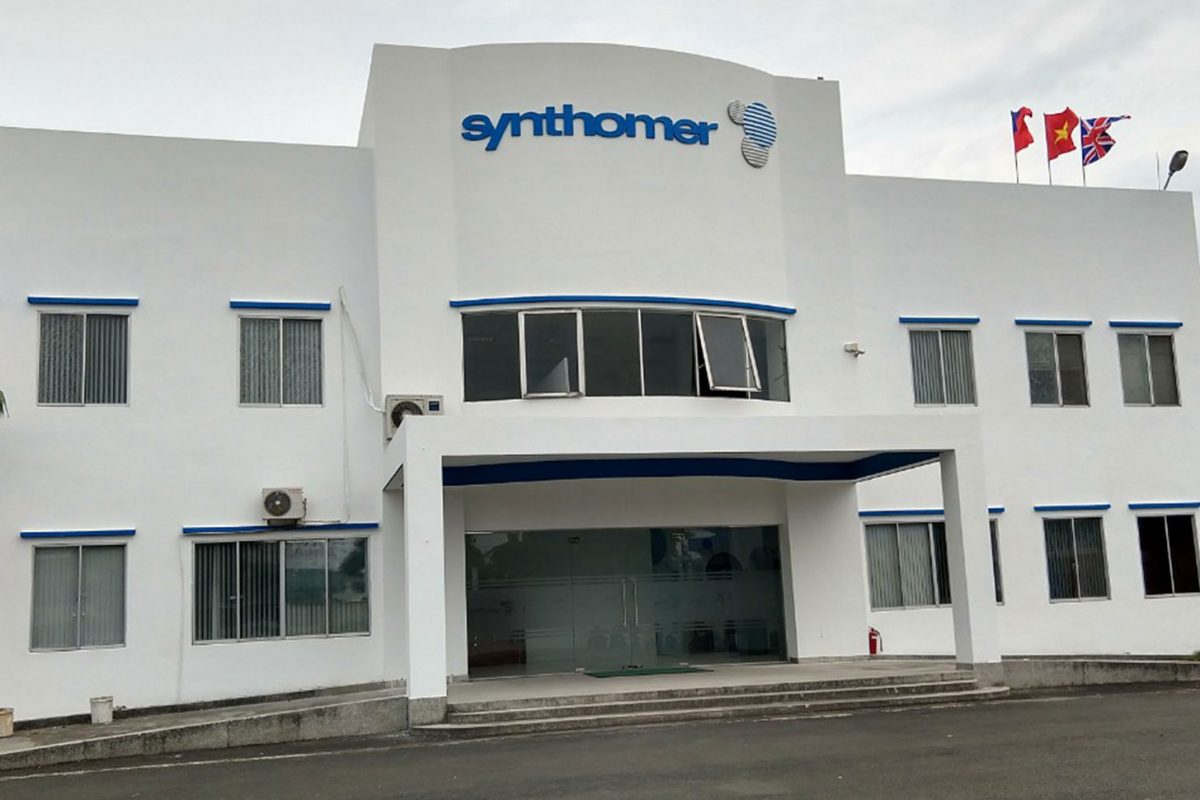


Commercial vs. Residential Services: How Electrician Companies Differ
Table of Contents
ToggleCommercial vs. Residential Services: How Electrician Companies Differ
Commercial vs. Residential Services: How Electrician Companies Differ is a popular question.
Electrician companies offer a wide range of services, but there are key differences between the work they perform in commercial and residential settings. Understanding these distinctions is essential for hiring the right electrician for your specific needs. While both sectors require high levels of expertise, how electrician companies differ in their approach, equipment, and service offerings can vary significantly. Here are the primary differences between commercial and residential electrical services.
1. Scope and Scale of Projects
One of the most noticeable differences between commercial and residential electrical services is the scope and scale of the projects. Commercial projects are typically larger and more complex than residential jobs. For instance, commercial buildings such as office complexes, retail stores, and factories often require extensive wiring, multiple circuits, and industrial-grade equipment to handle higher electrical demands.
On the other hand, residential services focus on smaller-scale projects, such as installing lighting, upgrading home wiring, or fixing electrical outlets. Electrician companies that specialize in residential services are more familiar with the requirements of single-family homes or apartments and are equipped to address issues like home safety inspections or electrical panel upgrades.
2. Electrical Systems and Requirements

How electrician companies differ also depends on the specific electrical systems they deal with. Commercial properties tend to have more complex systems that are designed to power large equipment, heavy machinery, and multiple electrical devices simultaneously. Commercial electricians must work with three-phase power systems, which are common in commercial settings, allowing for a higher voltage and the ability to support larger loads.
In contrast, residential electricians deal with single-phase power systems, which are sufficient for powering household appliances and standard electrical fixtures. They are also more likely to install home automation systems, energy-efficient lighting, and other home-related upgrades, which differ from the industrial or business-focused services in commercial environments.
3. Regulations and Safety Standards

Another important aspect of how electrician companies differ is the set of regulations and safety standards they must follow. Commercial electricians are required to comply with more stringent building codes and safety regulations due to the high-risk nature of commercial electrical systems. Commercial environments often involve more sophisticated fire safety and emergency systems, meaning electricians need specialized knowledge to ensure that the electrical system is compliant with local, state, and federal laws.
For residential electricians, safety is also critical, but the codes and standards are tailored to home environments. This includes ensuring the correct installation of outlets, wiring, and circuit breakers to prevent electrical fires and shocks. Residential electricians must also focus on protecting household residents, particularly when installing child-safe outlets, ground fault circuit interrupters (GFCIs), and other home safety devices.
4. Tools and Equipment
Electrician companies differ in the tools and equipment they use for commercial and residential services. Commercial electricians often require industrial-grade tools and heavy-duty equipment to handle large-scale installations, repairs, and maintenance work. These projects might involve working on high-rise buildings, data centers, or factories, which demand more robust electrical components and specialized tools.
In contrast, residential electricians typically use more standard electrical tools designed for smaller projects, such as installing light fixtures or rewiring home circuits. While the tools used by residential electricians are still essential for safety and quality, they are not as heavy-duty as those required in commercial work.
Conclusion
In summary, how electrician companies differ between commercial and residential services depends on the scope of the project, the complexity of the electrical systems, the regulatory requirements, and the tools used. Commercial electricians must handle larger, more complex systems, adhere to strict safety standards, and use industrial-grade equipment. Residential electricians, on the other hand, focus on home-related electrical needs, ensuring the safety and efficiency of smaller, less complex systems. Understanding these distinctions will help you choose the right electrician company for your specific project, whether it’s for a business or a home.
For further information, please contact:
Hotline: 093 630 7187
Công ty Cổ Phần TEDCO Việt Nam
Office: 18 Đường số 2, Phường Linh Chiểu, Quận Thủ Đức, TPHCM
Factory: 276/4 Trần Hưng Đạo, Phường Đông Hoà, Thị Xã Dĩ An, Tỉnh Bình Dương.
CN Hà Nội: Số 2.11 khu Vườn Đào X2, Uy Nỗ, Đông Anh, Hà Nội
Web: tedco.com.vn | nhathaudien.vn | mangcap.vn
Email: tedcogroup@gmail.com | info@tedco.com.vn
Written by: Phạm Đăng Khoa
- Categories:
- Kiến Thức,
- Tin Tức


TIN TỨC MỚI




Tedco - Top 10 Nhà Thầu Cơ Điện, Xây Dựng Hàng Đầu Việt Nam!