Công ty TNHH Innoflow NT
Tedco cung cấp và lắp đặt tủ báo cháy Horing cho Công ty TNHH Innoflow NT
Hạng Mục: Cung cấp lắp đặt tủ điện
Vị Trí: Lô đất KT-BB, KCN Du Long, Xã Thuận Bắc, Tỉnh Khánh Hòa
Lĩnh vực: Đồ chơi, thú nhồi bông, phụ kiện trẻ em
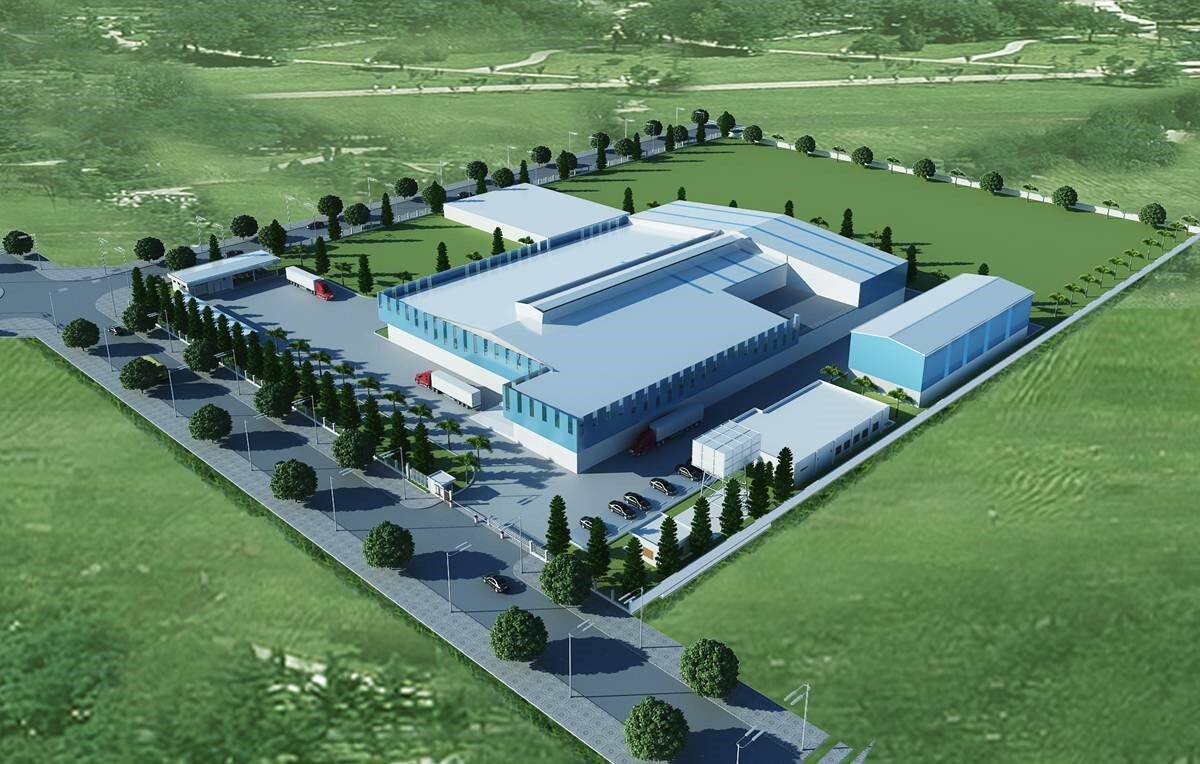
Là doanh nghiệp sản xuất đồ chơi trẻ em, thú nhồi bông và các sản phẩm liên quan, với nhà máy tại KCN Du Long. Đây là một cơ sở sản xuất công nghiệp tương đối lớn, có hệ thống nhà xưởng và dây chuyền sản xuất riêng








Electrical Contractors: The Backbone of Modern Infrastructure
Electrical Contractors: The Backbone of Modern Infrastructure
Electrical contractors play a vital role in modern society, ensuring that the infrastructure necessary for daily life functions properly. From residential homes to commercial buildings and industrial facilities, the services provided by electrical contractors are critical to maintaining the systems that power our world. In this article, we will explore the role of electrical contractors, the services they provide, the skills required in the field, and their importance in both construction and maintenance projects.

1. What Is an Electrical Contractor?
An electrical contractor is a business or individual that specializes in performing electrical construction work. This includes the design, installation, and maintenance of electrical systems. Electrical contractors work on a variety of projects, including wiring new buildings, upgrading outdated electrical systems, installing lighting, and ensuring electrical safety codes are met. The term “electrical contractor” is often used broadly to describe anyone involved in electrical work, but the role encompasses various specialized skills, depending on the project requirements.
Electrical contractors differ from electricians in that they typically handle larger-scale projects and employ teams of electricians. While electricians are responsible for hands-on electrical work, contractors often manage multiple projects and oversee the planning, budgeting, and workforce logistics necessary to complete the job.
2. Services Provided by Electrical Contractors
Electrical contractors offer a wide range of services, catering to different sectors such as residential, commercial, and industrial. These services include:
- Wiring and Rewiring: One of the primary tasks of electrical contractors is installing and maintaining wiring in buildings. This could involve new wiring for a construction project or rewiring for older structures to bring them up to modern standards. This service ensures that electricity is safely and efficiently delivered to all areas of the building.
- Lighting Installation: Electrical contractors are responsible for installing both indoor and outdoor lighting systems. Whether for homes, offices, or public spaces, proper lighting is essential not only for functionality but also for security and aesthetics. Contractors design lighting systems to suit the specific needs of the space, incorporating energy-efficient solutions when possible.
- Electrical Panel Upgrades: As technology evolves, the demand for electricity in homes and businesses increases. Electrical contractors often upgrade electrical panels to handle the increased load, ensuring that circuits do not become overloaded, which could lead to electrical fires or system failures.
- Electrical Safety Inspections: Ensuring that electrical systems comply with safety codes is a significant responsibility of electrical contractors. Regular inspections help prevent accidents and hazards such as electrical shocks, fires, or power outages. Contractors inspect wiring, circuit breakers, and overall electrical infrastructure to ensure safety and functionality.
- Renewable Energy Installation: With the growing emphasis on sustainability, many electrical contractors have expanded their services to include the installation of renewable energy systems like solar panels and wind turbines. These installations help reduce energy costs and minimize the environmental impact of electricity usage.
- Automation and Control Systems: In industrial settings, electrical contractors are responsible for installing and maintaining control systems that automate machinery and processes. This may include wiring for programmable logic controllers (PLCs), sensors, and other technologies that help increase efficiency and productivity.
- Maintenance and Repairs: Electrical systems require regular maintenance to ensure they operate efficiently and safely. Contractors offer repair services for damaged wiring, malfunctioning electrical panels, and other issues that arise over time.
3. Skills Required in the Field

Working as an electrical contractor demands a diverse set of skills. Technical expertise in electrical systems is, of course, essential, but there are many other abilities that contribute to a contractor’s success:
- Project Management: Electrical contractors often oversee complex projects that require planning, scheduling, budgeting, and coordination with other trades. Effective project management ensures that projects are completed on time and within budget.
- Problem-Solving: Electrical work can be unpredictable, and contractors need to think quickly to troubleshoot issues that arise on the job site. Whether it’s diagnosing a wiring problem or finding a more efficient way to complete a task, problem-solving skills are critical.
- Knowledge of Electrical Codes and Safety Standards: Electrical contractors must be thoroughly familiar with local, national, and international safety codes. Adhering to these standards is crucial for preventing accidents and ensuring compliance with legal regulations.
- Attention to Detail: Electrical systems are complex, and even a small mistake can have significant consequences. Contractors need to be meticulous in their work to avoid problems such as electrical shorts, fires, or power outages.
- Communication and Leadership: Electrical contractors often work with a team of electricians, engineers, and other construction professionals. Strong leadership and communication skills are essential for coordinating efforts and ensuring that everyone understands the project’s goals and timelines.
4. The Importance of Electrical Contractors in Construction and Maintenance
Electrical contractors are indispensable in the construction and maintenance of modern infrastructure. In construction, they play a crucial role in designing and installing electrical systems that are safe, efficient, and compliant with codes. They work alongside architects, engineers, and general contractors to ensure that electrical systems are integrated smoothly into the overall project.
In the maintenance sector, electrical contractors help keep existing systems running efficiently. Regular maintenance and timely repairs help avoid costly downtime for businesses, and they ensure that homes remain safe from electrical hazards. Whether it’s troubleshooting a problem or upgrading systems to meet increasing electrical demands, contractors are at the forefront of maintaining the electrical health of buildings and facilities.
Moreover, as the world shifts towards renewable energy and smart technology, electrical contractors are essential in adapting infrastructure to meet these new demands. Their work is not only important for individual projects but also for society’s broader goals of sustainability and energy efficiency.
5. Conclusion
Electrical contractors are the backbone of our modern infrastructure, ensuring that homes, businesses, and industrial facilities remain powered and safe. From the installation of basic wiring systems to the implementation of cutting-edge renewable energy solutions, the services they provide are vital to our daily lives. As the demand for electricity continues to grow, the role of electrical contractors will become even more critical in shaping a sustainable, energy-efficient future.
Công ty Cổ Phần TEDCO Việt Nam
Office: 18 Đường số 2, Phường Linh Chiểu, Quận Thủ Đức, TPHCM
Factory: 276/4 Trần Hưng Đạo, Phường Đông Hoà, Thị Xã Dĩ An, Tỉnh Bình Dương.
CN Hà Nội: Số 2.11 khu Vườn Đào X2, Uy Nỗ, Đông Anh, Hà Nội
Web: tedco.com.vn | nhathaudien.vn | mangcap.vn
Email: tedcogroup@gmail.com | info@tedco.com.vn
Written by: Phạm Đăng Khoa