Công ty TNHH Innoflow NT
Tedco cung cấp và lắp đặt tủ báo cháy Horing cho Công ty TNHH Innoflow NT
Hạng Mục: Cung cấp lắp đặt tủ điện
Vị Trí: Lô đất KT-BB, KCN Du Long, Xã Thuận Bắc, Tỉnh Khánh Hòa
Lĩnh vực: Đồ chơi, thú nhồi bông, phụ kiện trẻ em
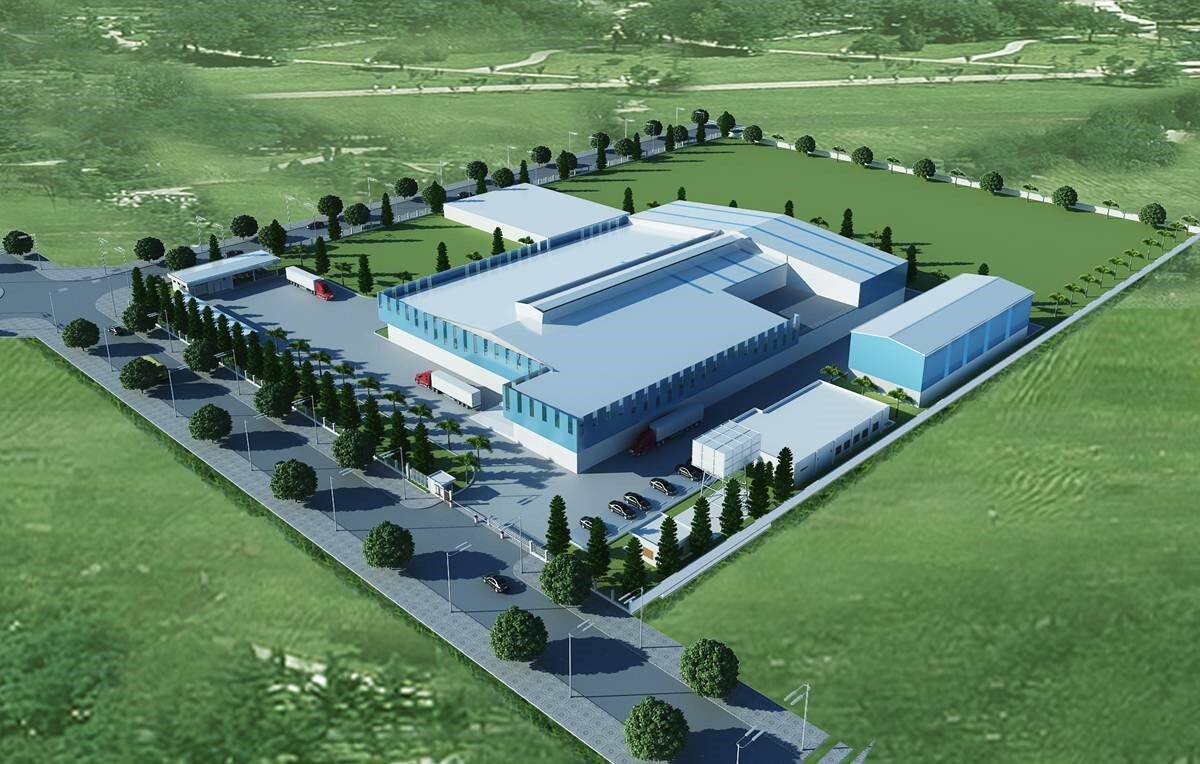
Là doanh nghiệp sản xuất đồ chơi trẻ em, thú nhồi bông và các sản phẩm liên quan, với nhà máy tại KCN Du Long. Đây là một cơ sở sản xuất công nghiệp tương đối lớn, có hệ thống nhà xưởng và dây chuyền sản xuất riêng






Understanding the Different Types of Electrical Service Panels
Understanding the Different Types of Electrical Service Panels
Understanding the Different Types of Electrical Service Panels is crucial for anyone looking to ensure the efficiency and safety of their electrical systems. Electrical service panels, commonly referred to as breaker boxes or fuse boxes, serve as the heart of a building’s electrical system, distributing power to various circuits throughout the property. These panels are responsible for regulating the electricity flow, protecting your home or business from overloads, and preventing electrical hazards. Whether you’re upgrading your system, building a new home, or simply maintaining your property, understanding the different types of electrical service panels can help you make informed decisions about your electrical needs.
1. Fuse Panels: An Older but Effective Solution

One of the Different Types of Electrical Service Panels you might encounter is the fuse panel. These panels were common in homes and businesses built before the 1960s. Fuse panels contain fuses that break the circuit by blowing out when there is an overload or short circuit. While they were once an effective solution, fuse panels are considered outdated and are no longer installed in modern homes. They have been largely replaced by breaker panels, which are more efficient and safer.
Despite their age, some older homes still use fuse panels. If your property has one, it’s important to recognize that fuse panels may struggle to handle the electrical demands of today’s homes, which typically use far more power than those built 50 or 60 years ago. In this case, upgrading to a modern electrical service panel is highly recommended to avoid safety risks like overheating or electrical fires.
2. Breaker Panels: The Standard for Modern Homes
Breaker panels are the most common type of electrical service panel in use today. These panels utilize circuit breakers instead of fuses, making them a safer and more convenient option. Circuit breakers automatically trip and cut off the electrical flow in the event of a circuit overload or short circuit. Once the issue is resolved, the breaker can simply be reset, unlike fuses which need to be replaced after they blow.
There are different sizes of breaker panels depending on the electrical load required for a property. For example, a 100-amp panel might be sufficient for a smaller home with basic electrical needs, while larger homes or commercial buildings may require a 200-amp or even 400-amp panel. The advantage of breaker panels is their ability to handle higher electrical loads and their ease of maintenance. Additionally, breaker panels allow for the addition of new circuits as electrical demands increase, offering flexibility and scalability for future needs.
3. Subpanels: Extending the Reach of Your Electrical System
Another type of panel included in the Different Types of Electrical Service Panels is the subpanel. Subpanels are smaller panels that are connected to the main breaker panel. They are often installed to extend the electrical system into specific areas of a property that need additional circuits, such as a garage, basement, or home addition. Subpanels help distribute power more efficiently and prevent overloading the main panel.
Subpanels are also a great solution for properties with detached buildings, such as workshops or guest houses, allowing these areas to have their own dedicated circuits without drawing too much power from the main panel. Installing a subpanel can simplify the management of electrical systems in large or multi-purpose properties, as it provides a localized control center for circuits in specific areas.
Conclusion
In conclusion, Understanding the Different Types of Electrical Service Panels is key to maintaining a safe, efficient, and flexible electrical system for your home or business. Whether you’re dealing with an older fuse panel, a modern breaker panel, or planning to install a subpanel, knowing the pros and cons of each type helps you make informed decisions about your electrical infrastructure. Fuse panels, though effective in their time, are now considered outdated and should be replaced in most cases. Breaker panels are the standard choice for modern homes due to their safety and convenience, while subpanels offer flexibility for properties with additional electrical needs. By working with a licensed electrician to assess your electrical service panel, you can ensure that your system is up to date and capable of meeting your electrical demands for years to come.
For further information, please contact:
Công ty Cổ Phần TEDCO Việt Nam
Office: 18 Đường số 2, Phường Linh Chiểu, Quận Thủ Đức, TPHCM
Factory: 276/4 Trần Hưng Đạo, Phường Đông Hoà, Thị Xã Dĩ An, Tỉnh Bình Dương.
CN Hà Nội: Số 2.11 khu Vườn Đào X2, Uy Nỗ, Đông Anh, Hà Nội
Web: tedco.com.vn | nhathaudien.vn | mangcap.vn
Email: tedcogroup@gmail.com | info@tedco.com.vn
Written by: Phạm Đăng Khoa