Công ty TNHH Innoflow NT
Tedco cung cấp và lắp đặt tủ báo cháy Horing cho Công ty TNHH Innoflow NT
Hạng Mục: Cung cấp lắp đặt tủ điện
Vị Trí: Lô đất KT-BB, KCN Du Long, Xã Thuận Bắc, Tỉnh Khánh Hòa
Lĩnh vực: Đồ chơi, thú nhồi bông, phụ kiện trẻ em
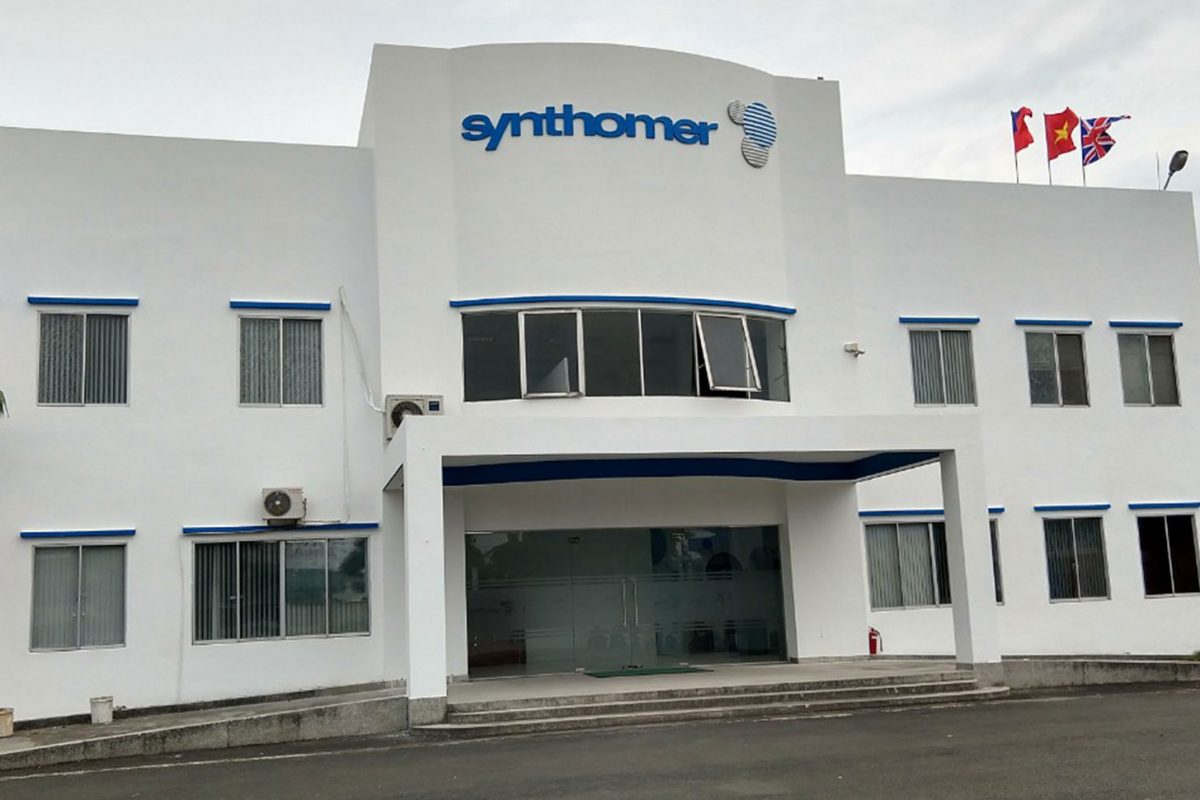
Là doanh nghiệp sản xuất đồ chơi trẻ em, thú nhồi bông và các sản phẩm liên quan, với nhà máy tại KCN Du Long. Đây là một cơ sở sản xuất công nghiệp tương đối lớn, có hệ thống nhà xưởng và dây chuyền sản xuất riêng






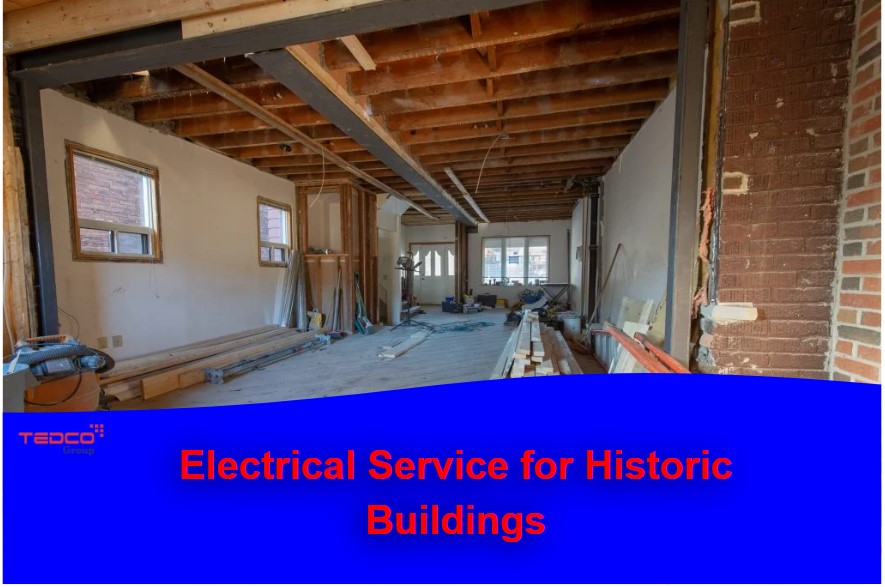
Electrical Service for Historic Buildings: Unique Challenges and Solutions
Table of Contents
ToggleElectrical Service for Historic Buildings: Unique Challenges and Solutions
Electrical Service for Historic Buildings poses unique challenges due to the age, structure, and preservation requirements of such properties. Unlike modern constructions, historic buildings often have outdated wiring systems that were not designed to handle today’s electrical demands. However, providing electrical service to these buildings is crucial to maintain safety, functionality, and compliance with modern standards, all while preserving their architectural integrity. In this article, we will explore the specific challenges of updating electrical systems in historic buildings and provide solutions that balance modernization with preservation.
1. Outdated Electrical Systems

One of the most common issues in Electrical Service for Historic Buildings is the presence of outdated electrical systems. Many historic properties were built long before the advent of modern appliances, which means their wiring is often inadequate to support current electrical loads. The original electrical infrastructure may consist of materials like knob-and-tube wiring or aluminum wires, both of which are now considered unsafe by today’s standards.
Upgrading these systems is not as simple as replacing wires or circuit breakers. In many cases, the walls, ceilings, and floors were constructed in ways that make accessing the wiring difficult without causing significant damage to the building’s original structure. This is particularly problematic for buildings that are protected under historical preservation laws, where any alterations must adhere to strict guidelines. To address this, electricians must carefully plan and execute upgrades in a way that maintains the building’s integrity while ensuring it can safely support modern electrical loads.
Solution:
The key to overcoming this challenge is working with specialized contractors who are experienced in retrofitting electrical systems in historic buildings. They can develop a strategic plan to replace old wiring with minimal disruption to the original architecture. Solutions may include running new wiring through existing conduits, using low-profile raceways, or finding creative ways to conceal new systems within the building’s framework.
2. Meeting Modern Electrical Codes and Standards
Another significant challenge in Electrical Service for Historic Buildings is bringing the electrical system up to modern codes and safety standards. Electrical codes have evolved over time to enhance safety, energy efficiency, and performance. Unfortunately, many historic buildings fail to meet these modern requirements due to their old wiring systems, lack of grounding, or insufficient circuit protection.
Moreover, local building codes may require certain upgrades when renovating a historic property. For example, you may be required to install new ground-fault circuit interrupter (GFCI) outlets, upgrade the service panel, or ensure that the building has adequate lighting and power distribution. These requirements can add complexity to the electrical service, particularly if the building’s preservation guidelines limit the extent of modifications.
Solution:
Before embarking on any electrical work in a historic building, it is crucial to conduct a thorough inspection and consult with local authorities to understand the specific codes and requirements. Licensed electricians who specialize in historic properties can help navigate these regulations and develop a plan that brings the building’s electrical system up to code while preserving its historical value. Additionally, working closely with preservation experts can ensure that any necessary upgrades meet both safety standards and historical guidelines.
3. Preserving Architectural Integrity
Preserving the architectural and historical integrity of the building is often the biggest concern when providing Electrical Service for Historic Buildings. Historic structures often feature unique design elements, such as intricate moldings, original plasterwork, or antique finishes, that can be easily damaged during electrical upgrades. At the same time, the building’s electrical system must be updated to ensure the safety of its occupants and the longevity of the structure.
The challenge here is finding ways to introduce modern electrical systems—such as lighting, power outlets, and HVAC controls—without compromising the building’s aesthetic appeal or causing irreparable damage to its original design. Historic buildings are often subject to strict preservation laws that limit the extent of changes that can be made, which means that the electrical work must be done with the utmost care and precision.
Solution:
One solution to preserving the architectural integrity of a historic building while upgrading its electrical system is to use minimally invasive techniques. This may include using wireless lighting controls, installing surface-mounted conduits that blend with the building’s design, or employing low-voltage systems that require smaller cables. Additionally, when upgrading the electrical system, it’s essential to document and preserve as much of the original infrastructure as possible, using archival methods to record the building’s history for future generations.
Conclusion
In conclusion, Electrical Service for Historic Buildings presents unique challenges due to the need for modern electrical upgrades while preserving the building’s historical and architectural significance. Outdated electrical systems, strict modern codes, and the preservation of delicate architectural features make this task complex, but not impossible. By employing experienced electricians who specialize in historic renovations, using minimally invasive techniques, and working closely with preservation authorities, these challenges can be overcome. Properly updating the electrical service in a historic building not only ensures the safety and functionality of the property but also helps preserve its legacy for future generations.
For further information, please contact:
Hotline: 093 630 7187
Công ty Cổ Phần TEDCO Việt Nam
Office: 18 Đường số 2, Phường Linh Chiểu, Quận Thủ Đức, TPHCM
Factory: 276/4 Trần Hưng Đạo, Phường Đông Hoà, Thị Xã Dĩ An, Tỉnh Bình Dương.
CN Hà Nội: Số 2.11 khu Vườn Đào X2, Uy Nỗ, Đông Anh, Hà Nội
Web: tedco.com.vn | nhathaudien.vn | mangcap.vn
Email: tedcogroup@gmail.com | info@tedco.com.vn
Written by: Phạm Đăng Khoa
- Categories:
- Kiến Thức,
- Tin Tức